Hair loss and breakage are common concerns that affect millions of people worldwide, and while factors like diet, stress, and genetics play major roles, the tools you use daily—especially your comb—can make a significant difference. Using the wrong comb can tug at fragile strands, irritate the scalp, and worsen shedding, while the right one can gently detangle, stimulate blood circulation, and protect your hair from further damage. In this guide, we’ll break down the best combs for hair loss and breakage, what to look for when shopping, and how to use them to promote stronger, healthier hair.
When it comes to preventing hair loss and breakage, the key is to choose a comb that minimizes friction, avoids static, and treats your scalp and strands with care. Not all combs are created equal, and the best option for you will depend on your hair type, texture, and specific concerns. Below are the top comb types that have proven effective for reducing shedding and breakage, along with their unique benefits.
1. Wide-Tooth Wooden Combs: The Gentle All-Rounder
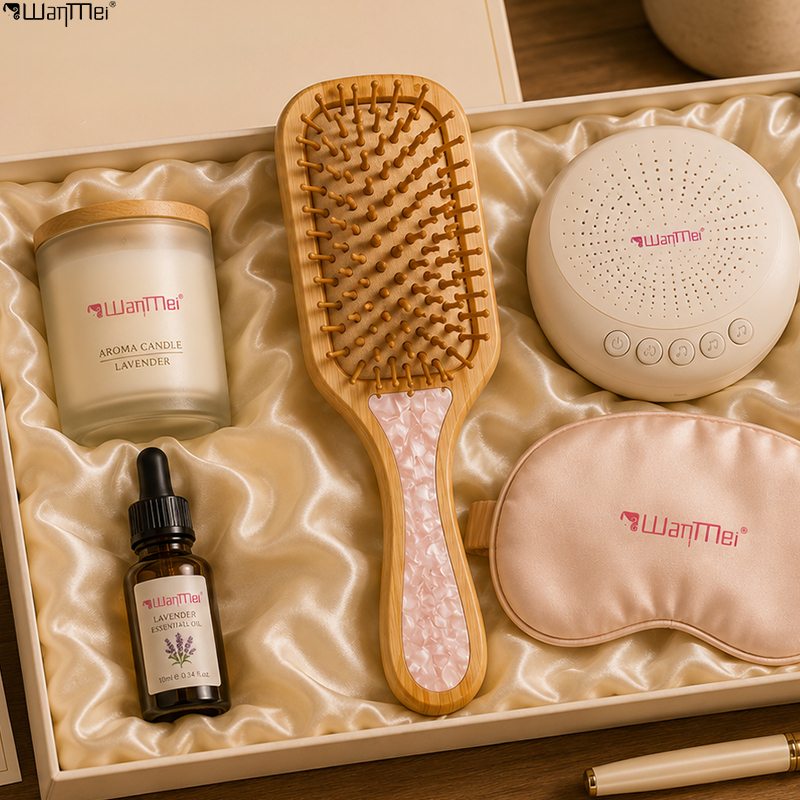
Wide-tooth wooden combs are a staple for anyone dealing with hair loss or breakage, and for good reason. Made from natural materials like sandalwood,桃木, or bamboo, these combs are gentle on both the scalp and hair. Unlike plastic combs, wooden combs do not generate static, which can cause frizz and breakage by pulling strands apart. The wide spacing between the teeth ensures that the comb glides through tangles without tugging, reducing mechanical damage that leads to split ends and shedding.
Look for wide-tooth wooden combs with rounded, smooth tips—sharp edges can scratch the scalp and damage hair cuticles. These combs are ideal for all hair types, but they are especially beneficial for long, curly, or thick hair that is prone to tangling. Using a wide-tooth wooden comb daily helps distribute your scalp’s natural oils evenly throughout the hair, nourishing strands and reducing dryness, which is a common cause of breakage.
2. Horn Combs: Nourishing and Protective
Horn combs, typically made from water buffalo horn, are another excellent choice for preventing hair loss and breakage. These combs contain natural keratin, a protein that is similar to the structure of human hair, which helps create a protective barrier on the hair shaft. This barrier reduces friction, prevents split ends, and keeps hair moisturized, making it less prone to breakage.
Horn combs are also known for their ability to stimulate scalp circulation, which promotes healthy hair growth by delivering more nutrients to the hair follicles. They have a smooth surface that glides through hair effortlessly, even when wet—when hair is most fragile. However, it’s important to care for horn combs properly: avoid exposing them to high heat or direct sunlight, as this can cause them to crack, and wipe them with a soft cloth after use to maintain their quality.
3. Cushioned Paddle Brushes: Gentle for Damaged Hair
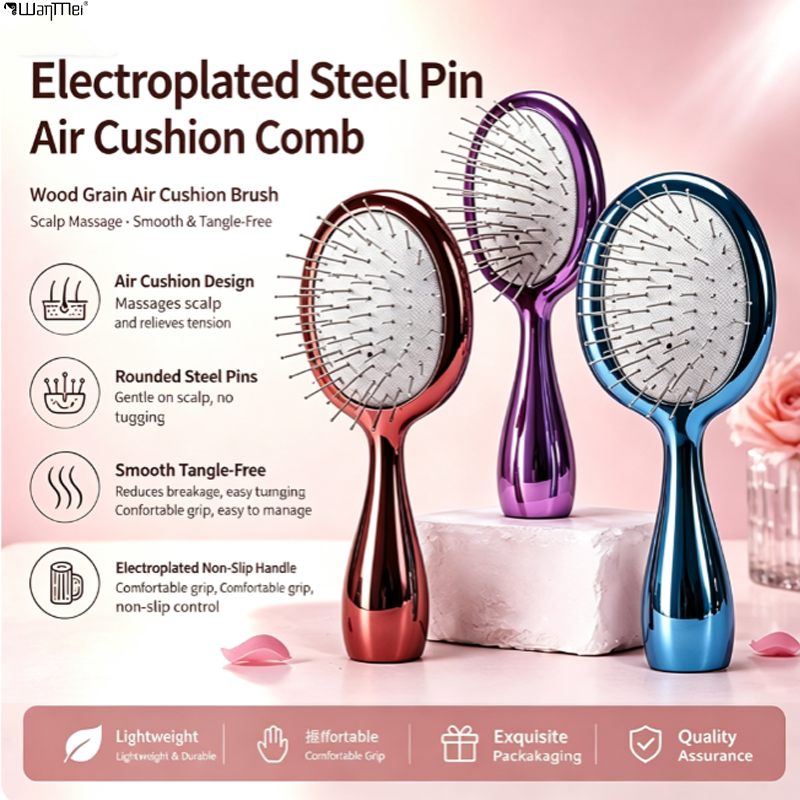
For those with thin, fine, or damaged hair, a cushioned paddle brush is a game-changer. These brushes feature a soft, flexible cushion base that absorbs pressure while brushing, reducing the amount of tugging on the scalp and hair. The bristles—often made from boar hair or soft nylon—are gentle and evenly spaced, making them perfect for detangling without causing breakage.
Boar bristle paddle brushes are particularly effective because they mimic the texture of human hair, allowing them to distribute natural scalp oils from the roots to the ends. This nourishes dry strands and adds shine, while the cushioning reduces stress on the hair follicles. Look for paddle brushes with rounded bristle tips to avoid scratching the scalp, and opt for a wide head to cover more surface area and reduce brushing time.
Key Factors to Consider When Choosing a Comb for Hair Loss
In addition to the type of comb, there are several important factors to keep in mind to ensure you’re choosing the best tool for your hair:
- Material: Avoid plastic combs, as they generate static and can cause friction damage. Opt for natural materials like wood, horn, or bamboo instead.
- Tooth/Bristle Design: Rounded tips are a must to prevent scalp irritation and hair cuticle damage. Wide spacing is ideal for reducing tugging, while softer bristles are better for thin or damaged hair.
- Hair Type: Curly or thick hair benefits from wide-tooth combs, while thin or fine hair may thrive with a cushioned paddle brush. Consider your hair’s unique needs when making a choice.
Using the right comb is just one step in preventing hair loss and breakage. Pair your comb with a gentle hair care routine—avoid over-washing, limit heat styling, and use nourishing hair oils or conditioners to keep strands strong. Remember, consistency is key: using your chosen comb daily, with a gentle brushing technique (starting from the ends and working your way up), will help protect your hair and promote healthier growth over time.
Investing in a high-quality comb may seem like a small step, but it can have a big impact on the health of your hair. By choosing a comb that is gentle, nourishing, and suited to your hair type, you can reduce shedding, prevent breakage, and enjoy stronger, more vibrant hair for years to come.