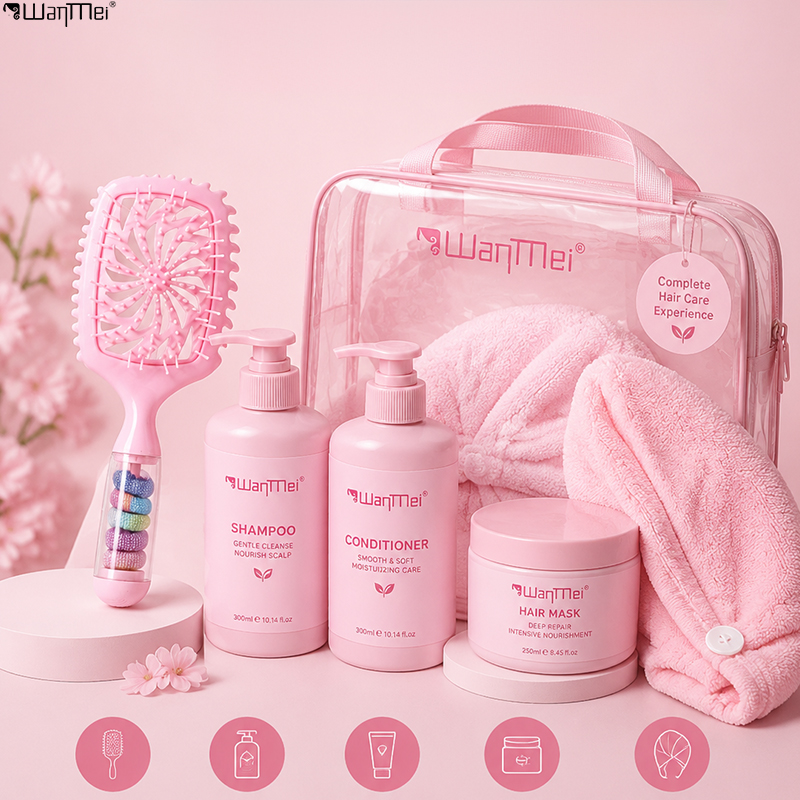
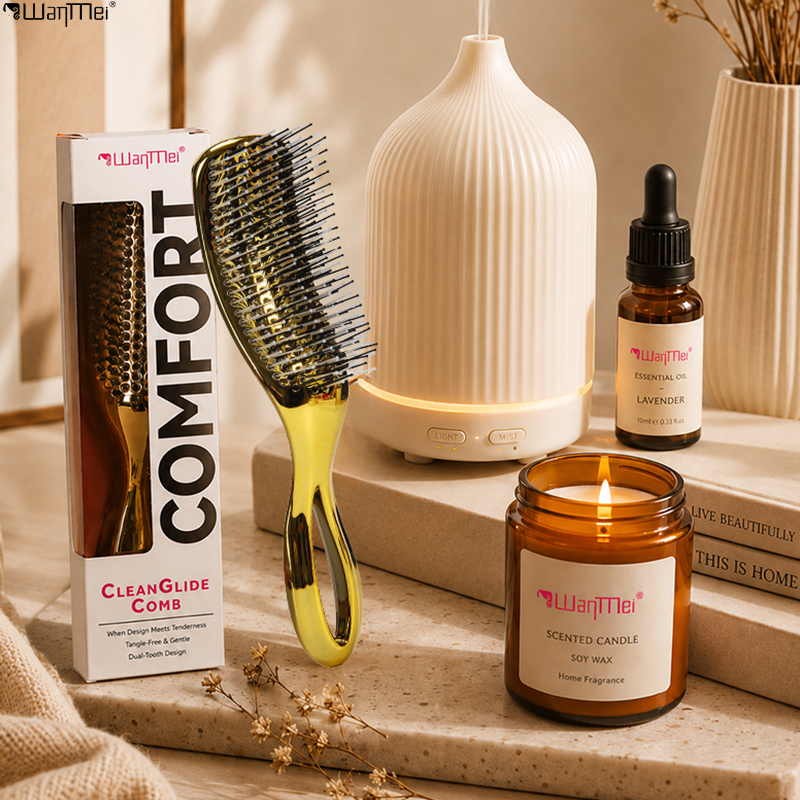
Most people pay close attention to shampoo, conditioner, and hair oil but completely ignore one critical daily tool: their comb. Yet the material of your comb directly impacts frizz, static, hair breakage, scalp health, and even long-term hair growth. The classic debate remains: wooden comb vs plastic comb, which is actually better for your hair? In this in-depth SEO guide, we compare both tools side by side, covering real performance, pros and cons, hair type suitability, and long-term value to help you make the right choice for your daily hair routine.
Static Control and Frizz Prevention
Static hair is one of the top causes of unruly, messy-looking hair, and your comb is usually the main culprit. Plastic combs are made from synthetic conductive materials. Every time you run a plastic comb through dry hair, friction builds up electric charges on each strand. The result is instant flyaways, stubborn frizz, and hair that refuses to stay styled, especially in dry weather, winter seasons, or air-conditioned rooms. Over time, constant static weakens hair cuticles and makes strands drier and rougher.
Wooden combs solve this problem completely. Natural wood materials such as sandalwood, bamboo, and neem wood are non-conductive. They do not create electric charge buildup while combing. With a wooden comb, hair stays smooth, flat, and naturally shiny all day long. If you struggle with frizz-prone hair, curly hair, or dry hair, a wooden comb is clearly the better choice for consistent static control.
Hair Breakage, Split Ends and Cuticle Protection
Healthy hair depends on smooth, closed cuticles. Unfortunately, most cheap plastic combs have sharp edges, rough molding lines, and rigid teeth. These flaws scratch, scrape, and tear the outer hair cuticle every single day. The damage adds up quickly, leading to split ends, brittle strands, excessive shedding, and slower hair growth. Plastic combs also tend to snag tangles harshly, forcing strands to stretch and snap, especially when combing wet hair.
High-quality wooden combs are carefully hand-polished with perfectly smooth, rounded teeth. They glide gently through knots without pulling, snagging, or damaging the hair surface. Wooden combs also evenly distribute natural scalp oils from the roots down to the ends of your hair. This natural conditioning effect seals cuticles, locks in moisture, reduces breakage, and improves overall hair texture. Anyone who wants stronger, longer hair should prioritize a wooden comb over plastic.
Scalp Comfort and Hygiene Benefits
A healthy scalp is the foundation of healthy hair growth. Plastic combs often irritate sensitive scalps with their sharp edges and unnatural texture. Static buildup can worsen itchiness, dryness, and scalp redness. Low-quality plastic may also harbor bacteria and trap chemical residue from hair products, which can clog pores and slow down follicle health over time.
Wooden combs are naturally hypoallergenic, soft, and scalp-friendly. The gentle massaging motion improves blood circulation across the scalp, feeding hair roots with more oxygen and nutrients. Certain types of wood, such as neem wood, even offer natural antibacterial properties that support scalp cleanliness and reduce dandruff issues. For sensitive scalps, wooden combs are far safer and more comfortable than plastic alternatives.
Durability, Eco-Friendliness and Long-Term Value
Plastic combs are cheap, but they are low-quality and disposable. They easily bend, crack, or break after a few weeks of regular use, especially on thick or curly hair. Constant replacements add hidden costs, and broken plastic combs create unnecessary plastic waste that harms the environment.
Wooden combs are durable, reusable, and fully biodegradable. With simple care, one wooden comb can last for many years. Although the upfront price is slightly higher, the long-term value is unmatched. Wooden combs are also sustainable, renewable, and zero-waste friendly, fitting perfectly into modern eco-conscious beauty lifestyles.
Final Verdict: Wooden Comb vs Plastic Comb
Plastic combs are only good for temporary, emergency, or occasional use. They damage hair, cause frizz, irritate scalps, and create waste. For everyday hair care, wooden combs are undoubtedly the better option. They reduce static, prevent breakage, protect your scalp, boost shine, support hair growth, and benefit the environment. Switching from a plastic comb to a wooden comb is one of the simplest, most affordable upgrades you can make for stronger, healthier, and smoother hair all year round.