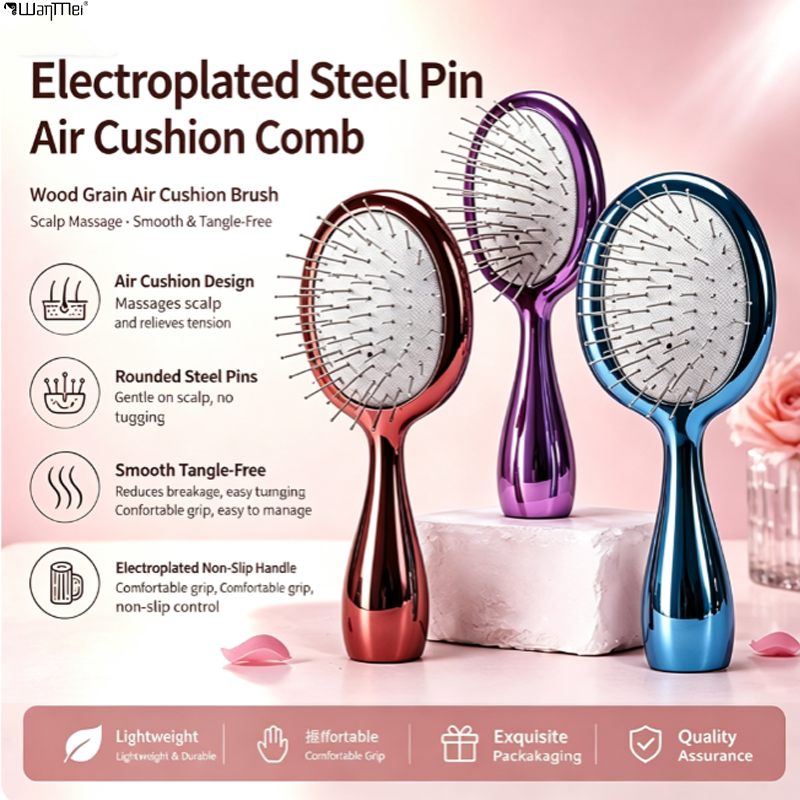
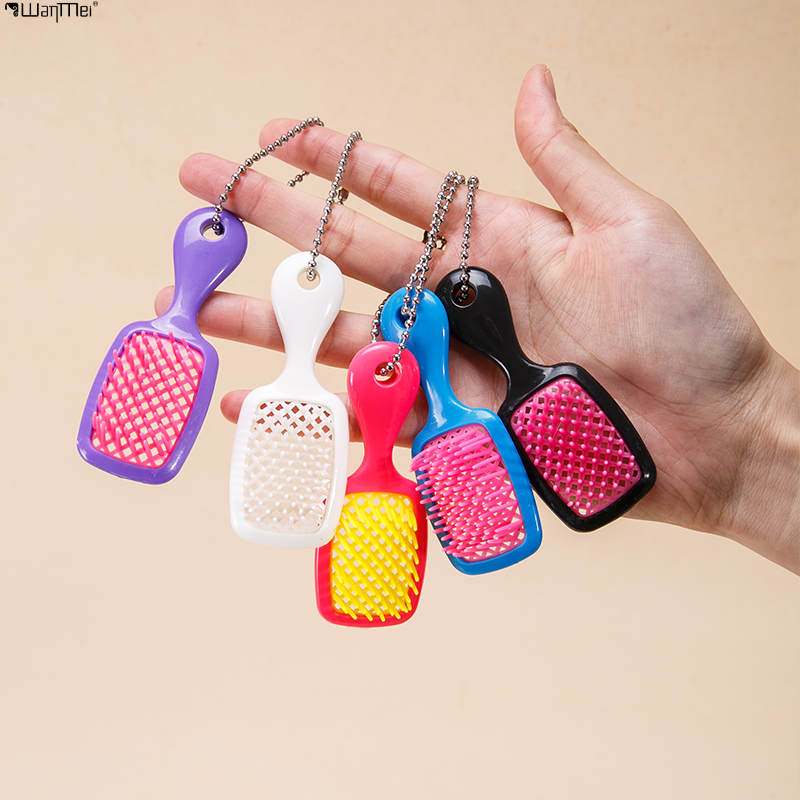
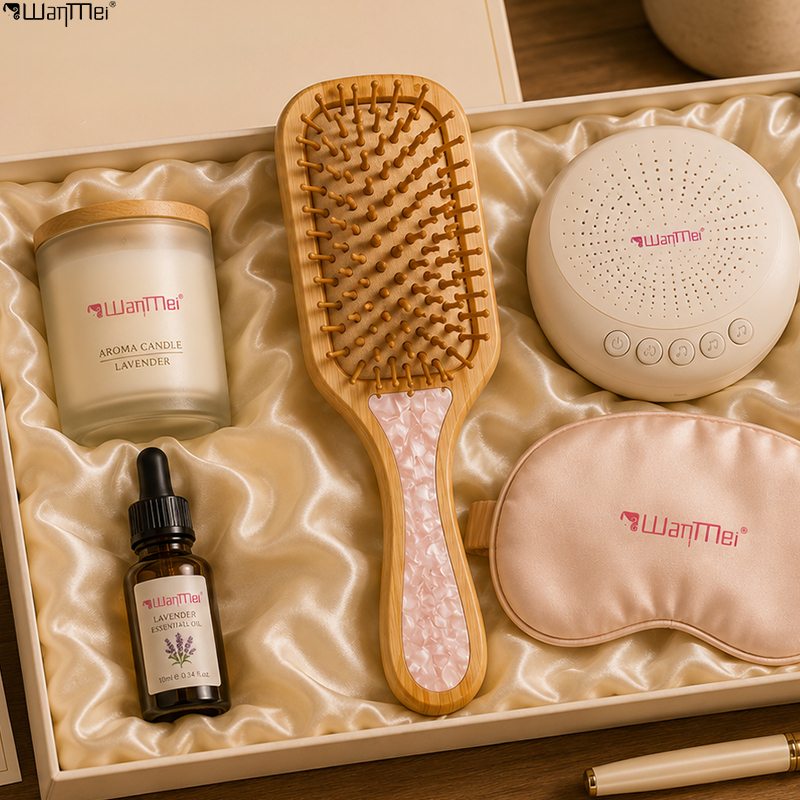
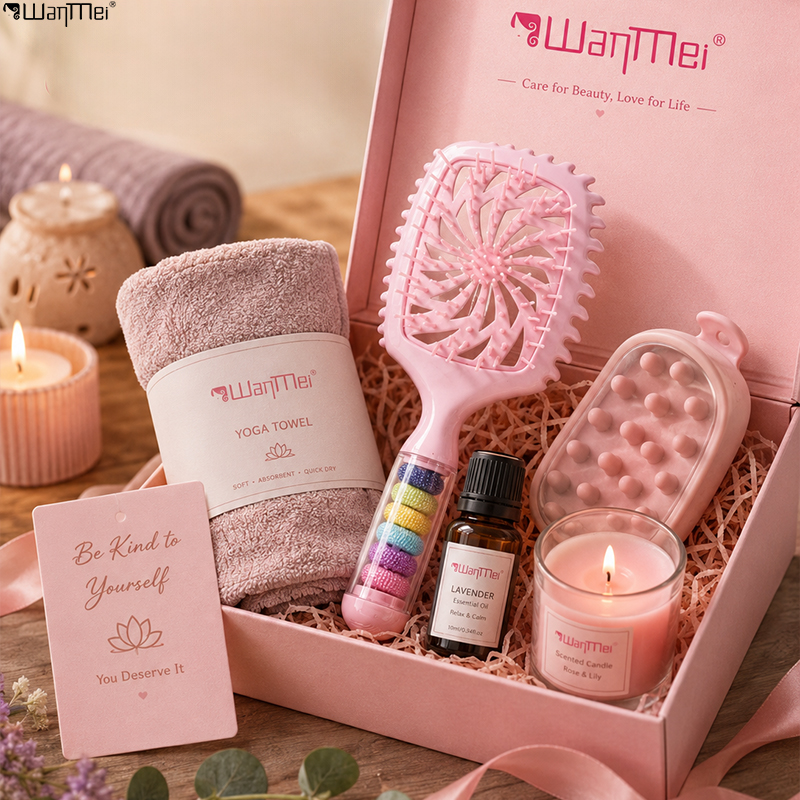
When building a healthy hair care routine, choosing the right grooming tool makes a huge difference in hair texture, shine, and scalp health. Many people confuse boar bristle brushes and traditional combs, using them interchangeably without knowing their unique functions. While both tools detangle and style hair, boar bristle brushes and combs serve completely different purposes for daily hair maintenance. Understanding the difference between a boar bristle brush vs comb will help you reduce frizz, minimize breakage, and achieve healthier, shinier hair long-term.
Core Difference Between Boar Bristle Brush and Comb
The fundamental gap lies in their structure and working principle. A comb features rigid, spaced teeth designed primarily for detangling, parting hair, and precise styling. A boar bristle brush uses soft, dense natural bristles that glide gently over strands, redistribute scalp oils, and polish the hair cuticle. Simply put, combs are for “untangling and shaping,” while boar bristle brushes are for “smoothing and nourishing.”
Boar Bristle Brush: Benefits, Best Uses & Limitations
Boar bristle brushes are widely recognized as premium daily hair tools for all hair types. The natural bristles mimic human hair texture, creating minimal friction and zero static electricity during grooming.
Key Benefits
First, a boar bristle brush naturally distributes sebum from your scalp down to dry ends. Most people suffer from greasy roots and dry tips because natural oils cannot travel evenly. Brushing daily with a boar bristle brush balances oil production, eliminates dullness, and creates a natural salon-like shine without hair products.
Second, it gently massages the scalp, boosting blood circulation and relieving scalp tension. This mild stimulation strengthens hair roots, reduces unnecessary shedding, and promotes healthier hair growth. It is especially friendly for sensitive scalps, fine fragile hair, and postpartum thinning hair.
Limitations
Boar bristle brushes are not ideal for heavy tangles or thick curly hair. Dense bristles can catch knotted strands and cause pulling or breakage if used improperly. They also cannot create clean, precise hair parts or neat styling lines like a regular comb.
Hair Comb: Benefits, Best Uses & Limitations
Whether wooden, horn, or wide-tooth styles, combs are essential functional tools focused on detangling and structural styling. Combs feature rigid teeth with clear spacing, allowing them to penetrate thick hair and separate tangled strands efficiently.
Key Benefits
Combs excel at removing tough knots without excessive hair pulling, especially wide-tooth combs for wet hair and curly hair. They provide precise control for parting hair, trimming, braiding, and formal hairstyling. Unlike brushes, combs do not flatten hair volume, allowing you to retain natural hair texture and curl definition.
Limitations
Traditional combs cannot evenly spread scalp oils. They focus only on detangling rather than nourishing hair. Frequent combing with low-quality combs may also create friction, leading to frizz and cuticle damage over time.
Boar Bristle Brush vs Comb: Which Is Better for Your Hair Type?
Choose a Boar Bristle Brush if you have fine hair, straight hair, oily roots, or dull dry hair. It adds natural shine, balances scalp oil, boosts volume, and improves overall hair health with daily use. It is also perfect for people who pursue low-maintenance, naturally glossy hair.
Choose a Comb if you have thick hair, curly hair, coily hair, or easily tangled hair. A wide-tooth wooden or horn comb safely detangles stubborn knots, preserves curl shape, and supports precise hairstyling. Combs are also necessary for wet hair grooming, which boar bristle brushes cannot handle well.
Can You Use Both Together?
Absolutely. The best hair care routine combines both tools for maximum results. Start with a wide-tooth comb to detangle knots and smooth messy strands. After fully detangling, use a boar bristle brush to distribute natural oils, polish hair cuticles, and create a smooth, shiny finish. This combination reduces breakage, eliminates frizz, and keeps hair healthy long-term.
Final Verdict
There is no absolute winner between a boar bristle brush and a comb—each serves unique purposes. A comb is your go-to tool for detangling, knot removal, and precise styling. A boar bristle brush is your daily maintenance tool for oil balancing, scalp care, and glossy hair texture. For anyone pursuing professional-level hair health, owning both tools creates the most balanced and effective daily hair grooming routine.