When it comes to healthy, damage-free hair grooming, natural combs always outperform cheap plastic and metal alternatives. Horn combs and wooden combs are the two most popular natural hair tools favored by hair care enthusiasts and professional stylists. Both are anti-static, scalp-friendly, and effective at reducing hair breakage, but they feature distinct material traits, usage effects, durability, and applicable hair types. To help you pick the ideal tool for your daily routine, we break down a detailed horn comb vs wooden comb comparison, covering all key pros and cons of each option.
What Are Horn Combs and Wooden Combs?
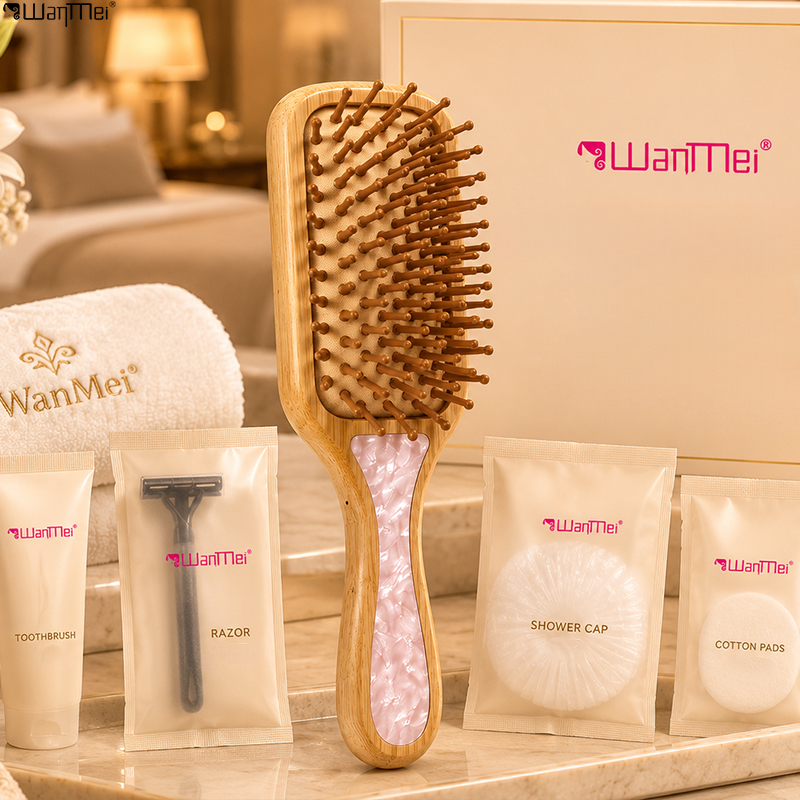
Genuine horn combs are crafted from natural ox horn or buffalo horn, an organic keratin material with a molecular structure highly similar to human hair and nails. Each horn comb features a dense, non-porous, ultra-smooth surface with natural texture variations. Wooden combs are usually made of high-quality natural wood such as sandalwood, boxwood, and peach wood. With soft wood grain and mild natural fragrance, wooden combs are classic daily grooming tools with a long history of scalp care use.
Though both are premium plastic-free comb options, their physical properties, friction levels, and long
Pros and Cons of Natural Horn Combs
Key Pros of Horn Combs
First, horn combs deliver the lowest friction among all natural combs. Their dense, polished surface glides effortlessly through thick, curly, dry, or damaged hair without snagging, tugging, or scratching cuticles. This drastically reduces split ends and hair breakage, making horn combs the best choice for fragile chemically treated hair.
Second, genuine horn produces zero static electricity in any season, completely eliminating dry hair flyaways and frizzy texture. Unlike wood, horn does not absorb moisture or expand, maintaining stable texture in both dry and humid environments. Third, horn combs offer gentle constant-temperature scalp massage, soothing itching, relieving scalp tension, and balancing oil secretion effectively.
Lastly, horn combs are extremely durable. With proper maintenance, they can last for years without deformation, wear, or fading, featuring high collection and practical value.
Cons of Horn Combs
Horn combs have a relatively higher price point than wooden combs, making them a premium investment. They are also sensitive to high heat and long-term water soaking, which may cause cracking or layer separation. In addition, genuine horn combs have natural color and texture differences, so uniform identical products are hard to mass-produce.
Pros and Cons of Wooden Combs
Key Pros of Wooden Combs
Natural wooden combs are cost-effective and highly accessible, perfect for daily family and student use. High-quality sandalwood and boxwood combs release a mild, calming natural wood fragrance that relieves stress and improves relaxation during grooming.
Wooden combs excel at evenly distributing scalp sebum from roots to ends, improving dry ends and balancing oily scalp conditions. Their moderately polished surface provides soft scalp stimulation, boosting blood circulation and reducing mild hair loss caused by poor circulation. Moreover, wooden combs come in diverse styles and sizes, including portable travel models, massage combs, and wide-tooth detangling combs for all hair types.
Cons of Wooden Combs
Wood is a porous material, which means wooden combs may absorb moisture and deform if soaked in water or stored in humid environments. Compared with horn combs, wood produces slight friction, so it may snag extremely matted or super dry hair. Low-grade wooden combs may also have rough grain or unpolished edges that irritate the scalp.
Quick Comparison: Which Is Better for Your Hair?
Choose a Horn Comb if you have damaged hair, bleached or dyed hair, super dry frizzy hair, thick curly hair, or sensitive scalps. It is also the best option for high-end gift customization and long-term personal use.
Choose a Wooden Comb if you need affordable daily grooming tools, stress-relief scalp massage, regular oil balance care, and portable combs for daily commuting and family use.
Final Verdict
Horn combs and wooden combs are both excellent natural alternatives to plastic grooming tools, each with unique strengths. Horn combs stand out for ultra-low friction, zero static, and superior hair protection for fragile hair. Wooden combs win in cost performance, natural aroma therapy, and daily scalp balancing care. There is no absolute better option—your hair texture, budget, and usage habits determine the best choice. For ultimate hair health, many users even keep both types, switching them for different daily grooming needs.