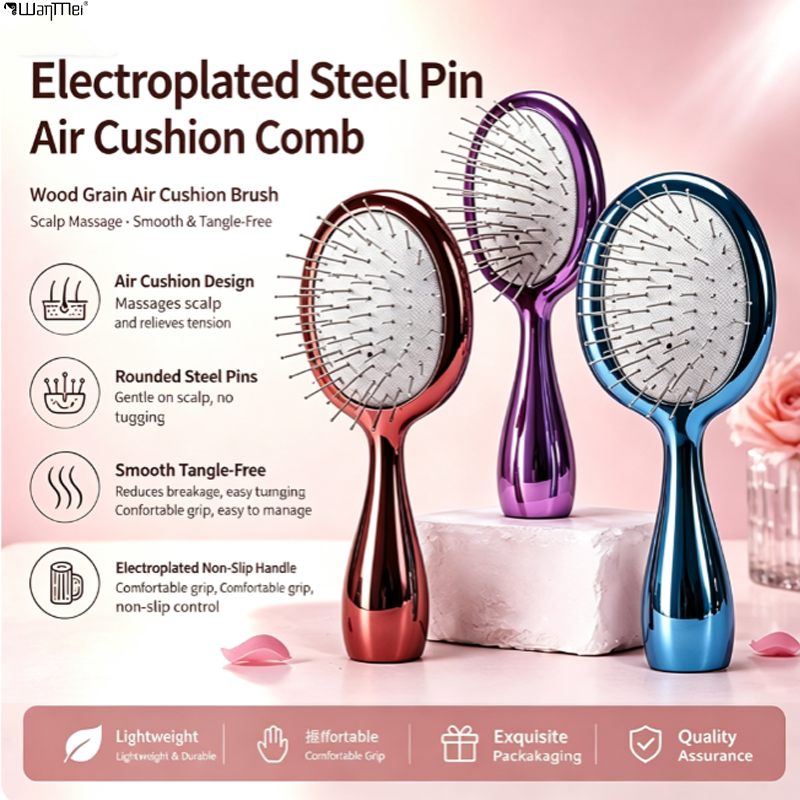
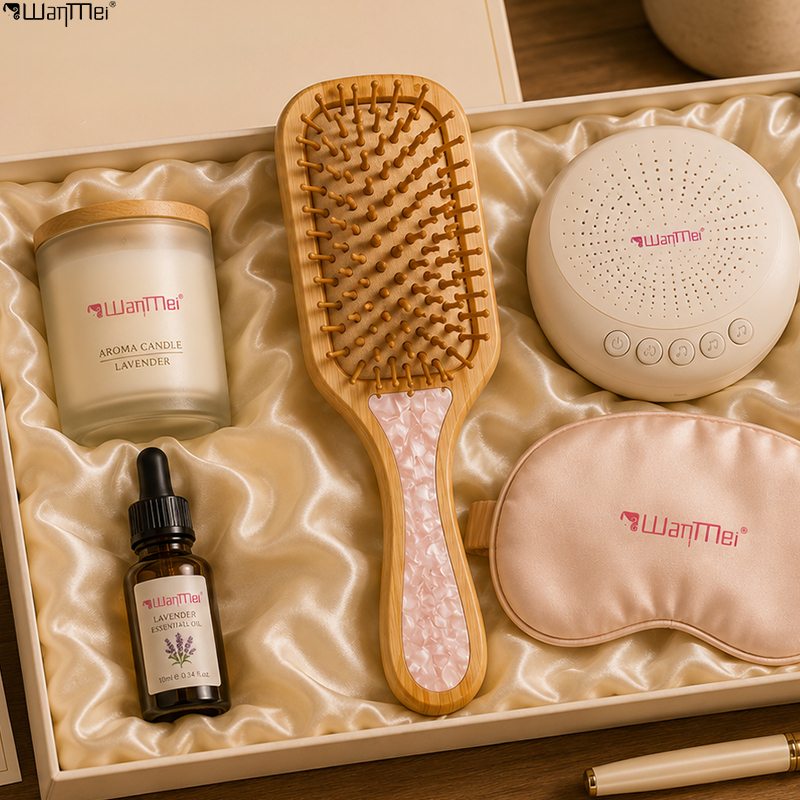
In the world of hair care, the humble hair comb plays a significant role in styling and maintaining healthy hair. A quality hair comb not only enhances the grooming experience but also contributes to the health of the hair and scalp. Hair comb manufacturers are the artisans behind these essential tools, employing precision and expertise to create products that cater to a diverse range of hair types and styles. This article explores the intricacies of hair comb manufacturing, offering insights into the industry that align with Google’s indexing criteria and the standards of official website content.
The Evolution of Hair Comb Manufacturing
The art of manufacturing hair combs has evolved significantly over the years:
- Traditional Craftsmanship: Hair combs were once crafted by hand, a testament to the skill and patience of the artisans.
- Modern Innovations: Today, hair comb manufacturers blend traditional craftsmanship with modern innovations to produce combs that are both functional and stylish.
- Technological Integration: The integration of technology has allowed for the mass production of hair combs without compromising on quality.
Key Components of Quality Hair Comb Manufacturing
Several key components are essential for quality hair comb manufacturing:
- Material Selection: The choice of material is crucial, with natural materials like wood and horn being favored for their hypoallergenic properties and durability.
- Design: The design of a comb must cater to the ergonomics of use, ensuring comfort and effectiveness during styling.
- Manufacturing Process: The manufacturing process must be precise to ensure the comb’s teeth are evenly spaced and the finish is smooth.
Material Selection: The Backbone of Quality Combs
Material selection is the backbone of quality hair comb manufacturing:
- Natural Materials: Natural materials such as wood, horn, and tortoiseshell are preferred for their ability to glide through hair without causing static or breakage.
- Plastics and Acrylics: Modern materials like plastics and acrylics offer durability and come in a variety of colors and styles, appealing to a broader market.
- Metal: Metal combs are known for their strength and are often used in professional styling tools.
Design and Ergonomics: The User Experience
Design and ergonomics are critical to the user experience:
- Handle Design: The handle must be comfortable to hold, reducing hand fatigue during use.
- Tooth Spacing: The spacing between the teeth should be appropriate for the type of hair the comb is intended for, providing gentle detangling without pulling.
- Anti-Static Properties: Combs with anti-static properties enhance the combing experience, leaving hair smooth and frizz-free.
The Manufacturing Process: Precision and Craftsmanship
The manufacturing process is where precision and craftsmanship come together:
- Molding: For mass production, combs are often molded using high-quality materials that maintain the comb’s integrity.
- Cutting and Finishing: The cutting of the teeth and the finishing of the comb are critical steps that require precision to ensure a smooth, snag-free combing experience.
- Quality Control: Stringent quality control measures are implemented at each stage of production to ensure the final product meets the highest standards.
Innovation in Hair Comb Manufacturing
Innovation continues to drive advancements in hair comb manufacturing:
- Customization: Manufacturers are now able to offer customized combs tailored to specific hair types and styling needs.
- Sustainability: There is a growing trend towards sustainable manufacturing practices, using eco-friendly materials and processes.
- Technology: The use of advanced technologies like 3D printing allows for the creation of intricate designs and prototypes.
The Global Impact of Hair Comb Manufacturers
Hair comb manufacturers have a global impact, reaching a diverse customer base:
- Export Markets: Combs made in certain regions are exported worldwide, contributing to the local economy and international trade.
- Cultural Significance: Combs often hold cultural significance and are used in traditional ceremonies and hair customs in various cultures.
- Health and Beauty Industry: The health and beauty industry relies heavily on quality hair combs for both professional and personal use.
Conclusion
Hair comb manufacturing is an art form that combines traditional craftsmanship with modern innovations. The selection of materials, design, and manufacturing process all contribute to creating a product that is not only functional but also a pleasure to use. As the industry continues to evolve, manufacturers are embracing sustainability and technological advancements to meet the demands of a global market. By adhering to the highest standards of quality and craftsmanship, hair comb manufacturers are ensuring that these essential tools remain a staple in hair care and styling for years to come.