Matted and severely tangled hair is one of the most common hair struggles for people with long hair, curly textures, dry strands, or damaged chemically treated hair. Rushing to comb tight knots usually leads to painful pulling, scalp soreness, massive hair fall, split ends, and broken strands. The good news is that you can detangle matted hair without pain or damage using simple, salon-approved techniques and the right tools. This complete SEO guide will teach you how to remove stubborn mats gently, prevent future tangles, and protect your hair health long-term.
Why Harsh Detangling Ruins Your Hair
Many people habitually yank combs through matted hair to save time. However, wet or dry matted hair has open, fragile cuticles that are extremely vulnerable to external force. Aggressive detangling rips healthy strands, weakens hair roots, and causes irreversible split ends. Over time, repeated rough combing leads to thinner hair, frizzier texture, and even scalp inflammation. Gentle detangling is not slow—it is the only safe way to restore smooth hair without sacrificing hair volume and health.
Prep Work: The Key to Painless Detangling
Before touching your matted hair with any comb or brush, proper preparation is essential to soften knots and reduce tension. Start by applying water and moisturizing products to loosen tight mats. For dry matted hair, lightly spray warm water all over the tangled area to rehydrate strands. Dry hair tangles tighter and breaks easier, while slightly damp hair becomes flexible and pliable.
Next, apply leave-in conditioner, hair serum, or lightweight hair oil to the matted sections. Focus on the middle strands and ends where knots accumulate. These products create a slippery protective layer, reduce friction, and allow tangled hair strands to slide apart naturally. Let the product sit for one to two minutes to fully soften stubborn mats before detangling.
Step-by-Step Method to Detangle Matted Hair Without Damage
Follow this professional step-by-step routine for completely pain-free and damage-free detangling results.
Step 1: Use your fingers first Always start detangling with clean fingers instead of combs. Fingers are softer and more flexible, allowing you to gently separate large clumps without breaking hair. Pull apart tangled sections slowly from the bottom up, breaking big mats into smaller loose chunks. This eliminates the hardest knots before using any tool.
Step 2: Start from the ends, not the roots This is the most critical rule for painless detangling. Most people start combing from the top, which pushes tight knots downward and creates harder mats. Working from the bottom 2 to 3 inches of hair removes tension gradually, protecting roots from pulling and hair loss.
Step 3: Use a wide-tooth comb for primary detangling After finger detangling, use a smooth wide-tooth comb to glide through loose strands. Choose natural wooden combs or horn combs with polished round teeth to avoid snagging. The wide spacing gently separates residual tangles without friction or breakage.
Step 4: Switch to a soft brush for final smoothing Once all mats are gone, use a boar bristle brush to smooth the entire hair length. It distributes leftover conditioner evenly, flattens lifted cuticles, and eliminates frizz, leaving hair soft, shiny, and tangle-free.
Best Tools for Detangling Matted Hair
Using the right tools drastically reduces detangling pain and damage. Avoid cheap plastic combs and sharp metal combs, which cause static and snag strands easily.
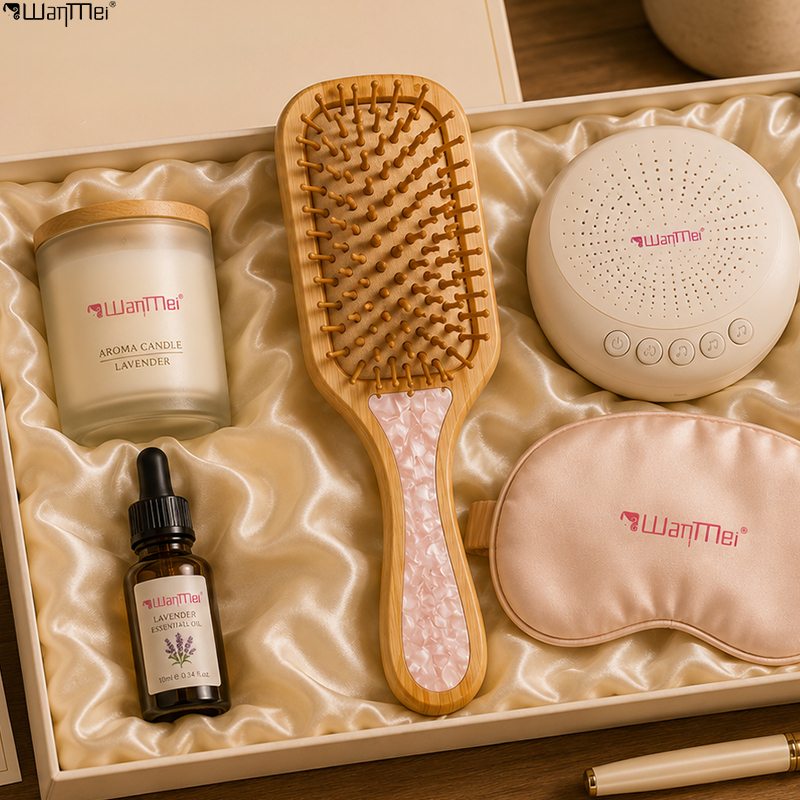
Wide-tooth wooden comb: The top tool for matted hair. Zero static, ultra-smooth surface, and gentle spacing protect fragile tangled hair.
Natural horn comb: Perfect for dry and damaged matted hair. Its friction-free surface glides through tight knots without pulling or breakage.
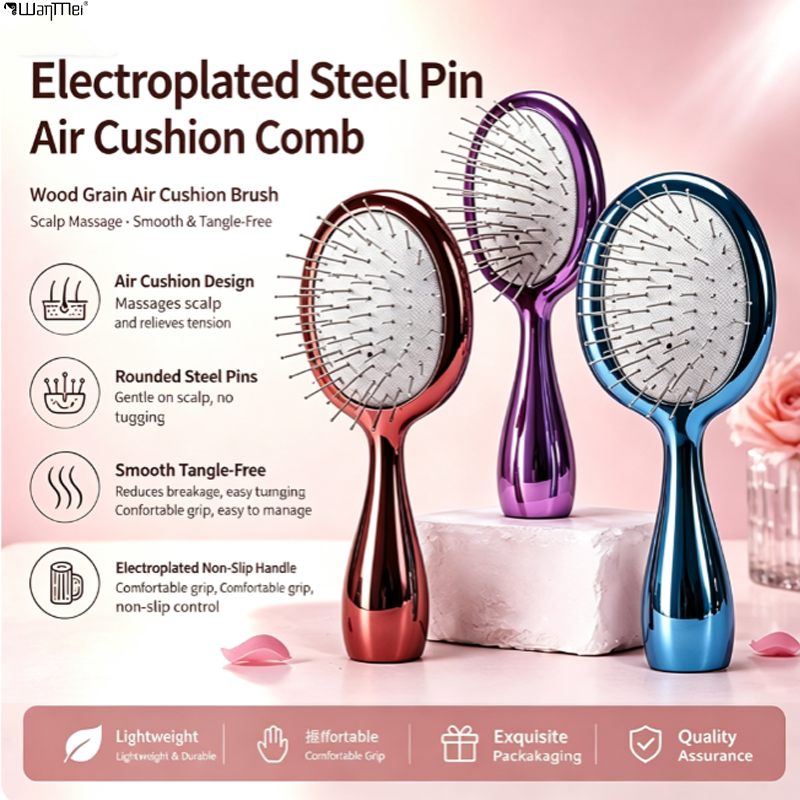
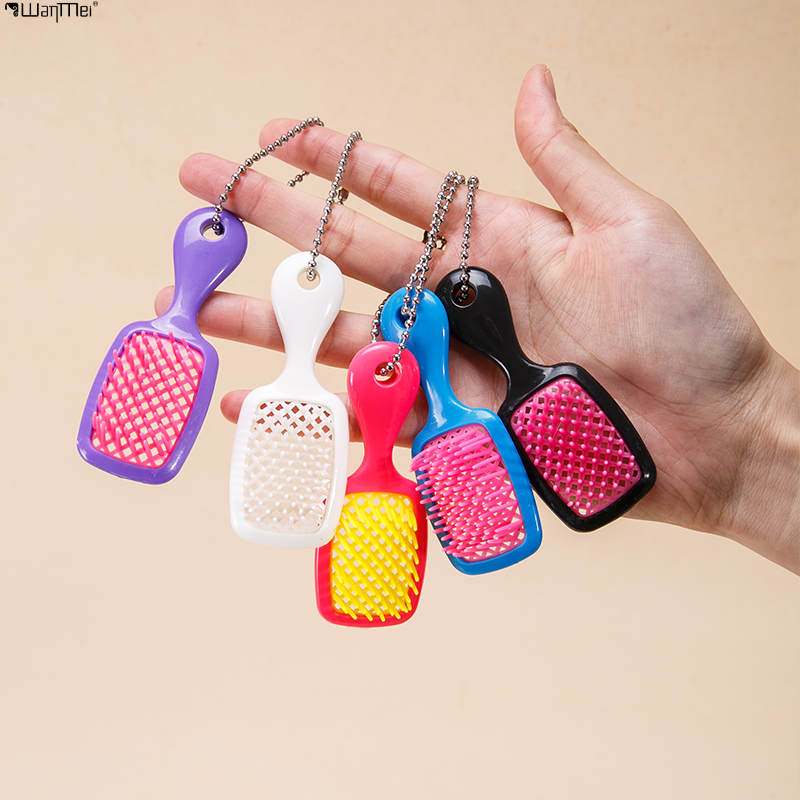
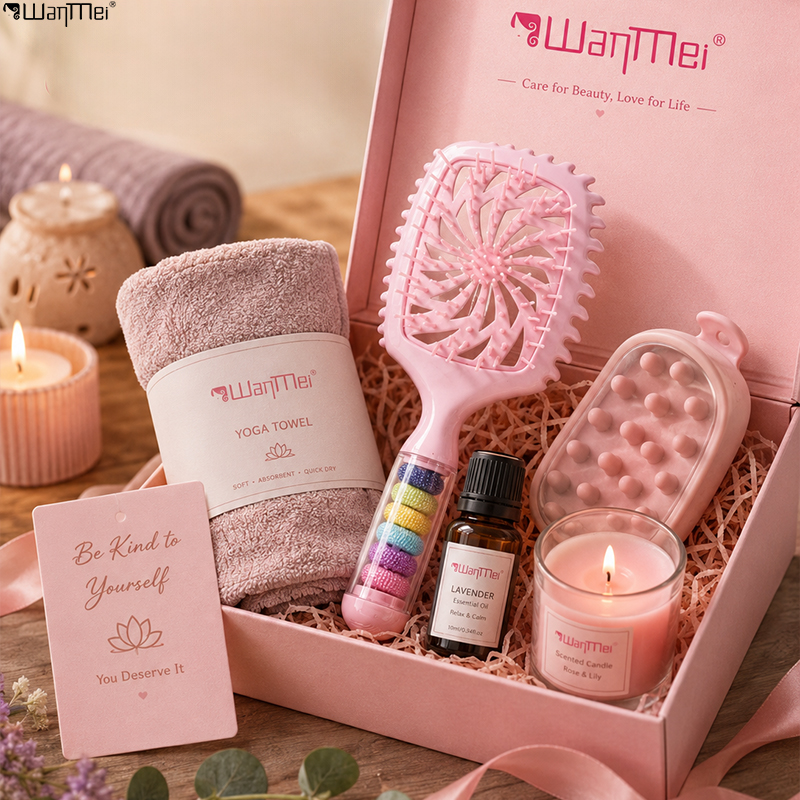
Flexible detangling brush: Great for curly and thick hair, bending gently to adapt to tangled strands and prevent harsh tension.
Common Mistakes to Avoid
First, never detangle fully dry matted hair without moisture. Dry knots are rigid and prone to snapping. Second, avoid rushing the process; fast combing always results in broken strands and pain. Third, do not use excessive hair product buildup, which creates heavier tangles over time. Lastly, skip fine-tooth combs during detangling, as dense teeth trap knots and worsen damage.
How to Prevent Future Matted Hair
Consistent daily habits stop mats from forming in the first place. Detangle your hair gently every night before sleeping to avoid overnight knotting. Apply hair oil regularly to maintain softness, especially for dry and curly hair. For long hair, braid loosely before bed to prevent messy tangles. Using anti-static natural combs daily also keeps hair smooth and less likely to mat.
Final Thoughts
Detangling matted hair does not have to be painful or damaging. With proper moisture prep, slow bottom-up techniques, and hair-friendly tools, you can remove even severe mats safely while preserving hair length and thickness. Prioritize gentleness and patience over speed, and build simple daily detangling habits to keep your hair smooth, healthy, and tangle-free all year round.