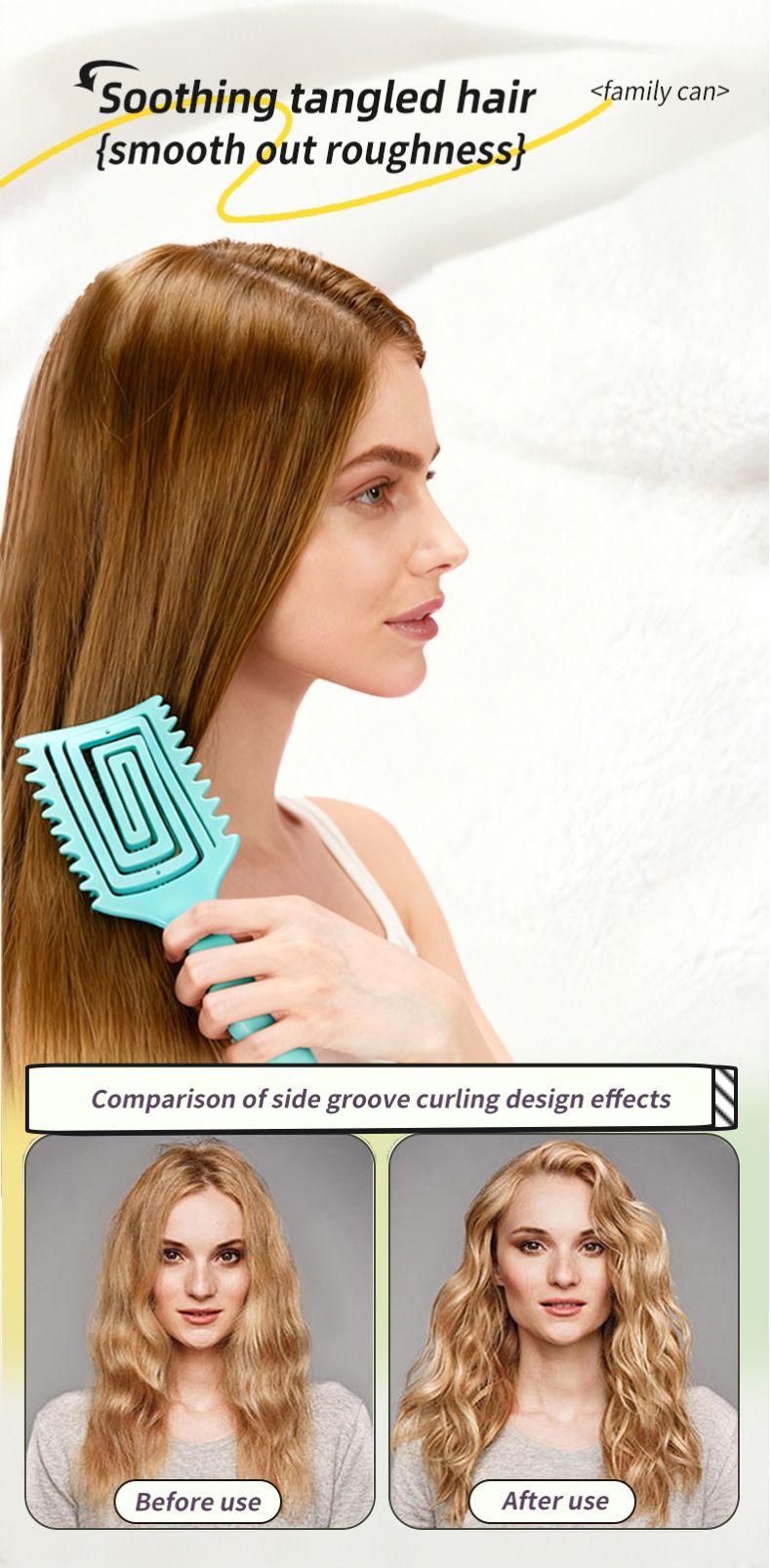
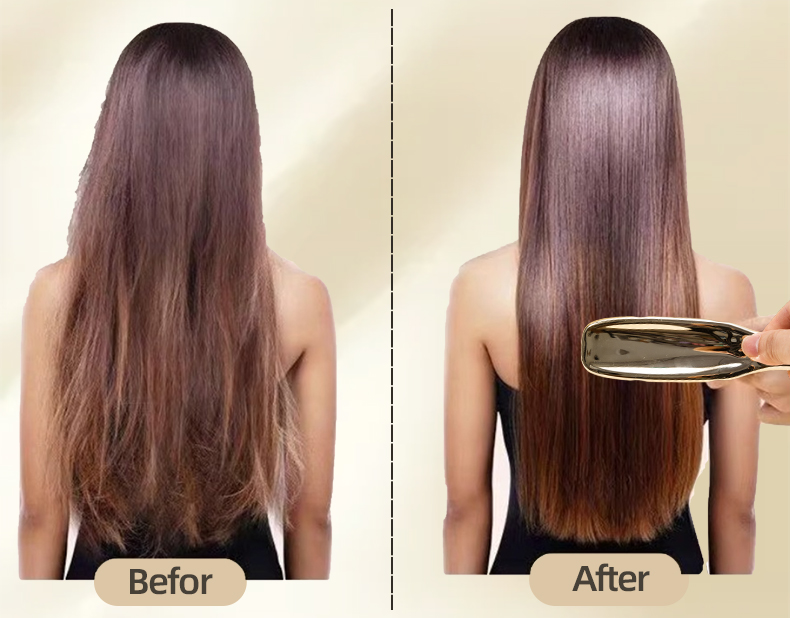
3–6 months after giving birth, countless moms face the nightmare of postpartum hair loss: receding hairlines, drastically reduced hair volume, limp and fragile strands that fall out in clumps with every comb stroke. It’s not just a blow to your appearance—it’s a source of overwhelming stress.
Driven by hormonal fluctuations and nutrient deficiency, postpartum hair roots turn weak and scalps become ultra-sensitive. The right comb isn’t just a grooming tool—it’s your secret weapon to minimize breakage, protect remaining hair, and gently stimulate scalp circulation for healthier regrowth. Curated with insights from obstetric care experts and professional hairstylists, this guide breaks down the best combs for postpartum hair loss, plus pro tips to get you through this phase smoothly.
Why Comb Choice Matters: Postpartum Hair & Scalp Basics
Postpartum hair and scalps have 3 non-negotiable needs—ignore them, and you’ll worsen hair loss:
- Fragile roots: Even slight pulling causes hair to fall out—zero harsh tugging allowed.
- Dry, limp strands: Starved of nutrients, hair breaks easily when rubbed or tangled.
- Sensitive scalps: Hormonal shifts trigger oiliness, dryness, or itching—only gentle, irritation-free contact works.
Golden Rule for Comb Selection: Prioritize low-tug, pressure-relieving, natural-material combs with rounded teeth and cushioning. Ditch sharp, dense, or plastic combs that damage hair and scalp.
Must-Have Combs for Postpartum Hair Loss (By Use Case)
1. Gentle Detangler: Wide-Tooth Comb (Wet & Dry All-Star)
The non-negotiable staple for postpartum moms—with tooth spacing ≥6mm, it minimizes contact with fragile strands to detangle knots without yanking roots.
Expert Tip: Wet hair is 3x more vulnerable after childbirth. A wide-tooth comb is the only safe option for post-shower styling.
- Top Material Picks: Natural wood (peach, green sandalwood) for zero static and subtle hair nourishment; food-grade silicone for lightweight flexibility and scalp-friendly softness.
- Editor’s Choices: Tan Mujiang Peach Wood Wide-Tooth Comb (ultra-smooth, burr-free teeth) | Babycare Mom & Baby Silicone Wide-Tooth Comb (100% irritation-free, perfect for sensitive scalps)
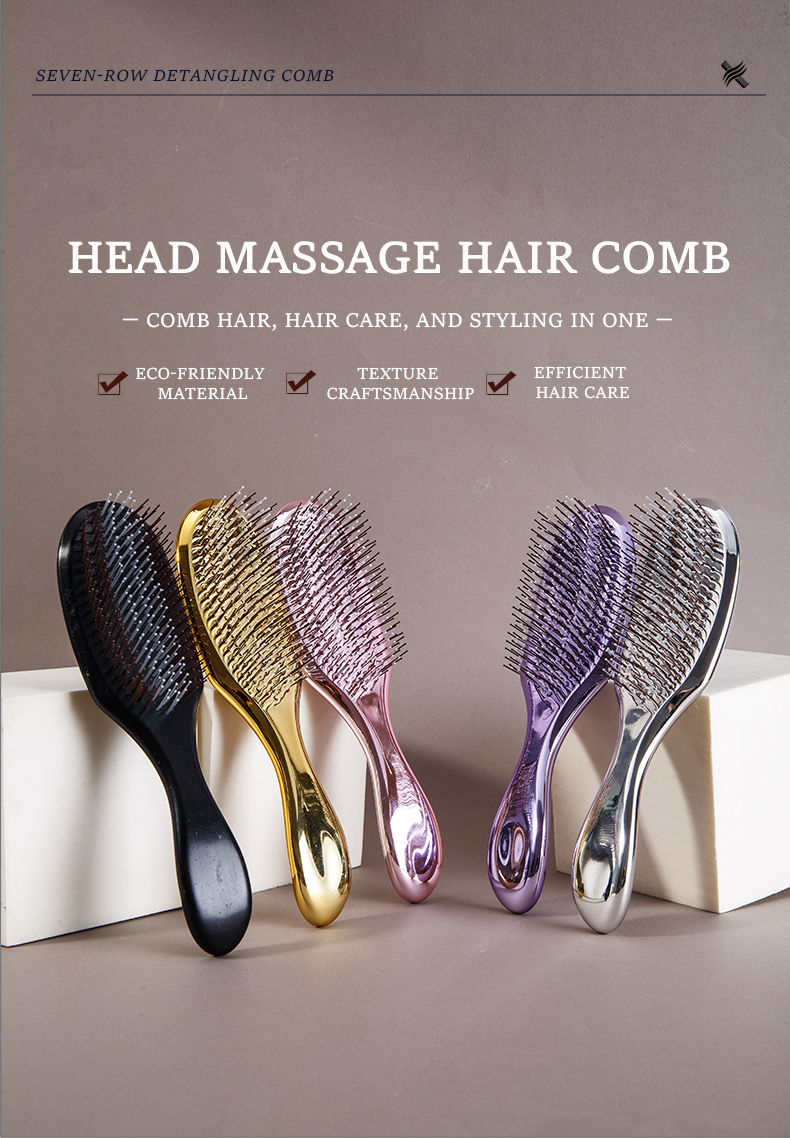
2. Scalp Massage Hero: Air Cushion Boar Bristle Comb (Dry Hair Daily Go-To)
Balance hair protection and scalp care with this dual-purpose comb. The elastic air cushion absorbs pressure to avoid root damage, while soft natural boar bristles:
- Distribute scalp’s natural oils to hydrate dry, limp postpartum hair
- Gently massage the scalp to boost blood flow (key for hair regrowth)
- Add subtle volume to flat, thinning hair—no harsh styling needed
Editor’s Choices: Hercules Sägemann Soft Boar Bristle Cushion Comb (gentle massage, no scalp poking) | MUJI Wooden Handle Cushion Comb (minimalist design, durable and travel-friendly)
3. Hairline Saver: Round-Tip Dense-Tooth Comb (Local Touch-Up Tool)
Postpartum hairlines are the hardest hit—think sparse roots and flyaways. This specialized comb has 2–3mm tooth spacing with rounded, padded tips to:
- Tame flyaways and baby hairs without scratching delicate hairline skin
- Avoid tugging sparse roots (a common cause of further recession)
Pro Usage Note: For dry hair only—use it for hairline/bangs touch-ups, NOT full-head combing.
- Editor’s Choice: Shiseido Round-Tip Precision Care Comb (ergonomic handle, perfect for precise styling)
Quick Comb Selection Cheat Sheet
| Comb Type | Core Benefits | Best For |
|---|---|---|
| Wooden/Silicone Wide-Tooth | Low-tug detangling, static-free, wet/dry use | Post-shower styling, tangled hair, all postpartum hair types |
| Air Cushion Boar Bristle | Scalp massage, oil distribution, volume boost | Daily dry hair care, limp/thinning hair |
| Round-Tip Dense-Tooth | Hairline protection, flyaway taming | Dry hairline/bangs touch-ups |
Pro Combing Tips to Minimize Hair Loss (For New Moms)
- Bottom-Up Combing is Non-Negotiable: Start at the ends to detangle knots, then work your way up to roots. Never comb from roots to ends—this is the #1 cause of unnecessary hair fall.
- Wet Hair Care Hack: Blot hair with a microfiber towel (no rubbing!) until it’s damp (not dripping). Apply a silicone-free hair oil to mid-lengths/ends before combing to cut friction by 50%.
- Limit Combing Frequency: 1–2 gentle passes per day is enough. Over-combing = more friction = more breakage.
- Keep Combs Clean: Wash weekly with warm water + mild soap to remove hair, oil, and bacteria (dirty combs irritate sensitive scalps!). Air-dry wooden combs immediately—no soaking allowed.
Combs to Avoid at All Costs (They’ll Worsen Hair Loss!)
Skip these 3 comb types if you want to protect your postpartum hair:
- Cheap Plastic Combs: High static, harsh friction, and potential chemical leaching—they’ll snap fragile strands and irritate scalps.
- Sharp-Tooth/Metal Combs: Sharp tips scratch scalps; metal causes static that dries out hair and pulls roots.
- Full-Head Dense Fine Combs: Narrow teeth force tangles apart, yanking out healthy hair and damaging roots.
Final Note: You’re Not Alone in This
Postpartum hair loss is 100% normal—it’s your body’s way of readjusting after pregnancy. It typically eases 6–12 months after childbirth. With the right comb and gentle care, you can minimize hair fall, protect your scalp, and set the stage for thicker, healthier regrowth.
If hair loss lasts beyond 12 months, consult an obstetrician or dermatologist to rule out nutrient deficiencies or other underlying issues.
Your hair will bounce back—and in the meantime, you deserve a comb that cares for you as much as you care for your little one.