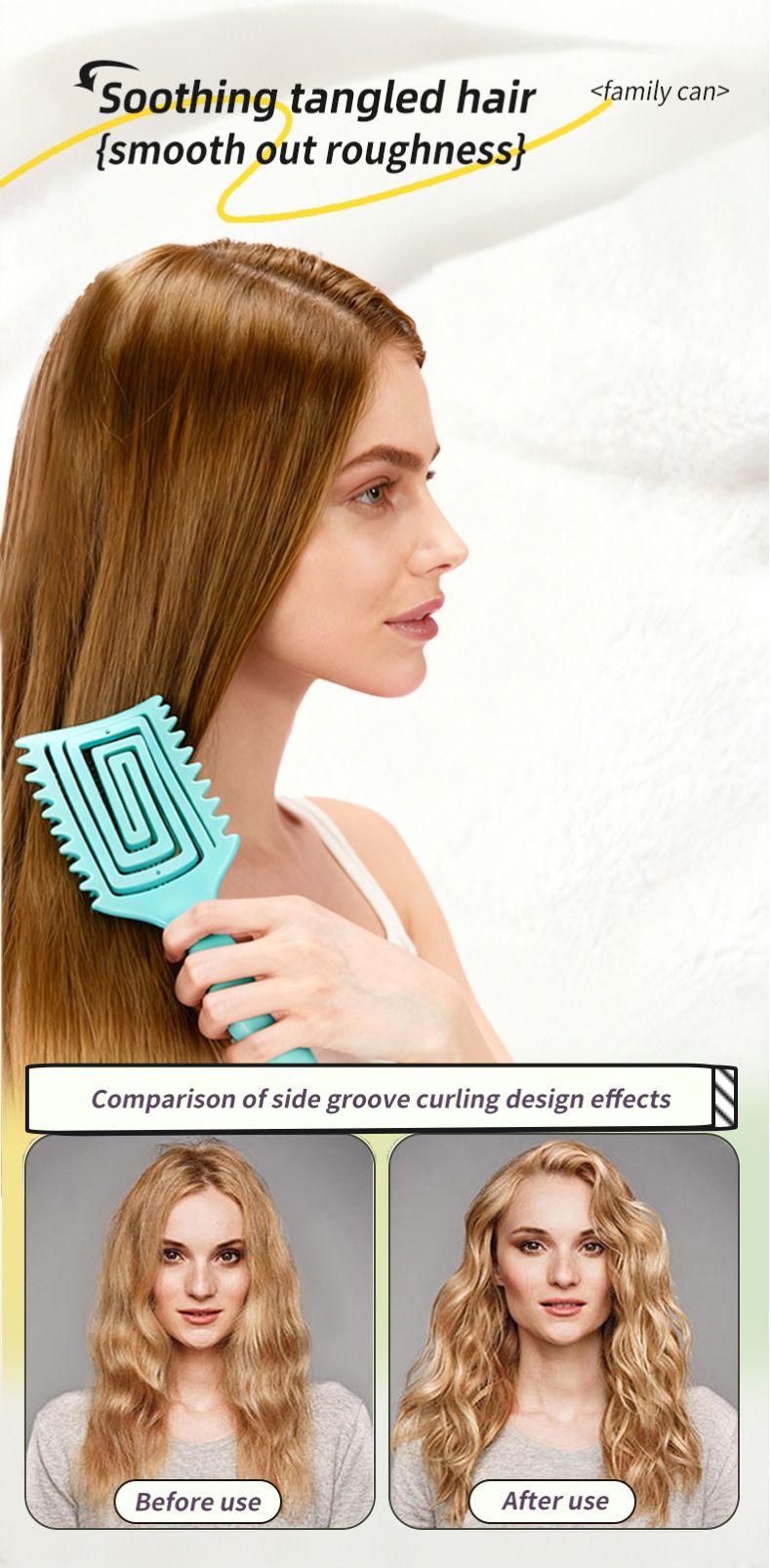
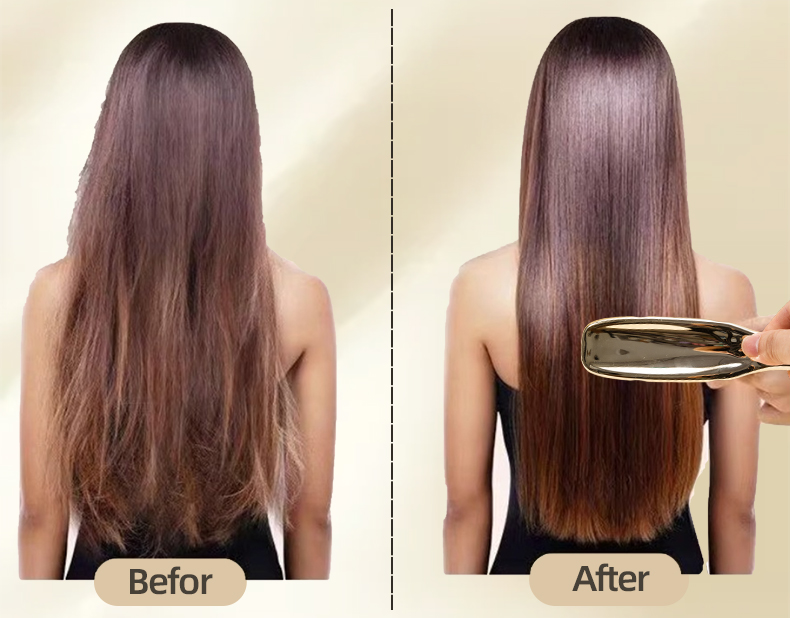
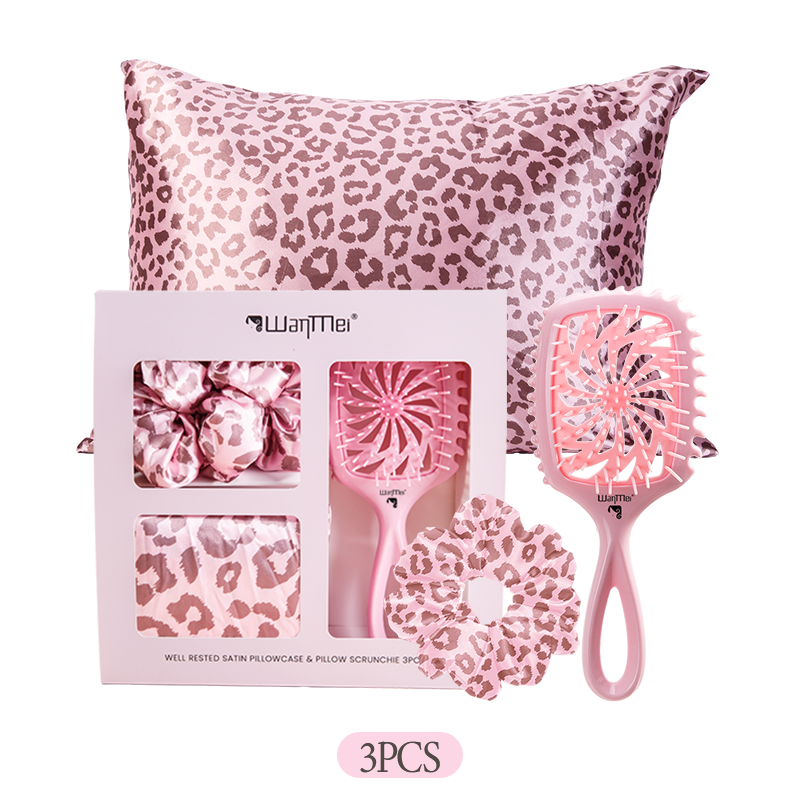
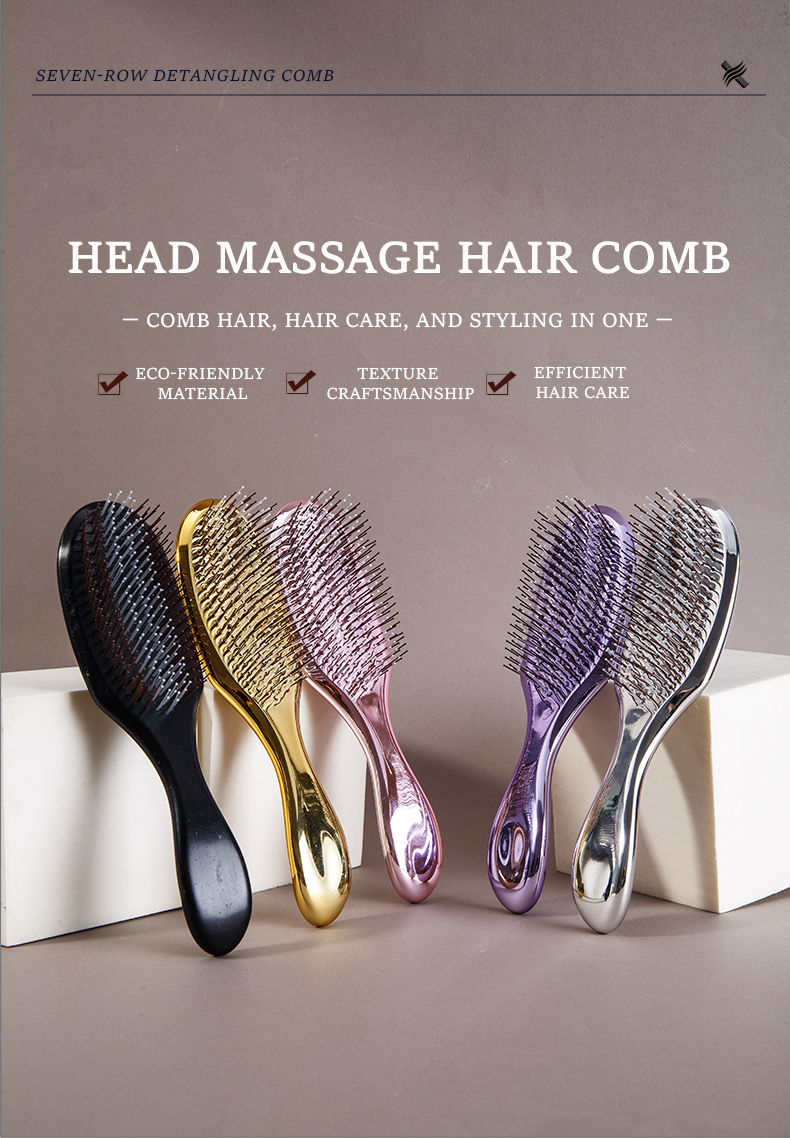
Strands of hair tangled in the sink and leftover hair on the comb after daily brushing leave countless people plagued by hair loss anxiety. On the market, a dizzying array of hair growth combs are marketed with claims like “activating hair follicles”, “reducing hair loss” and “thickening hair”, priced from tens to thousands of yuan. This leaves many consumers both tempted and confused: Are hair growth combs a scam, or do they truly ease hair loss troubles? Today, we uncover the truth about hair growth combs, objectively analyze their working principles and applicable scenarios, help you avoid misconceptions, and view this popular hair care tool rationally.
First, a core conclusion: Hair growth combs cannot cure hair loss, but they can assist in reducing hair shedding and improving the scalp environment for specific types of alopecia. Effects vary from person to person, and they fall far short of the hype around “hair growth”—most users experience a slight reduction in shedding rather than the growth of thick new hair[3]. To understand this, let’s start with the core working principles of hair growth combs.
3 Core Working Principles of Hair Growth Combs: Understand Their Limits
There are three main types of hair growth combs on the market, each with distinct mechanisms, but all focus on “auxiliary scalp environment improvement” rather than directly regenerating dead hair follicles[3].
The first is massage-type hair growth combs (the most common, budget-friendly), such as wooden air-cushion combs and five-prong scalp massagers. Their core function is to gently press the scalp through comb teeth, boost local blood circulation, relieve scalp tension, and reduce temporary hair loss caused by stress and poor blood flow[1]. However, this stimulating effect is short-lived, lasting only around 10 minutes, and cannot activate follicle regeneration[2].
The second is microcurrent/laser hair growth combs (mid-to-high-end models). They use low-level lasers (around 650nm) or microcurrents to penetrate the scalp surface, stimulate follicle activity, regulate sebum production, slow follicle atrophy, and provide auxiliary benefits for mild hair loss[5]. These combs require long-term consistent use and work better for people with intact, non-necrotic hair follicles[3].
The third is anti-static hair care combs (basic models). Made from natural wood, ox horn and other materials, they reduce static friction during brushing, prevent cuticle damage and hair breakage, thereby cutting down on “false hair loss”—excessive shedding that is actually hair breakage[2].
Key Truths: When They Reduce Hair Loss, and When They Are Useless
The efficacy of hair growth combs hinges entirely on the cause of hair loss—they only work for reversible hair loss, and are completely ineffective for irreversible alopecia[3].
Scenarios where they help reduce hair loss:
Temporary hair loss from stress and sleep deprivation; mild seborrheic alopecia caused by poor scalp circulation and excess sebum; physiological postpartum hair loss from hormonal fluctuations; and hair breakage from improper brushing techniques or static electricity[1][4]. For these types of hair loss where follicles remain viable, auxiliary stimulation from hair growth combs paired with a healthy routine can noticeably reduce shedding[3]. Studies show moderate daily brushing (50–80 strokes) slightly increases scalp blood flow and reduces hair loss[2].
Scenarios where they have no effect:
Androgenetic alopecia (hereditary hair loss, such as a receding hairline and thinning crown); severe hair loss with necrotic follicles; and pathological hair loss triggered by diseases or medications[1][3]. These forms of alopecia stem from follicle damage or genetic factors—hair growth combs cannot reverse follicle death, offering only minor scalp care benefits with no impact on reducing hair loss or promoting growth[2].
Common Misconceptions: Don’t Fall for These Marketing Hypes
Misconception 1: Hair growth combs “grow new hair”
The core function of most hair growth combs is “reducing shedding and scalp care”, not hair growth. Marketing claims of “hair growth” are mostly exaggerated. New hair rarely grows on completely bald scalps without the addition of medications or professional treatments[3][4].
Misconception 2: The more expensive the comb, the better the effect
Price is determined mainly by materials and functions, not efficacy[3]. For example, a natural wooden massage comb (tens of yuan) may perform just as well as a thousand-yuan basic laser comb in reducing static and gentle hair care—effectiveness depends on your type of hair loss[2].
Misconception 3: Brushing more frequently yields better results
Over-brushing (more than 200 strokes a day) tugs at fragile follicles, exacerbates mechanical hair loss, and increases shedding[4]. 50–80 gentle strokes per day are sufficient; excessive stimulation backfires[2].
In summary, hair growth combs are not a scam, nor are they a “miracle cure for hair loss”. They function more as a “scalp care tool”—assisting in reducing reversible hair loss and improving hair condition, but unable to cure alopecia or replace professional treatments such as minoxidil and hair transplants[3].
If you struggle with mild hair shedding, choose a suitable hair growth comb, pair it with a regular schedule and a balanced diet, and you may see pleasant results with long-term use. For severe hereditary hair loss, seek medical advice promptly, view hair growth combs rationally for their auxiliary role, and avoid wasting money.