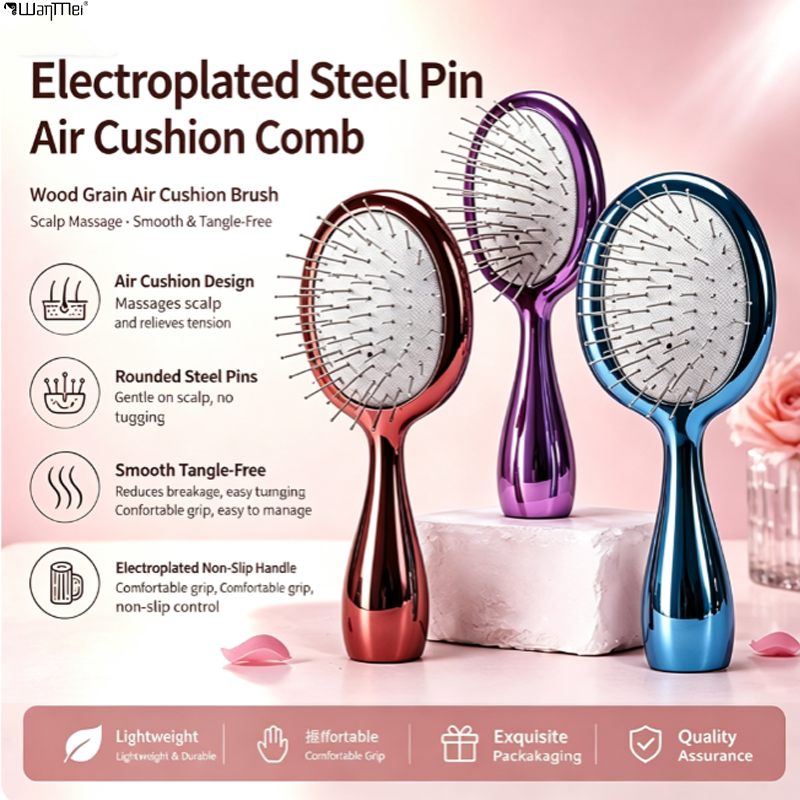
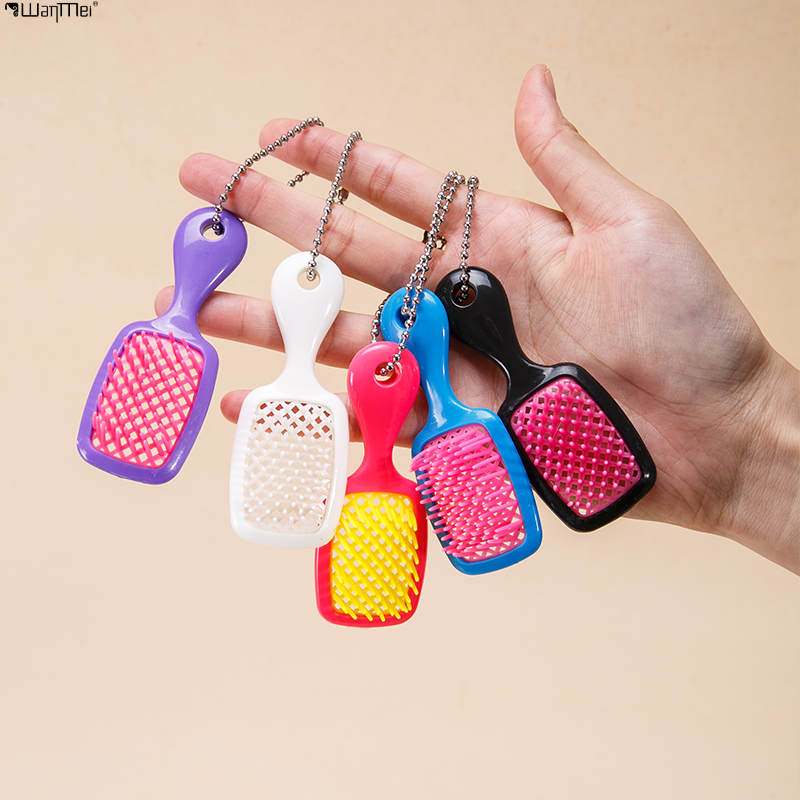
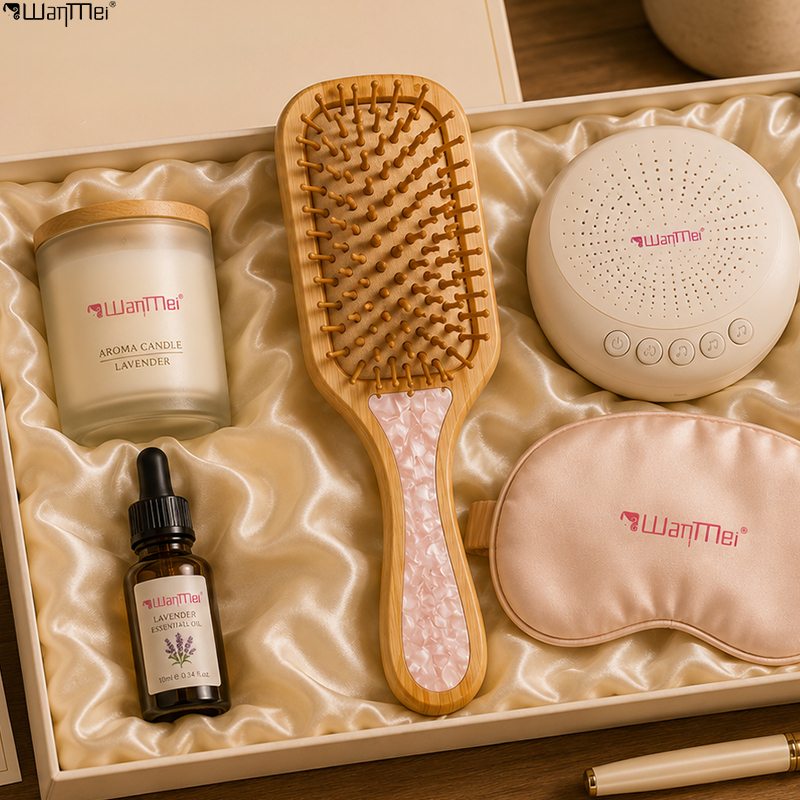
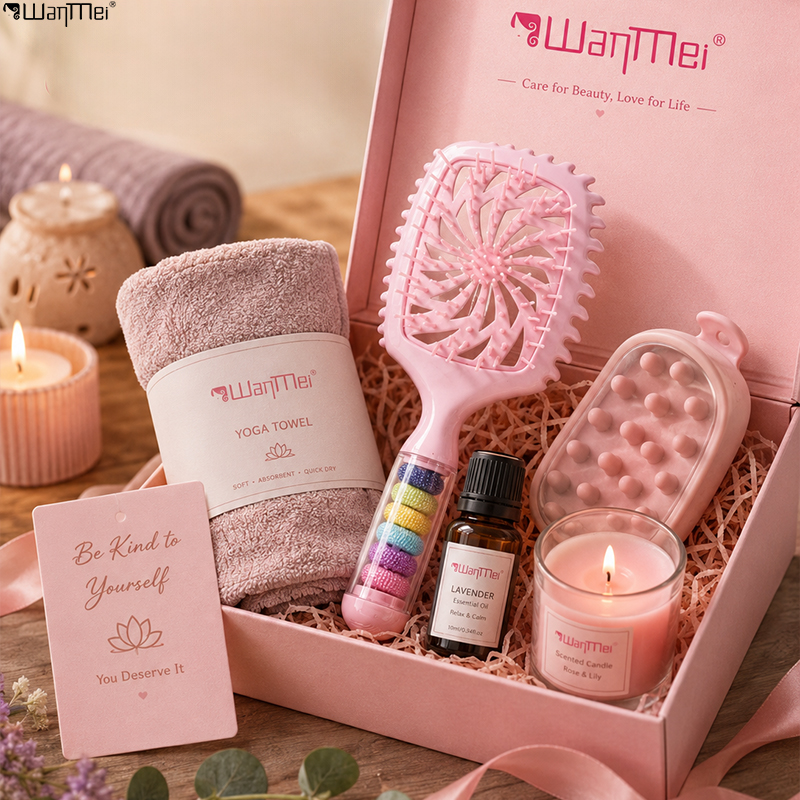
When it comes to daily hair care, most people grab the first comb they see without thinking twice about its material. But the simple choice between a wooden comb and a plastic comb can make a huge difference in the health of your hair, scalp, and even long-term hair growth. Plastic combs are cheap, widely available, and lightweight, while wooden combs are praised as a gentler, more natural alternative for all hair types.
If you’ve struggled with static frizz, breakage, scalp irritation, or tangled strands, this full comparison will help you decide which comb fits your routine, hair goals, and lifestyle. We’ll break down the key differences in performance, hair protection, durability, and overall value to answer the big question: Wooden Comb vs Plastic Comb—Which Is Better?
Static & Frizz Control: Clear Winner Is Wooden Comb
One of the most noticeable differences between wooden and plastic combs is static electricity. Plastic is a highly conductive synthetic material that creates friction as it glides through hair strands. This friction builds up positive electric charges, leaving your hair full of flyaways, frizzy, and unmanageable—especially in dry weather, winter, or air-conditioned spaces.
Wooden combs are made from natural, non-conductive materials like sandalwood, bamboo, neem, or peach wood. They eliminate static buildup entirely, since there’s no friction-induced charge transfer. This means smooth, sleek strands every time you comb, with zero messy frizz. For anyone with dry, curly, or fine hair that’s prone to static, this alone makes wooden combs a far better daily choice.
Hair Breakage & Cuticle Protection
Healthy hair has a closed, smooth cuticle layer; damaged hair has raised, rough cuticles that lead to split ends and breakage. Most affordable plastic combs have sharp, uneven edges or rough mold lines that snag and tear at hair cuticles. Even smooth plastic combs pull at strands due to static and friction, weakening hair over time and causing unnecessary shedding.
High-quality wooden combs are hand-polished to perfection, with rounded, smooth teeth that glide through hair without tugging. They gently detangle knots instead of forcing them apart, preserving the hair cuticle and reducing breakage by a significant margin. Wooden combs also distribute natural scalp oils (sebum) evenly from roots to ends, nourishing dry strands and adding natural shine—something plastic combs fail to do, as they push oils away instead of spreading them.
Scalp Health & Sensitivity
Scalp irritation is a common side effect of cheap plastic combs. Sharp edges scratch the scalp, while static can worsen itchiness and dryness. Some low-grade plastics may even trigger mild allergic reactions or buildup on the scalp over time, creating an unhealthy environment for hair growth.
Wooden combs are hypoallergenic and gentle on sensitive scalps. The smooth, rounded teeth massage the scalp lightly while combing, boosting blood circulation to the hair follicles. Certain woods like neem also carry natural antibacterial and antifungal properties, helping keep the scalp clean and balanced. This gentle scalp care supports healthier, stronger hair growth long-term.
Durability, Eco-Friendliness & Value
Plastic combs are inexpensive but extremely fragile. They bend, snap, or break easily with regular use, especially on thick or curly hair, and end up in landfills as non-biodegradable waste. They’re a short-term, low-cost solution that harms the environment.
Wooden combs are sturdier, longer-lasting, and fully biodegradable. A well-cared-for wooden comb can last for years with proper maintenance—simply wipe it clean and avoid prolonged exposure to water. Bamboo combs, in particular, are made from a fast-renewable resource, making them an eco-friendly zero-waste choice. While wooden combs have a higher upfront cost, their longevity makes them more cost-effective in the long run.
The Final Verdict: Which Comb Should You Choose?
Plastic combs work for temporary, on-the-go use or if you’re on an extremely tight budget, but they offer no real hair or scalp benefits and contribute to waste. For daily use, long-term hair health, frizz control, and sustainability, wooden combs are undeniably better.
Wooden combs suit every hair type—straight, curly, thick, thin, wet, or dry. They reduce breakage, eliminate static, nourish strands naturally, and protect sensitive scalps, all while being kinder to the planet. Ditching plastic combs for a natural wooden comb is one small, easy switch that elevates your entire hair care routine and keeps your locks healthier for years to come.