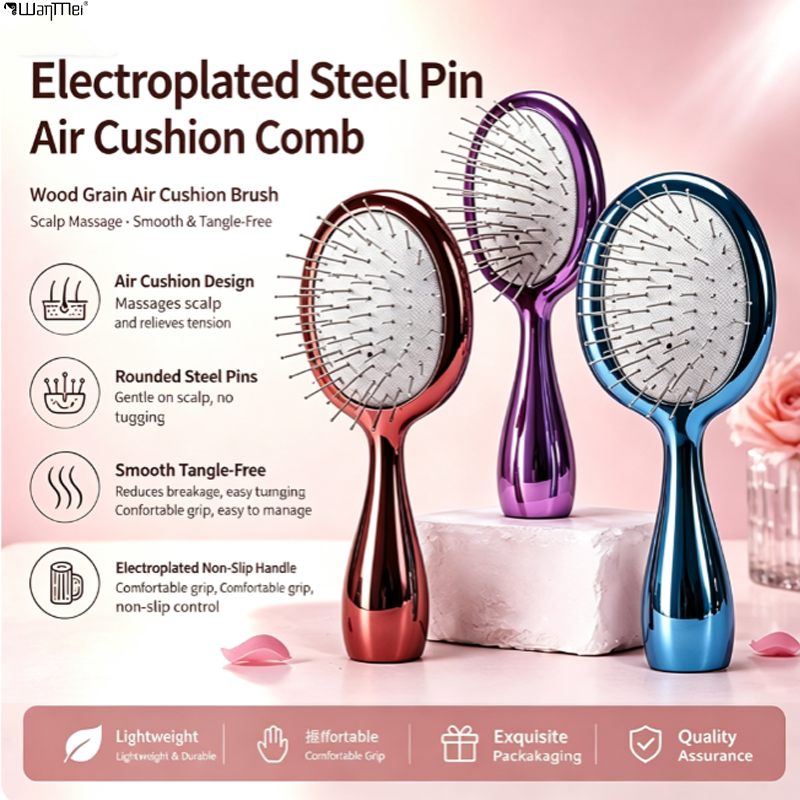
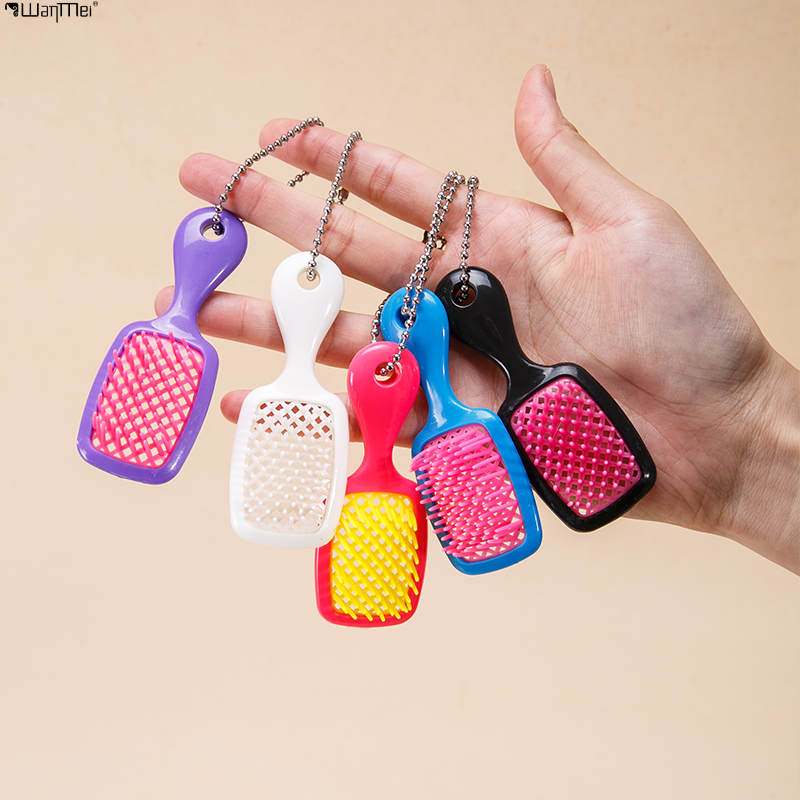
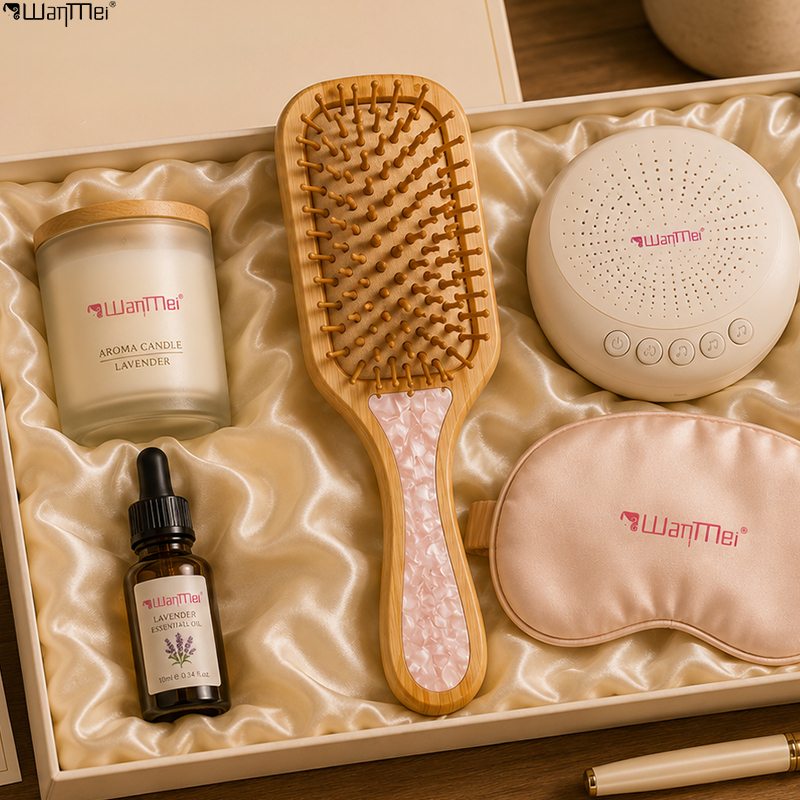
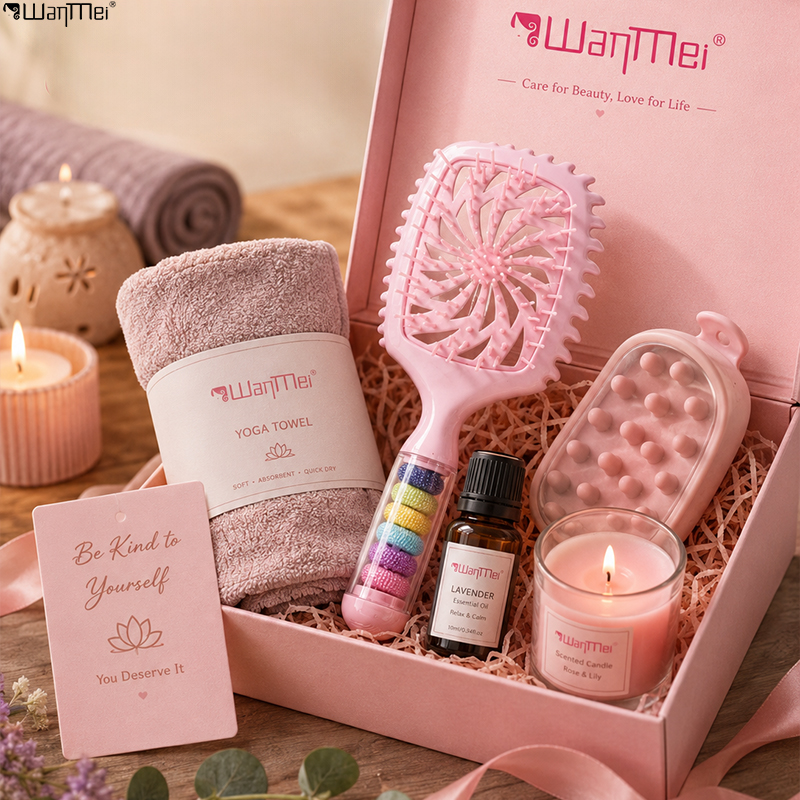
When it comes to hair care, most people focus on shampoos, conditioners, and styling products—yet the comb you use every day has a bigger impact on your hair health than you might think. For decades, plastic combs have been a staple in bathrooms worldwide, thanks to their low cost and easy availability. But in recent years, wooden combs have made a comeback, praised for their natural benefits and eco-friendly properties. So, wooden comb vs plastic comb: which one truly deserves a spot in your daily hair care routine? Let’s break down the key differences, benefits, and drawbacks to help you make an informed choice—backed by hair care science and real-world use.
1. Hair Health: Gentle Care vs Mechanical Damage
The most significant difference between wooden and plastic combs lies in how they interact with your hair and scalp. Wooden combs, typically crafted from bamboo, sandalwood, beech, or boxwood, have smooth, rounded teeth that glide effortlessly through hair without snagging or pulling. This gentle glide reduces friction, which is a major cause of hair breakage, split ends, and frizz. Unlike plastic combs, wooden options don’t create static electricity— a common issue with synthetic materials that leaves hair frizzy, unmanageable, and prone to breakage.
Plastic combs, on the other hand, often have sharp, uneven edges (especially cheaper models) that can scratch the scalp and tear hair cuticles. The triboelectric effect of plastic generates static, causing hair strands to repel each other and stand on end, making styling a hassle. Even high-quality plastic combs can’t match the friction-free experience of wood, and over time, repeated use can lead to cumulative hair damage, especially for those with dry, curly, or fragile hair.
2. Scalp Health: Massage & Nourishment vs Irritation
A healthy scalp is the foundation of healthy hair, and your comb plays a key role in maintaining it. Wooden combs have a natural, warm texture that gently massages the scalp as you comb, stimulating blood circulation to the hair follicles. This improved circulation delivers more nutrients to the roots, supporting stronger, healthier hair growth. Additionally, wooden combs absorb and distribute your scalp’s natural oils (sebum) evenly from root to tip, keeping hair moisturized, shiny, and less prone to dryness—no extra products needed.
Plastic combs, by contrast, are rigid and often harsh on the scalp. Their sharp edges can cause micro-scratches, leading to irritation, itchiness, and even dandruff if bacteria accumulate in the scratches. They also fail to distribute sebum effectively, leaving the scalp either overly greasy (at the roots) or dry (at the ends), creating an unbalanced hair environment.
3. Durability & Maintenance: Longevity vs Convenience
When it comes to durability, wooden combs have a clear advantage—when properly cared for. A well-crafted wooden comb made from high-quality wood (like sandalwood or bamboo) can last for years, even decades. Most wooden combs are treated with natural oils to resist moisture, though they do require minimal maintenance: avoid soaking them in water, dry them thoroughly after use, and occasionally reapply natural oil to keep the wood from drying out or warping.
Plastic combs are lightweight and low-maintenance—you can rinse them under water without worry—but they are far less durable. They can crack, bend, or snap if dropped, and exposure to sunlight can cause them to fade or become brittle over time. Cheaper plastic combs may also lose their shape with regular use, making them a short-term solution that needs frequent replacement.
4. Environmental Impact: Eco-Friendly vs Plastic Waste
In an era of increasing environmental awareness, the sustainability of your hair tools matters. Wooden combs are a eco-friendly choice: they are made from renewable, biodegradable materials, and when disposed of, they break down naturally without harming the planet. Bamboo combs, in particular, are highly sustainable, as bamboo grows quickly and requires no pesticides or fertilizers.
Plastic combs, by contrast, are made from non-renewable petroleum-based materials and are not biodegradable. Most plastic combs end up in landfills, where they can take hundreds of years to decompose, contributing to plastic pollution and harming wildlife. Even recyclable plastic combs often end up in landfills due to limited recycling infrastructure, making them a less sustainable option.
5. Cost: Investment vs Budget-Friendly
Price is a key consideration for many people, and here’s where plastic combs have an edge. Plastic combs are extremely affordable, often costing just a few dollars, and are widely available in grocery stores, drugstores, and online retailers. They are a great option if you’re on a tight budget or need a disposable comb for travel.
Wooden combs are more expensive upfront, ranging from $10 to $50 depending on the wood type and craftsmanship. However, their longevity makes them a better long-term investment—you’ll spend less money replacing a wooden comb than buying multiple plastic combs over time. For those prioritizing hair health and sustainability, the extra cost is well worth it.
Final Verdict: Which Comb Is Better for You?
There’s no one-size-fits-all answer, but for most people, a wooden comb is the superior choice. If you value hair health, scalp care, and sustainability, a wooden comb (especially bamboo or sandalwood) will gently nourish your hair, reduce damage, and minimize your environmental footprint. It’s ideal for all hair types—from straight to curly, thick to thin—and works especially well for those with dry or frizzy hair.
Plastic combs are a practical option if you need a cheap, low-maintenance tool for occasional use or travel. They’re also lightweight and easy to carry, making them convenient for on-the-go styling. However, they’re not ideal for daily use if you want to protect your hair and scalp.
At the end of the day, your comb choice should align with your priorities. If you’re ready to upgrade your hair care routine and invest in a tool that benefits both your hair and the planet, a wooden comb is the way to go. For budget-friendly convenience, a plastic comb will get the job done—but be prepared to replace it often and deal with occasional hair irritation.