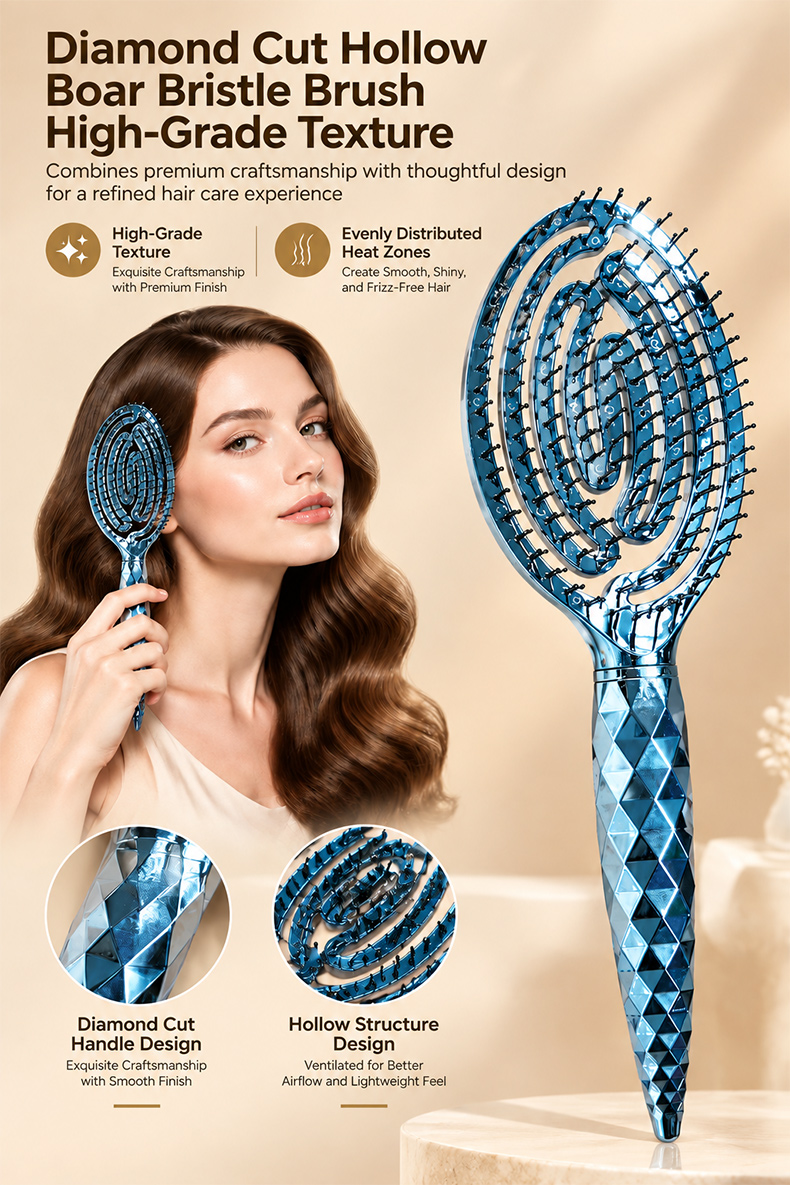
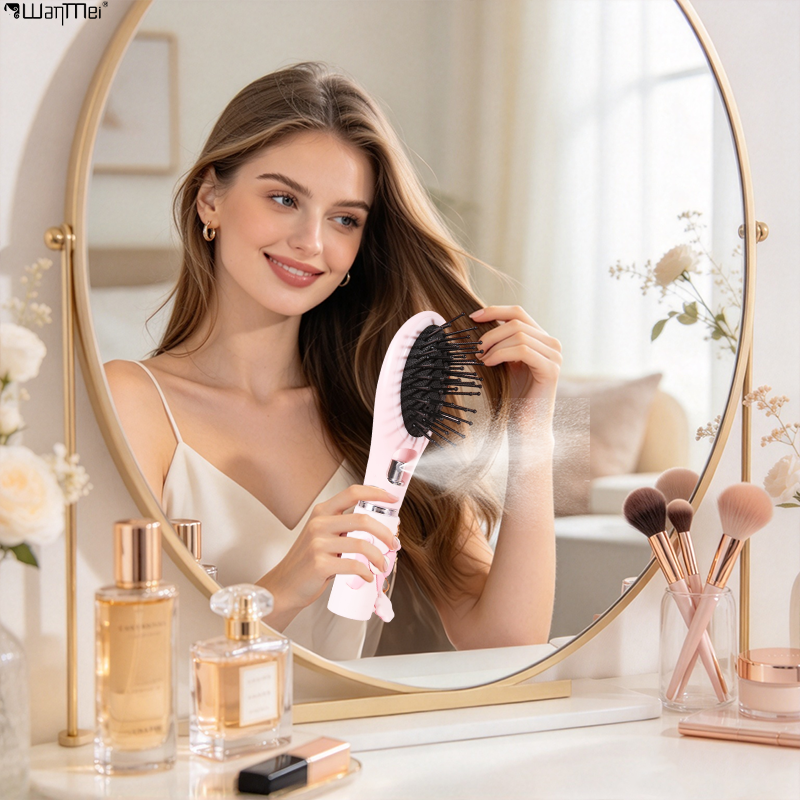
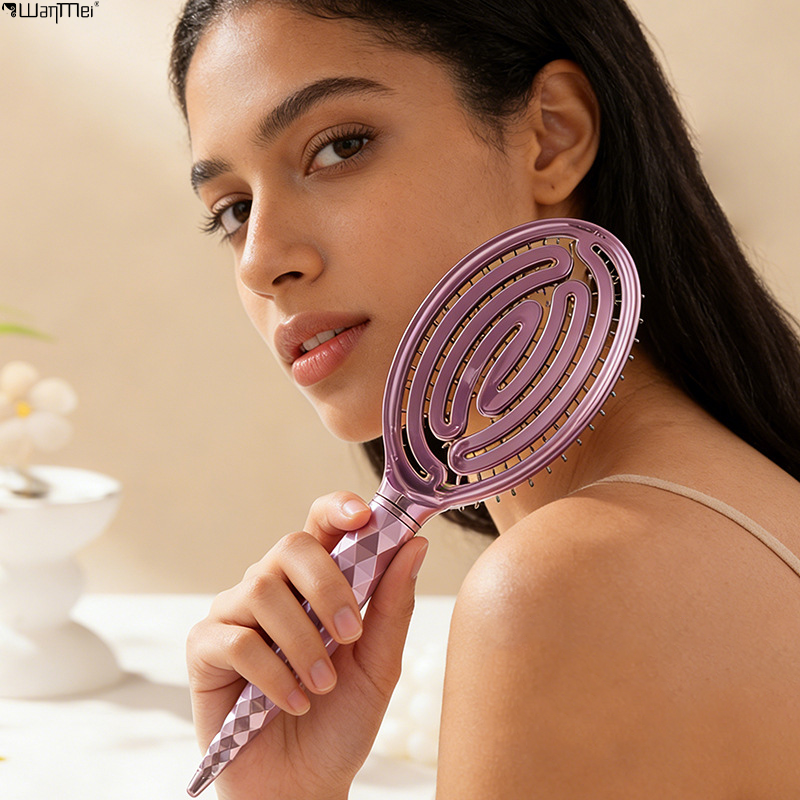
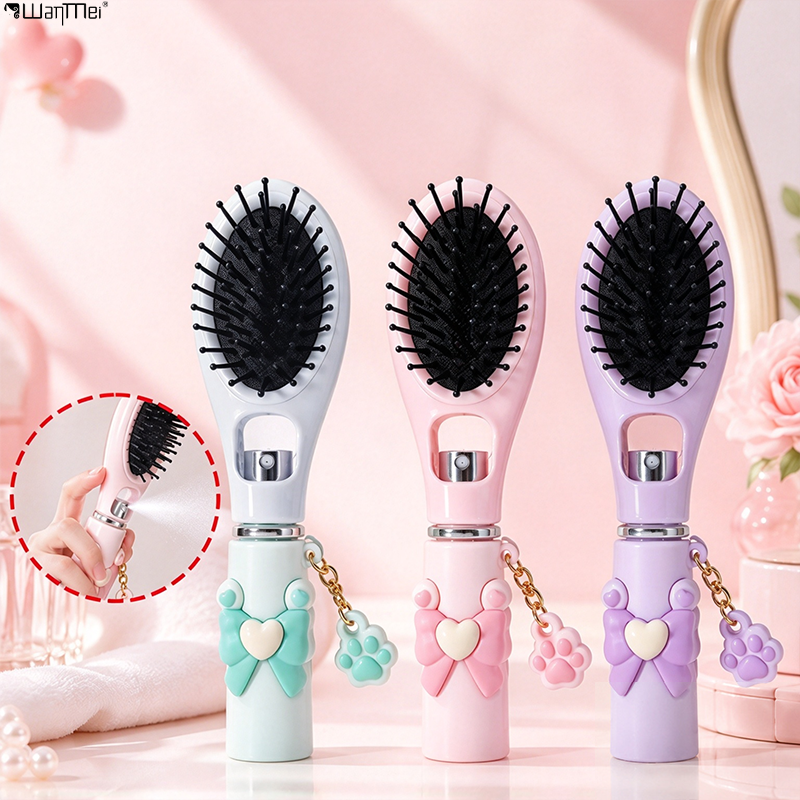
If you run an international beauty brand, salon supply store, hair care startup or e-commerce shop, private label hair combs are one of the most affordable, high-impact ways to expand your product lineup. Instead of building manufacturing capacity from scratch, you partner with an experienced factory to create combs printed, finished and packaged exclusively under your brand name. Reliable private label solutions remove production headaches, shorten your time-to-market, and let you focus on marketing, customer experience and growing your global audience. In this guide, we break down what private label hair comb services include, the customization options available, compliance requirements for cross-border sales, and how to select the right manufacturing partner for your brand.
What Private Label Hair Comb Services Actually Cover
Private label sits neatly between pure ODM and full OEM. You select proven, existing comb styles from the factory’s catalog, then layer on your branding and custom details. Unlike generic wholesale combs, every final piece carries your logo, brand colors and tailored packaging, so shoppers see it as your original product. Our integrated private label program covers the whole workflow from sample confirmation to export-ready shipment, backed by 17 years of hair tool manufacturing experience and a 15,000㎡ production facility designed for global brand orders.
A full private label package includes material selection, surface finishing, logo application, Pantone color matching, quality testing, custom packaging, inspection and documentation for international logistics. It works equally well for small-batch trial launches and large recurring bulk orders for Amazon, Shopify independent stores, salons and offline retail chains.
Wide Range of Customization Options for Global Markets
Material choice shapes your product positioning, safety rating and sustainability story, which matters more than ever for buyers across Europe, North America, Australia and Southeast Asia. Popular options include natural bamboo, sandalwood, horn, acetate, eco-friendly PLA, PCR recycled plastic and premium ABS. Each material carries different benefits: wooden and horn combs appeal to clean-beauty and eco-conscious buyers, while smooth acetate and heat-resistant plastic combs are favorites for professional salons and styling use.
For branding, multiple logo techniques fit different brand aesthetics. Laser engraving delivers a subtle, permanent premium look for wood and horn combs. Hot stamping creates eye-catching gold or silver metallic logos ideal for luxury lines. UV printing supports full-color graphics, and silk screen printing remains a cost-effective pick for large-volume orders. You can adjust tooth spacing, handle shape, surface texture and finish to target specific user groups: wide-tooth combs for curly hair, fine-tooth parting combs for stylists, anti-static pocket combs for travel and kids-safe rounded-tooth combs for family care ranges.
Packaging customization completes the brand experience. Options range from simple OPP polybags and header cards for marketplace listings, printed retail boxes and hang tags, to rigid gift boxes for premium sets. We can add barcodes, FBA-compliant labeling, multilingual care instructions and sustainability claims aligned with your regional market rules.
Compliance & Quality Assurance for Cross-Border Selling
Selling hair combs globally means meeting different regional safety standards, and non-compliance can lead to customs holds, product recalls or marketplace removal. Trusted private label manufacturers provide full test documentation including SGS material safety reports, BSCI factory audit certificates, FSC certification for wooden items and CPC certificates for children’s combs. All raw materials are screened for harmful chemicals, sharp edges and flaking prints, and finished products go through multi-stage inspection before packing.
Consistent quality control is especially critical when you ship to multiple countries. Every batch follows the approved sample standard, with pre-production samples signed off by your team before mass production starts. This avoids inconsistent texture, faded logos or rough comb teeth that would damage your brand reputation overseas.
Who Benefits Most from Private Label Hair Comb Solutions?
Private label is perfect for several types of global brands. First, early-stage hair care startups with limited capital can launch a branded comb collection without heavy mold investment or long development cycles. Second, established salon brands want to add complementary grooming tools to upsell alongside shampoos, conditioners and styling products. Third, e-commerce sellers on Shopify, Amazon and social commerce platforms constantly need fresh private label SKUs to test niche markets with low risk. Even large beauty groups use private label services to quickly roll out limited-edition comb collections for holiday promotions and regional campaigns.
The biggest advantage compared with developing fully custom OEM molds is flexible MOQ. For standard catalog styles with logo printing, minimum order quantities are far lower, letting you test demand in new countries before scaling up. Once a style proves popular in your target market, you can upgrade it to an exclusive OEM custom design later.
How to Start Your Private Label Hair Comb Project
The process is straightforward when you work with a one-stop manufacturer. First, share your brand positioning, target market, budget and sales channels. Our team will recommend suitable comb styles and materials matching your price tier. Second, confirm customization details: Pantone colors, logo artwork, printing method and packaging style. Third, we produce pre-production samples for your review and revision. After sample approval, mass production begins, followed by final inspection and packing. Once ready, we arrange shipment to your warehouse, Amazon fulfillment center or third-party logistics provider worldwide.
Lead times vary based on customization complexity. Simple logo-only private label orders usually take 25 to 35 working days after sample confirmation, while fully custom packaging projects take slightly longer. Clear communication and fixed spec sheets keep timelines predictable for your global launch schedule.