Combs are essential tools for daily hair care, yet few people realize that choosing the wrong material can not only affect the combing experience but also damage hair and the scalp. Common comb materials on the market include plastic, wood, horn, and bristle, which vary significantly in hardness, conductivity, smoothness, and other properties, making them suitable for different scenarios. This article will guide you to accurately match comb materials with 5 core use cases, helping you maximize hair care results with minimal effort.
Scenario 1: Daily Basic Combing – Pursue Gentleness & Hair Protection
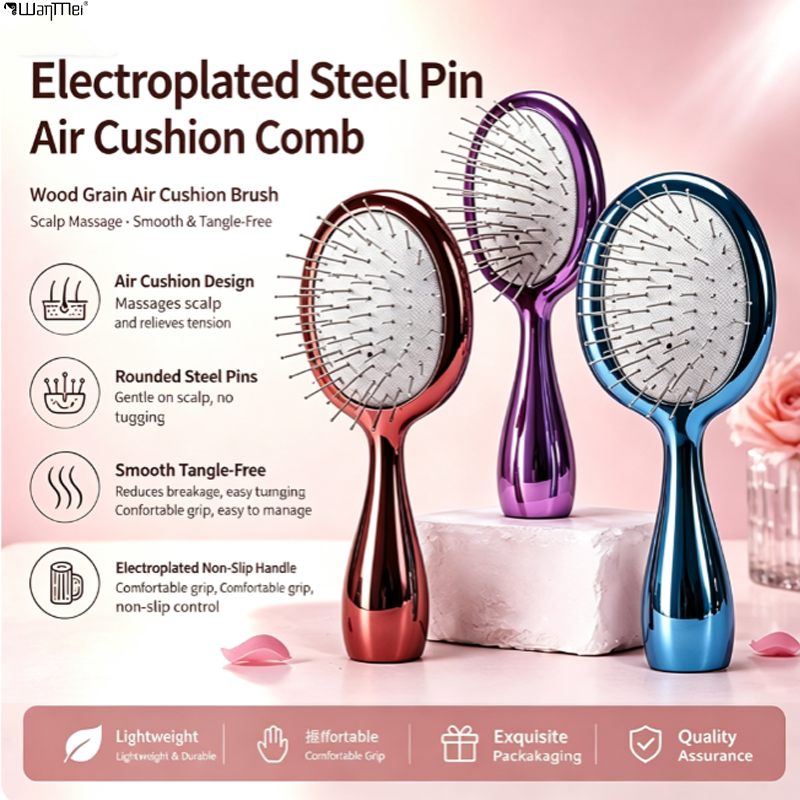
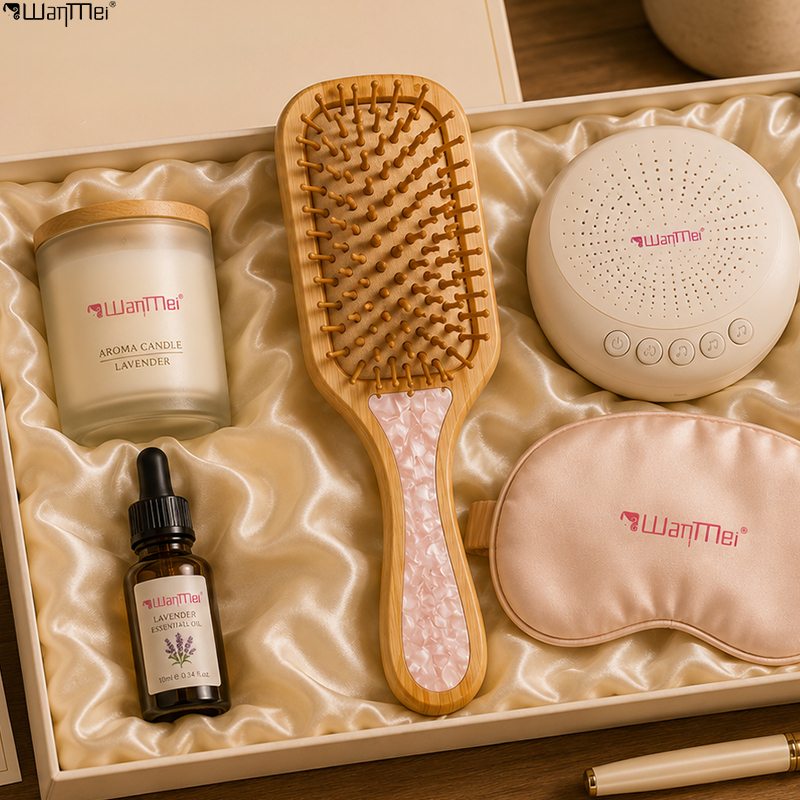
The core requirement for daily combing is gentle detangling, anti-static properties, and reduced hair breakage. Wooden combs and horn combs are the best choices here. Wooden combs (e.g., peach wood, sandalwood) have a smooth surface and moderate density, effectively reducing friction during combing to avoid damaging hair cuticles. Their natural material is non-conductive, making them particularly suitable for dry seasons to significantly reduce hair frizz caused by static electricity. Horn combs (e.g., water buffalo horn, cattle horn) contain natural oils that lightly nourish hair strands for a smoother finish. Additionally, their rounded teeth provide exceptional comfort when massaging the scalp, making them ideal for morning and evening use.
Avoidance Tip: Steer clear of cheap plastic combs. These often have burrs on the surface, which easily tangle and pull hair. They also generate static electricity, leading to frizzy, unruly hair and increased breakage with long-term use.
Scenario 2: Styling & Setting – Need Strong Support & Shaping Power
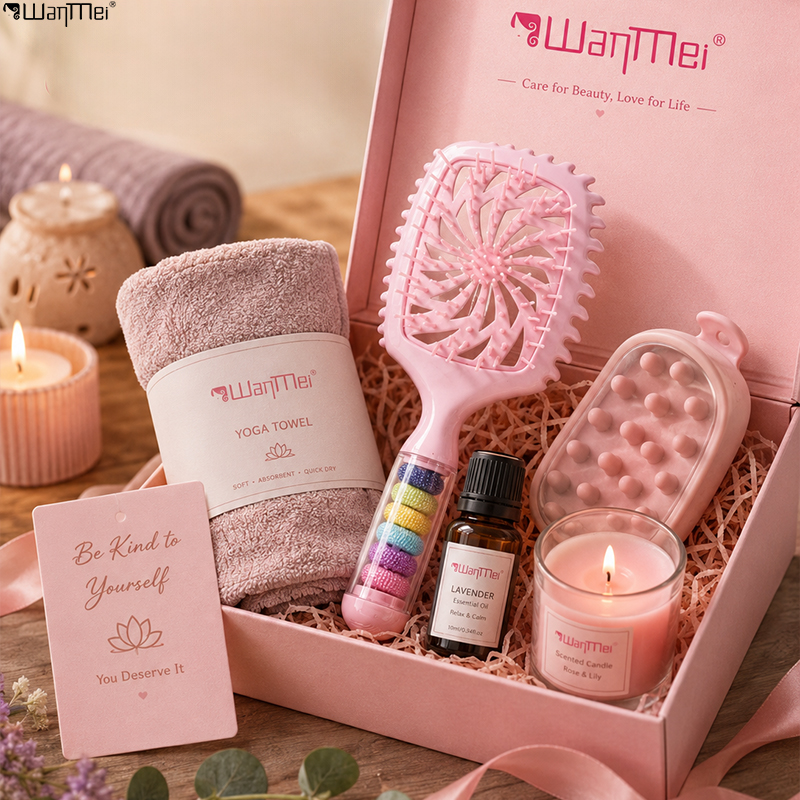
For styling (e.g., blow-drying curly hair, creating a voluminous crown), combs require sufficient hardness and support. Plastic combs and bristle brushes meet these needs. “Ribbed combs” (with row-shaped teeth) offer good breathability; when used with a hair dryer, hot air circulates quickly to create voluminous roots. Round-tipped plastic rollers are perfect for creating natural curls, as they are heat-resistant and won’t deform easily. Bristle brushes (especially boar bristle brushes) have dense, elastic teeth that smooth hair into a neat, sleek finish. They are often used to tame frizz and create polished updos or straight styles, making them ideal for fine hair during styling.
Scenario 3: Scalp Care – Focus on Massage & Cleansing
For scenarios like oily scalps, dandruff, or scalp relaxation, horn combs and silicone combs excel. The rounded edges of horn comb teeth promote blood circulation when massaging the scalp, relieving fatigue. Their material also has mild absorbency to remove excess oil from the scalp surface. Silicone combs feature soft, elastic teeth with rounded massage nodes that penetrate scalp gaps to clean dirt. They are suitable for both wet and dry use, making them perfect for use with shampoo during washing to avoid scratching the scalp with nails—especially for those with sensitive scalps.
Scenario 4: Travel Portability – Prioritize Lightweight & Durability
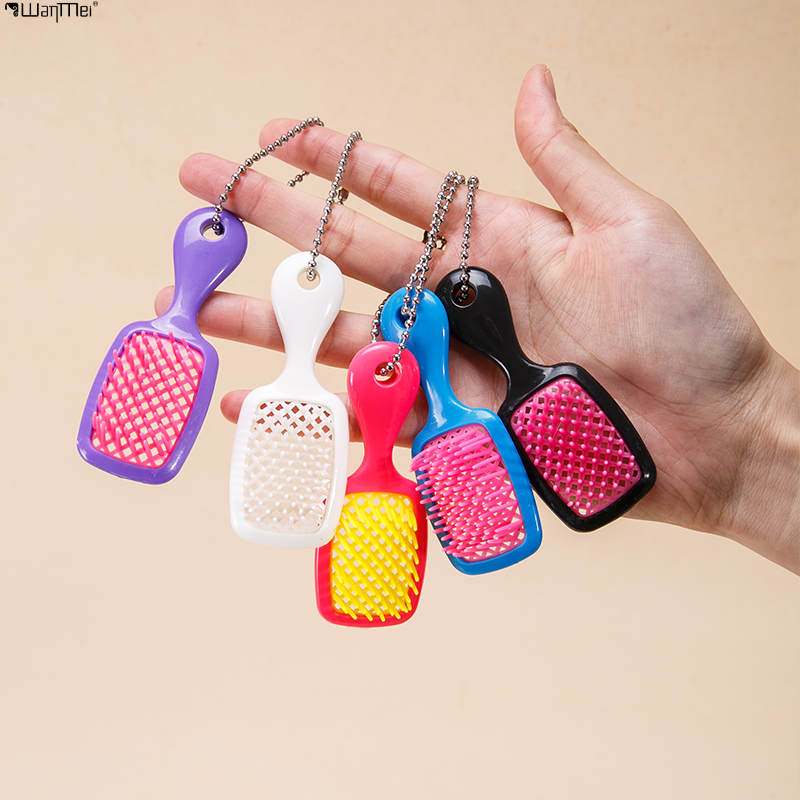
When traveling, combs need to be compact, lightweight, and durable. Foldable plastic combs and metal combs are top choices. Foldable plastic combs fit easily into makeup bags without taking up space and are shatterproof. High-quality options often have smoothed edges to minimize hair damage. Metal combs (e.g., titanium alloy, stainless steel) are extremely thin and lightweight, with smooth, rust-resistant teeth—ideal for frequent business travelers. However, avoid prolonged contact with water to prevent handle slippage.
Scenario 5: Special Hair Type Care – Precise Matching
For curly hair, frizzy hair, wigs, and other special hair types, choose targeted materials:
- Curly/Wooly Hair: Wide-tooth plastic or wooden combs are recommended. The wide spacing prevents tangling and preserves curl definition.
- Frizzy/Coarse Hair: Bristle brushes are preferred. Dense teeth tame frizz for smoother hair.
- Wigs/Extensions: Use specialized plastic combs with protective caps on the tooth tips to avoid snagging wig fibers or extension bonds.
Frequently Asked Questions
Q: How to distinguish genuine from fake horn combs?A: Genuine horn combs feel warm to the touch, with no burrs on the tooth edges. When held up to light, they show natural textures. Scratching the back with a fingernail won’t leave white marks, and they have a subtle natural horn scent (which fades with use).
Q: How often should combs be cleaned?A: Clean daily-use combs once a week. Soak them in warm water with a mild detergent for 5 minutes, then use a soft brush to remove hair and debris between the teeth. Avoid prolonged soaking of wooden and horn combs, and dry them promptly after cleaning.
Choosing the right comb material is equivalent to creating a tailored hair care routine. By matching comb materials to your specific needs, you can enhance the combing experience, reduce hair damage, and keep your hair healthy and shiny. If you’re still unsure which comb to choose, refer to the scenarios above to find your perfect match!