Hair breakage is a common frustration for anyone striving for long, healthy, and strong locks—and one of the most frequent culprits is improper combing. Many of us unknowingly damage our hair every time we run a comb through it, whether by using the wrong tool, brushing too hard, or styling at the wrong time. The good news is that hair breakage from combing is entirely preventable with simple, intentional habits. In this guide, we’ll break down the key causes of comb-related hair breakage and share actionable steps to keep your hair strong, smooth, and free from split ends and snags.
Why Does Combing Cause Hair Breakage?
Before we dive into solutions, it’s important to understand why combing often leads to breakage. Hair is most fragile when it’s wet, as water weakens the hydrogen bonds that hold hair strands together—making them 50% more prone to snapping. Using the wrong comb (e.g., a fine-tooth comb on thick, curly hair) or brushing from roots to ends can pull and tug at tangles, snapping fragile strands. Additionally, rough handling, over-brushing, or using damaged combs with sharp edges can irritate the hair cuticle, leading to split ends and breakage over time. Even small mistakes, like brushing too quickly or using excessive force, can add up and leave your hair looking thin and brittle.
The goal of combing isn’t just to detangle—it’s to gently smooth hair while preserving its strength. By addressing the root causes of breakage, you can transform your combing routine into a step that nourishes and protects your hair.
Key Tools: Choose the Right Comb to Prevent Breakage
The first step to preventing comb-related breakage is picking the right tool for your hair type. Using a comb that’s ill-suited for your hair will only increase tugging and snapping. Here’s how to choose the best comb for your locks:
1. Wide-Tooth Comb (Best for Wet Hair & Curly/Thick Hair)
A wide-tooth comb is a must-have for anyone prone to breakage, especially those with curly, coily, or thick hair. The widely spaced teeth glide through tangles without pulling, making it ideal for detangling wet hair (when hair is most fragile). Opt for a wide-tooth comb made of wood or plastic—avoid metal, which can be harsh on delicate strands.
2. Wooden Comb (Best for All Hair Types, Especially Fragile Hair)
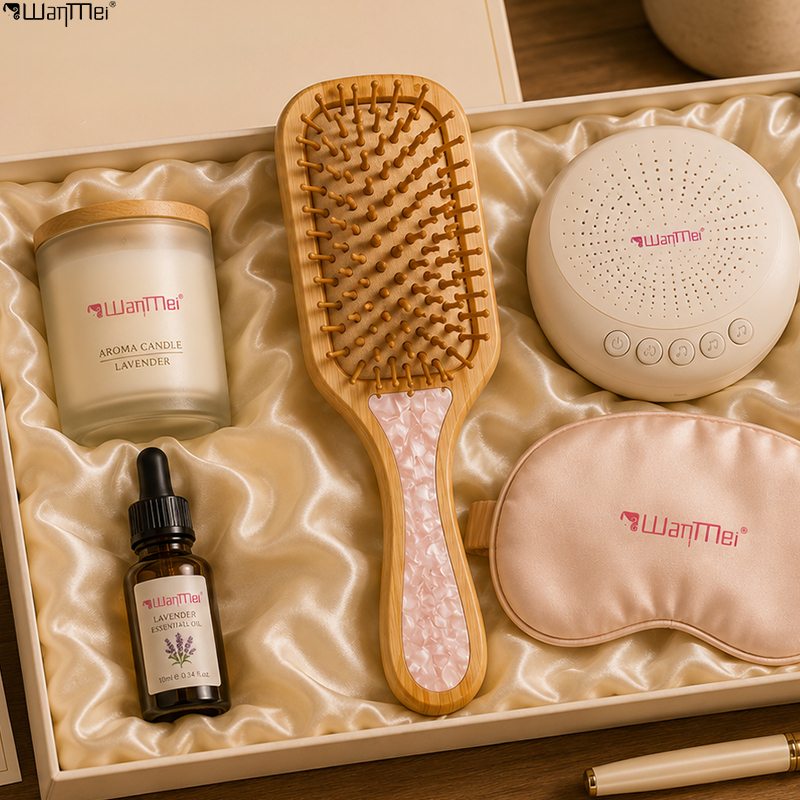
Wooden combs are anti-static, meaning they reduce flyaways and static cling that can lead to breakage. They also distribute natural scalp oils (sebum) evenly through the hair, nourishing the cuticle and making strands stronger. Wooden combs are gentle on the scalp and hair, making them perfect for those with thin, fragile, or color-treated hair.
3. Paddle Comb (Best for Long, Straight/Wavy Hair)
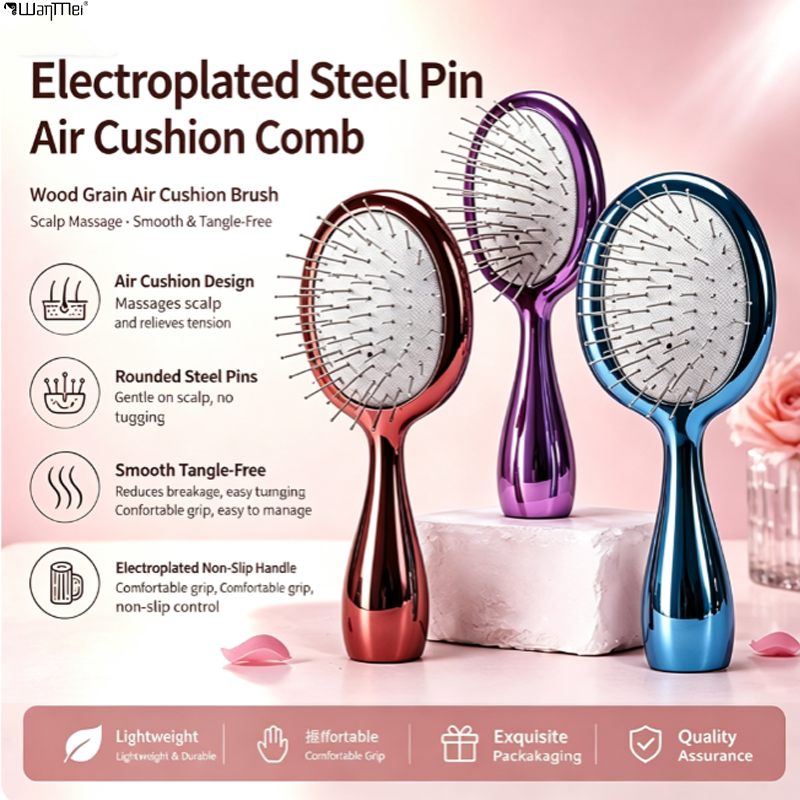
Paddle combs have a wide, flat design that covers large sections of hair at once, reducing the number of strokes needed to detangle. This minimizes friction and breakage, making them great for daily brushing of long, straight, or wavy hair. Look for a paddle comb with rounded teeth to avoid scratching the scalp or damaging hair strands.
Combs to Avoid
Steer clear of fine-tooth combs for detangling—their closely spaced teeth pull at tangles and snap hair, especially when used on wet or curly hair. Avoid combs with broken, sharp, or rough teeth, as these can snag and tear hair strands. Metal combs are also best avoided for daily detangling, as they conduct heat and can damage fragile hair.
Step-by-Step Guide: How to Comb Hair Without Breakage
Even with the right comb, improper technique can still cause breakage. Follow these steps to comb your hair gently and safely, no matter your hair type:
Step 1: Prep Your Hair (Dry or Damp—Never Soaking Wet)
Avoid combing hair when it’s soaking wet—this is when it’s most fragile. Instead, towel-dry your hair gently (pat, don’t rub) until it’s damp, or let it air-dry slightly. For extra protection, apply a leave-in conditioner, detangler spray, or hair oil (like argan or jojoba oil) to coat the hair cuticle and reduce friction. This creates a barrier that makes tangles easier to glide through.
Step 2: Start Detangling from the Ends
The biggest mistake people make is combing from the roots to the ends. This pulls tangles downward, snapping hair at the weakest points. Instead, start at the ends of your hair and work your way up to the roots. Gently glide the comb through the ends, detangling small sections at a time. If you hit a knot, hold the hair above the knot to reduce tension, then gently work the comb through—never yank or pull.
Step 3: Use Gentle, Slow Strokes
Rushing through combing increases the risk of tugging and breakage. Take your time, using slow, gentle strokes. For thick or curly hair, divide your hair into sections (2-4 sections) to make detangling easier and more thorough. This ensures you’re not pulling on large clumps of hair, which can cause breakage at the roots.
Step 4: Avoid Over-Combing
More combing doesn’t mean healthier hair—in fact, over-brushing can strip the hair of its natural oils, leaving it dry and brittle. For most hair types, combing once or twice a day is sufficient: once in the morning to detangle and style, and once at night to remove tangles before bed. Curly or coily hair may need less frequent combing to preserve curl definition and avoid breakage.
Additional Tips to Prevent Comb-Related Breakage
Beyond the right tools and technique, these habits will help keep your hair strong and reduce breakage when combing:
- Trim split ends regularly: Split ends travel up the hair strand, making it more prone to breakage. Trim your hair every 6-8 weeks to remove damaged ends and keep hair strong.
- Protect hair while sleeping: Tie your hair in a loose braid or use a silk pillowcase to reduce friction while you sleep. This prevents tangles that require harsh combing the next morning.
- Avoid heat styling before combing: Heat styling weakens hair, making it more prone to breakage. If you use heat tools, apply a heat protectant first, and let your hair cool completely before combing.
- Clean your comb regularly: Hair strands, product residue, and bacteria build up on combs over time, which can irritate the scalp and cause hair damage. Clean your comb weekly with mild soap and water (avoid soaking wooden combs) and dry it thoroughly.
- Be gentle with wet hair: If you must comb wet hair, use a wide-tooth comb and extra leave-in conditioner. Avoid pulling or twisting hair, and pat it dry instead of rubbing with a towel.
Common Mistakes That Cause Hair Breakage When Combing
Even with good intentions, small mistakes can lead to breakage. Steer clear of these common pitfalls:
- Combing soaking wet hair without protection (leave-in conditioner or detangler).
- Using a fine-tooth comb to detangle thick, curly, or wet hair.
- Brushing from roots to ends, which pulls tangles and snaps hair.
- Using excessive force to work through knots.
- Over-combing, which strips hair of natural oils.
- Using damaged or dirty combs with sharp edges.
Final Thoughts
Preventing hair breakage when combing is all about being gentle, using the right tools, and following a few simple steps. By choosing a comb that’s suited for your hair type, detangling from the ends up, and treating your hair with care, you can keep your strands strong, smooth, and free from breakage. Remember, your hair is delicate—small changes to your combing routine can make a big difference in its health and appearance.
Whether you have curly, straight, thick, or thin hair, these tips will help you comb your hair without causing damage. With consistent care, you’ll notice fewer split ends, less breakage, and hair that looks and feels healthier than ever before.