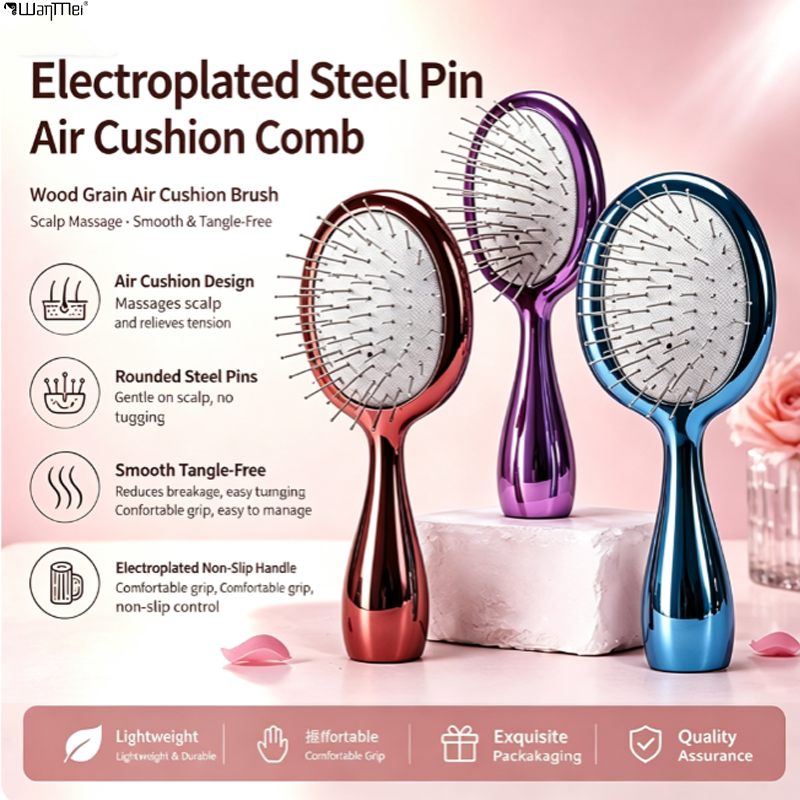
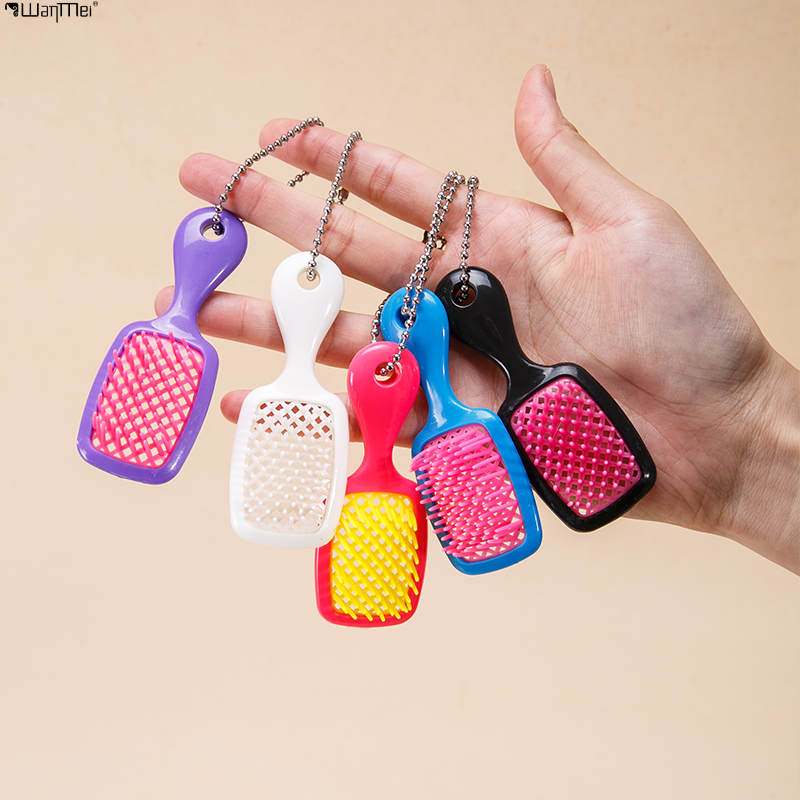
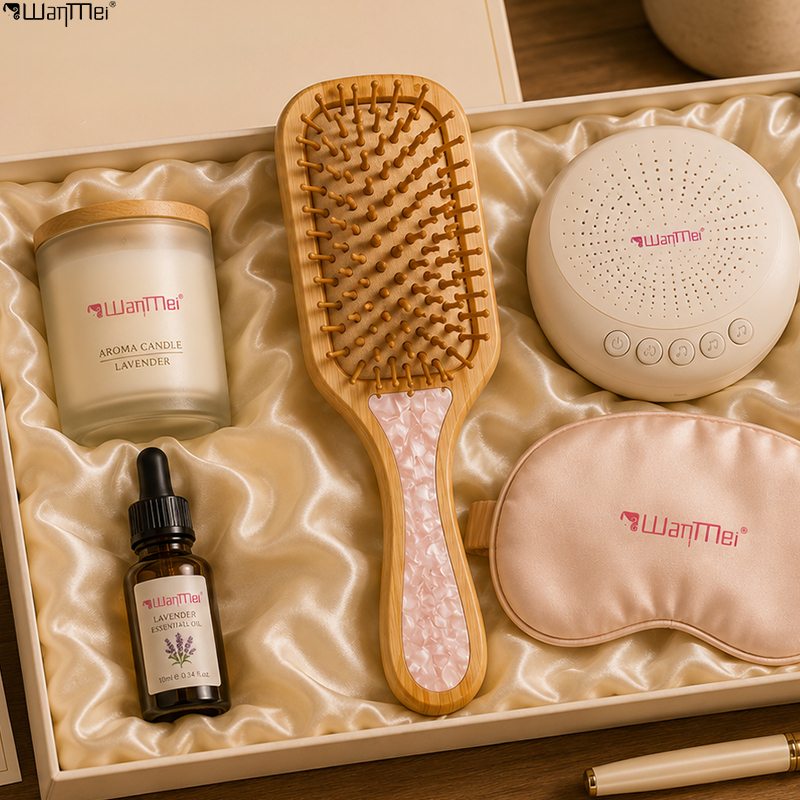
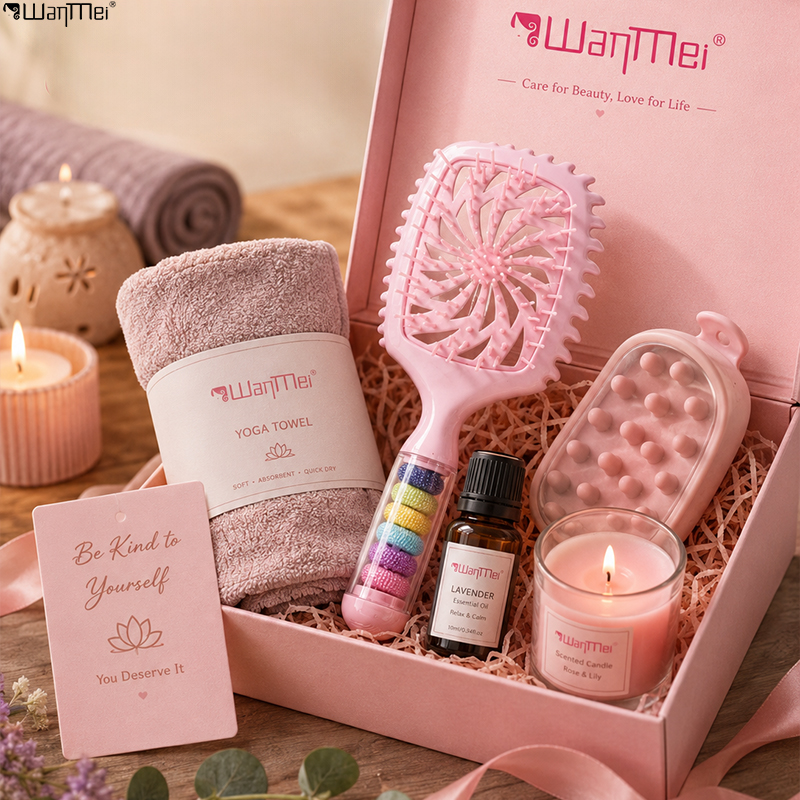
Choosing the right hair comb is more than just a matter of style—it’s a key part of maintaining healthy, manageable hair. With so many types of hair combs available, each designed for specific hair types, lengths, and styling needs, it’s easy to feel overwhelmed. Do you need a wide-tooth comb for detangling, a fine-tooth comb for smoothing, or a styling comb for creating sleek looks? Understanding the differences between each type will help you pick the perfect tool for your hair routine, reduce breakage, and achieve your desired style effortlessly. In this complete guide, we’ll break down the most common types of hair combs, their uses, and how to choose the right one for your hair.
Why the Right Comb Matters for Your Hair Health
Many people underestimate the impact of a comb on their hair health. Using the wrong comb can lead to excessive hair breakage, split ends, scalp irritation, and even tangles that are hard to fix. For example, using a fine-tooth comb on wet, curly hair can snap fragile strands, while a wide-tooth comb may not smooth straight hair effectively. The right comb, on the other hand, gently detangles, distributes natural scalp oils (sebum) evenly through the hair, and helps maintain your hair’s natural texture. Whether you have thick, thin, curly, straight, long, or short hair, there’s a comb tailored to your needs—and this guide will help you find it.
The Most Common Types of Hair Combs (and Their Uses)
From detangling to styling, each type of hair comb serves a unique purpose. Below are the most popular options, along with details on who they’re best for and how to use them.
1. Wide-Tooth Comb
The wide-tooth comb is a staple in every hair care routine, and for good reason. As the name suggests, it features widely spaced teeth that glide through hair without pulling or snagging. This makes it ideal for detangling wet hair—when hair is most fragile and prone to breakage. It’s also perfect for curly, coily, or thick hair, as the wide gaps between teeth can navigate through tight curls without disrupting their shape.
Best for: Curly, coily, thick, or long hair; detangling wet hair; distributing conditioner evenly. How to use: Start from the ends of your hair and work your way up to the roots to avoid tangling. For curly hair, use it gently to preserve curl definition.
2. Fine-Tooth Comb (Rat-Tail Comb)
Fine-tooth combs have closely spaced teeth, making them perfect for smoothing hair, creating precise parts, and removing small tangles. Many fine-tooth combs also feature a thin, pointed “rat-tail” handle, which is great for sectioning hair during styling (e.g., braids, updos, or bangs). Unlike wide-tooth combs, they’re not ideal for detangling thick or curly hair, as the tight teeth can pull and break strands.
Best for: Straight, thin, or short hair; creating parts; smoothing hair after styling; sectioning hair for braids or updos. How to use: Use the rat-tail end to create clean parts, then run the fine teeth through hair to smooth flyaways and achieve a sleek look. Avoid using on wet, tangled hair.
3. Paddle Comb
Paddle combs have a wide, flat base with closely spaced teeth, resembling a paddle. They’re designed to cover large sections of hair at once, making them perfect for brushing long, straight, or wavy hair. The flat design helps smooth hair and distribute scalp oils evenly, leaving hair shiny and manageable. Paddle combs are also gentle on the scalp, as they don’t apply too much pressure.
Best for: Long, straight, wavy, or thick hair; daily brushing; smoothing hair. How to use: Brush from roots to ends in long, gentle strokes to detangle and smooth. For thick hair, divide hair into sections to ensure even brushing.
4. Styling Comb (Teasing Comb)
Styling combs, also known as teasing combs, have a narrow, pointed end and closely spaced teeth (often with a section of shorter teeth). They’re specifically designed for styling—whether you’re teasing hair for volume, creating updos, or smoothing small sections. The pointed end helps with precise sectioning, while the teeth are perfect for backcombing (teasing) to add volume at the roots.
Best for: All hair types (for styling); adding volume; creating updos, braids, or sleek looks. How to use: Use the pointed end to section hair, then use the teeth to backcomb small sections at the roots for volume. For a sleek look, run the comb gently over the top layer of hair to smooth.
5. Beard Comb (Mustache Comb)
While technically designed for facial hair, beard combs are also great for short hair, bangs, or baby hair. They’re small, with fine or medium teeth, and are lightweight and easy to carry. Beard combs are gentle on delicate hair and help keep short hair neat and tidy. They’re also ideal for distributing beard oil or balm, just like they distribute scalp oil for head hair.
Best for: Short hair, bangs, baby hair; facial hair (beards, mustaches). How to use: Gently comb through short hair or bangs to keep them neat. For beards, comb from root to tip to detangle and distribute oil.
6. Wooden Comb
Wooden combs are a popular choice for those looking for a natural, gentle option. They’re made from materials like sandalwood, bamboo, or peach wood, and are anti-static—meaning they reduce flyaways and static cling. Wooden combs also distribute scalp oils evenly, nourishing hair and leaving it shiny. They’re gentle on the scalp and hair, making them ideal for sensitive scalps or fragile hair.
Best for: All hair types (especially sensitive scalps, fragile hair, or those prone to static); daily use. How to use: Use like a regular comb—gentle strokes from roots to ends. Avoid getting wooden combs too wet (they’re porous and can warp).
7. Metal Comb
Metal combs are durable and heat-resistant, making them perfect for use with heat styling tools (e.g., hair dryers, straighteners). They have smooth, polished teeth that glide through hair easily, but they can be harsh on wet hair—so it’s best to use them on dry hair. Metal combs are also great for creating sleek, straight looks, as they help smooth hair effectively.
Best for: Straight hair; heat styling; creating sleek looks. How to use: Use on dry hair to smooth and style. Pair with a hair dryer for a sleek, polished finish. Avoid using on wet or fragile hair.
How to Choose the Right Comb for Your Hair Type
Now that you know the different types of combs, how do you pick the right one? Here’s a quick guide based on hair type:
- Curly/Coily Hair: Wide-tooth comb or wooden comb (gentle detangling, preserves curl definition).
- Straight Hair: Paddle comb, fine-tooth comb, or metal comb (smoothing, daily brushing).
- Thick Hair: Wide-tooth comb or paddle comb (covers large sections, detangles easily).
- Thin/Fragile Hair: Wooden comb or fine-tooth comb (gentle, reduces breakage).
- Short Hair/Bangs: Beard comb or fine-tooth comb (neat, precise styling).
- Wet Hair: Only wide-tooth comb (avoids breakage).
Tips for Maintaining Your Hair Combs
To keep your combs in good condition and ensure they last, follow these simple tips:
- Clean your comb regularly: Remove hair strands after each use, and wash with mild soap and water (avoid soaking wooden combs).
- Dry combs thoroughly after washing to prevent mold or warping (especially wooden combs).
- Store combs in a dry, clean place—avoid humid environments (like the bathroom) when possible.
- Replace combs when they show signs of wear (e.g., broken teeth, rough edges) to avoid damaging your hair.
Final Thoughts
The right hair comb can transform your hair routine—reducing breakage, keeping your hair manageable, and helping you achieve your desired style. By understanding the different types of combs and their uses, you can pick the perfect tool for your hair type and needs. Whether you’re detangling wet curls, smoothing straight hair, or styling an updo, there’s a comb designed to make the process easier and gentler on your hair.
Invest in a few key combs (a wide-tooth comb for detangling, a paddle comb for daily brushing, and a styling comb for special looks) to cover all your hair care needs. With proper care, your combs will last for years, helping you maintain healthy, beautiful hair.