Brushing your hair is a daily “small ritual,” but you might never have realized: the material of a comb can directly affect scalp health, hair condition, and even your looks! Plastic combs are the go-to choice for most people due to their low cost and portability, but the gap between them and natural combs (wooden combs, horn combs, jade combs, etc.) is far more than just “anti-static vs. not.” Today, we’ll explore the core differences to help you choose a “scalp-friendly” comb.
1. Anti-Static: A Basic Advantage of Natural Combs, a Major Flaw of Plastic Combs
Brushing with a plastic comb in dry seasons leaves hair frizzy—even sticking to your face or floating around. This is because plastic generates static electricity easily when rubbed. Static not only messes up your hairstyle but also irritates the scalp’s stratum corneum, leading to dryness and itching. Over time, it can damage hair cuticles, robbing hair of its luster.
Natural combs (especially wooden and horn varieties) are inherently conductive, quickly dissipating electric charges to reduce static at the source. For example, peach wood and boxwood combs contain natural oils, minimizing friction with hair. They not only avoid static but also leave hair smoother and more manageable. This is an “innate advantage” plastic combs can never match.
2. Material Safety: Natural Combs Are “Additive-Free,” Plastic Combs Hide Risks
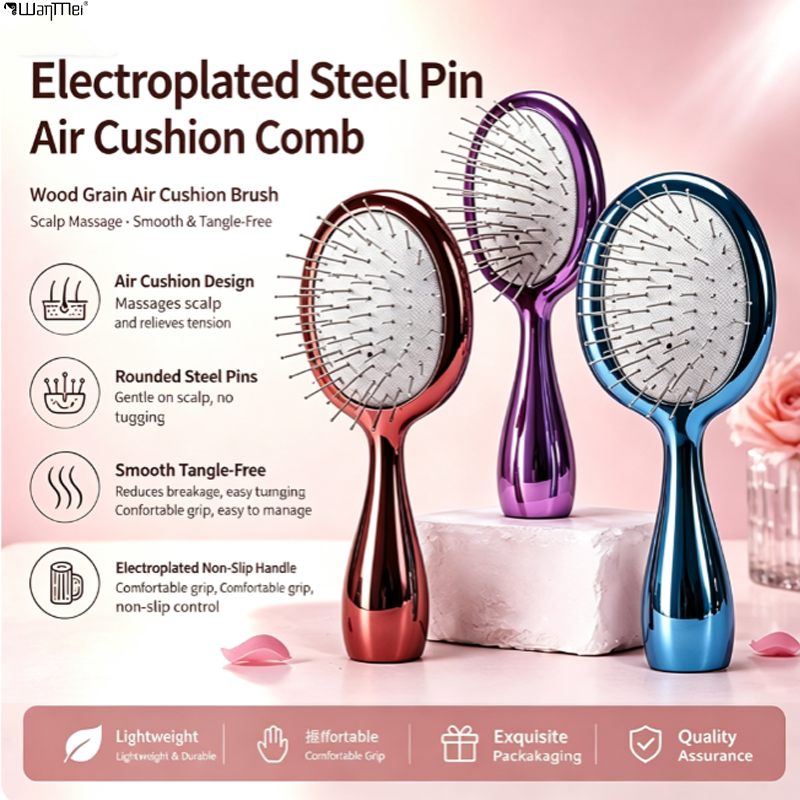
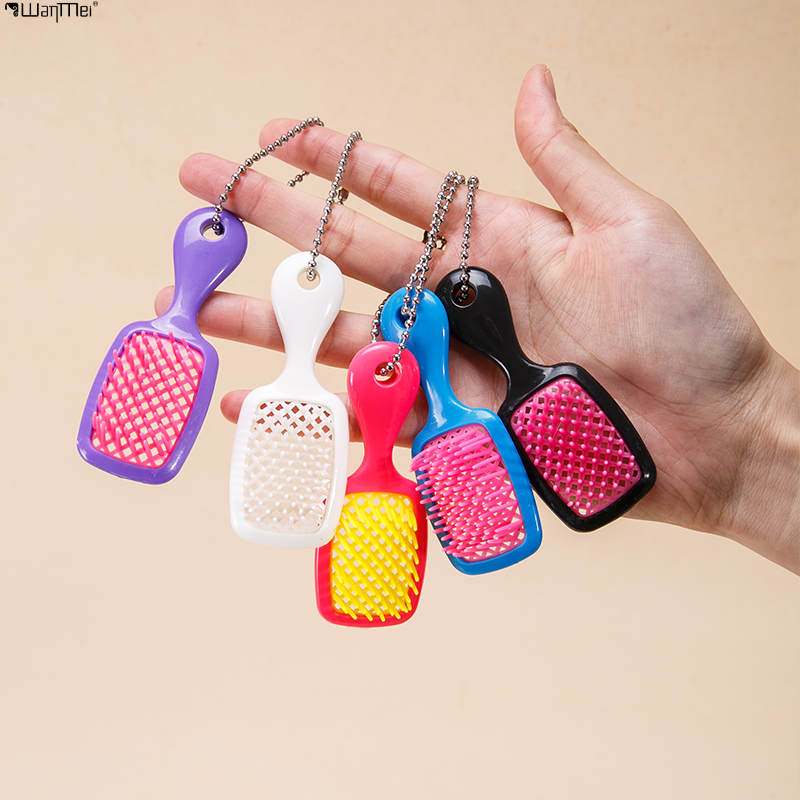
Plastic combs are mostly made of synthetic resins and plastic particles. Some cheap products may contain harmful substances like formaldehyde and plasticizers. With long-term use, these chemicals can seep through scalp pores, triggering sensitivity, redness, and even worsening acne or dandruff. More notably, plastic combs develop cracks and burrs over time, which can scratch the scalp, creating tiny wounds and increasing the risk of bacterial infection.
Natural combs are a world apart:
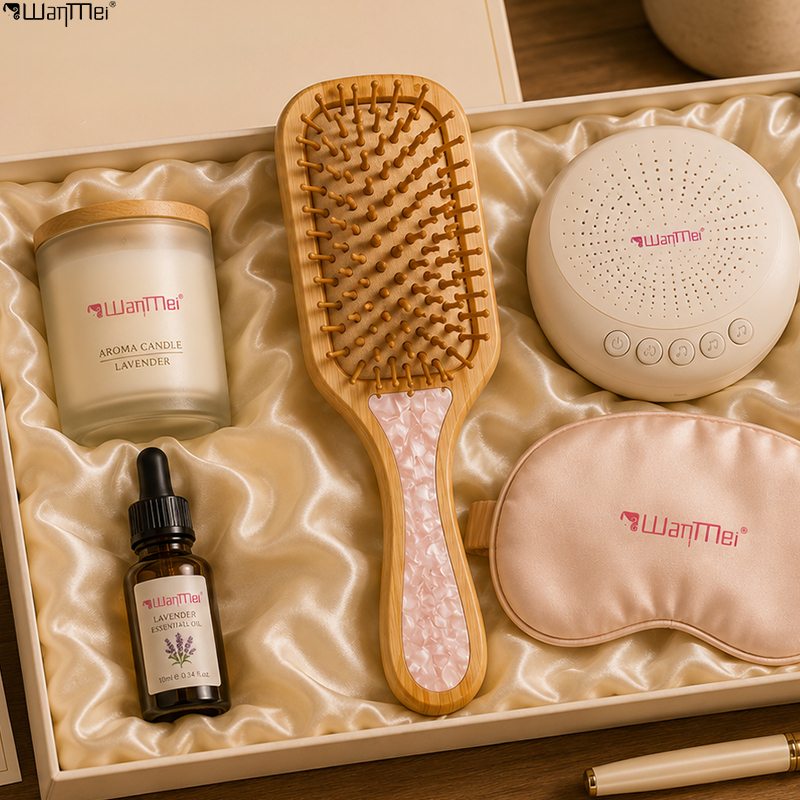
- Wooden combs (peach wood, sandalwood, boxwood) are crafted from natural timber, with a subtle woody scent and natural oils—gentle and non-irritating, perfect for sensitive scalps.
- Ox horn and goat horn combs contain natural keratin, similar to human hair components. They not only don’t irritate the scalp but also provide mild nourishment.
- Jade combs are smooth and cool to the touch, relieving scalp heat—ideal for summer use.
These natural materials are free of chemical additives, offering maximum safety.
3. Scalp Massage: Natural Combs Are “Massagers,” Plastic Combs Are “Rough Pullers”
One of the core benefits of brushing is promoting blood circulation and relaxing head nerves. However, plastic combs are hard, with sharp teeth (even rounded tips feel stiff). Brushing with them is more like “pulling hair”—failing to massage and potentially tugging at hair roots, worsening hair loss.
Natural combs have teeth finely polished for warmth and elasticity:
- Wooden comb teeth feature natural textures, soft to the touch, fitting the scalp’s curves to gently press acupoints.
- Horn combs are dense and flexible, with rounded teeth that massage like fingers, effectively boosting blood circulation and relieving scalp tension.
Using a natural comb daily is like giving your scalp a “free SPA,” improving the environment for hair growth.
4. Hair Protection: Natural Combs “Nourish,” Plastic Combs “Damage”
The hard texture and high friction of plastic combs directly damage hair cuticles—the “protective layer” of hair. Long-term friction causes cuticles to lift and fall off, leaving hair dry, split, and brittle—hard to repair even with frequent conditioning.
Natural combs minimize cuticle damage:
- Wooden combs’ natural oils lightly nourish strands, keeping cuticles smooth.
- Horn combs’ keratin interacts with hair, enhancing tensile strength.
Many users notice fewer splits, shinier hair, and natural smoothness (even without conditioner) after switching to natural combs.
5. Cleaning Ease: Natural Combs Are Low-Maintenance, Plastic Combs Trap Grime
Plastic comb teeth gaps easily accumulate oil, dandruff, and dust. Due to poor breathability, these residues breed bacteria, “contaminating” the scalp during use. In contrast, natural combs (especially wooden ones) have tiny pores for breathability, resisting residue buildup. A quick rinse with water and towel dry is all it takes—more convenient and hygienic.
Buying Guide: Choose the Right Natural Comb for Doubled Scalp Health
- Sensitive scalp: Opt for boxwood or peach wood combs—soft and non-irritating.
- Oily scalp/dandruff: Ox horn combs are ideal—naturally antibacterial and oil-regulating.
- Hair nourishment: Sandalwood combs are top picks—with a natural fragrance and nourishing properties.
Red Flags to Avoid:
- Steer clear of cheap plastic combs (especially those with odors or easy deformation).
- For natural combs, choose unvarnished, unwaxed options to avoid chemical coating irritation.
Conclusion: A Good Comb Guards Scalp Health
Plastic combs’ “convenience” comes at the cost of scalp health and hair quality. Natural combs’ “gentleness” cares for the scalp and nourishes hair in subtle ways. Instead of splurging on shampoos and conditioners, start with a natural comb—after all, a healthy scalp is the foundation of beautiful hair.