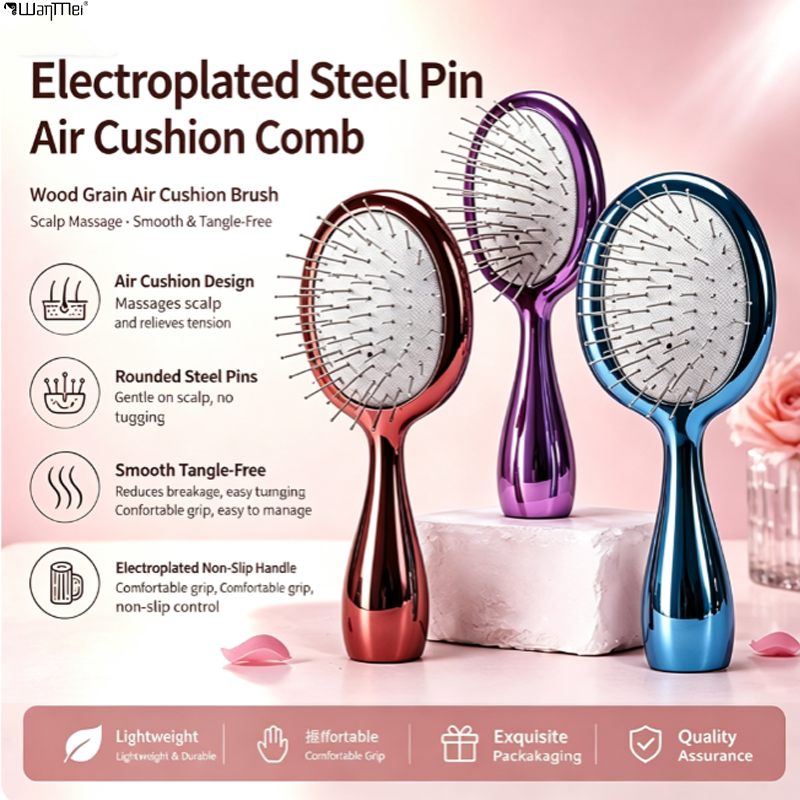
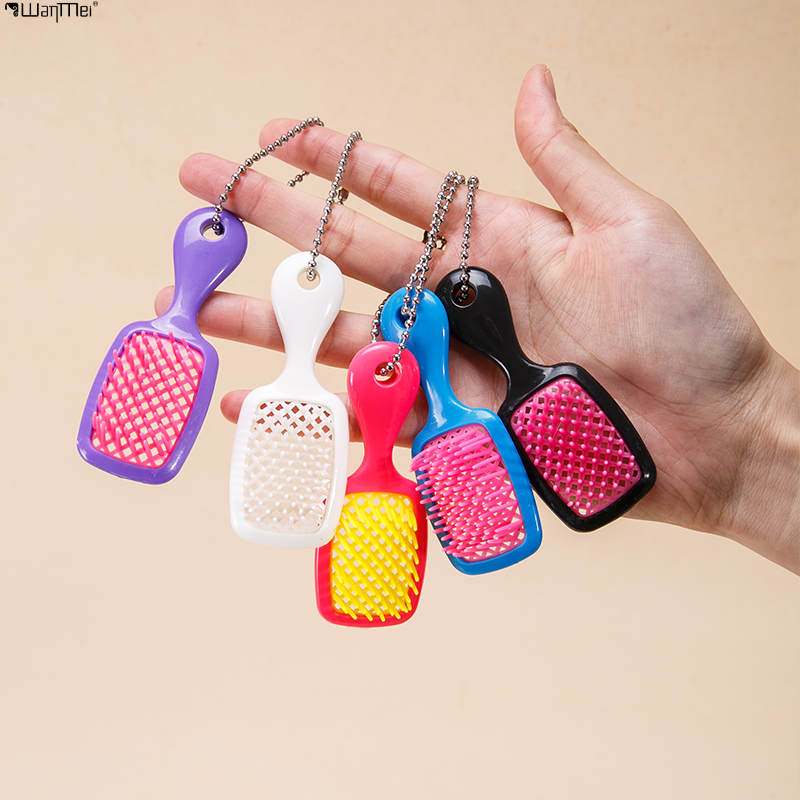
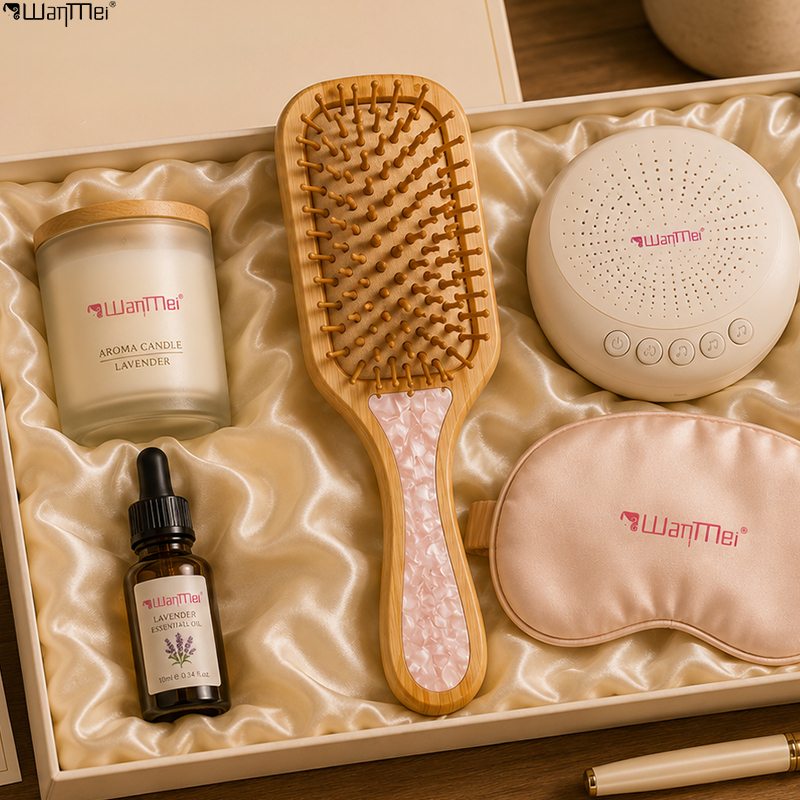
In daily life, plastic combs are the go-to grooming tool for most people due to their low cost, lightweight durability, and diverse designs. However, as health awareness grows, an increasing number of people are questioning: can plastic combs, which come into daily contact with the scalp, cause harm? This concern is not unfounded— the answer requires a comprehensive analysis of material properties, scientific research, and practical usage scenarios. This article will break down the link between plastic combs and scalp health from a scientific perspective, helping you uncover the truth behind the issue.
First, it is crucial to clarify: not all plastic combs are harmful to the scalp. The key factors lie in the comb’s material grade, usage method, and the scalp’s inherent sensitivity. Most plastic combs we encounter daily are made from materials such as polyethylene (PE), polypropylene (PP), polyvinyl chloride (PVC), or ABS plastic, with significant variations in safety across these materials.
From a scientific standpoint, the potential harms of plastic combs to the scalp are concentrated in three key areas, each supported by clear principles or research:
1. Risk of Harmful Substance Leaching from Low-Quality Plastics
Some low-cost plastic combs use recycled plastics or raw materials containing plasticizers like phthalates— substances classified as environmental endocrine disruptors. A 2021 study published in Environmental Science & Technology found that when phthalates are in long-term contact with human skin (especially the scalp, a region rich in sebaceous glands), they can penetrate the skin and accumulate in the body. Over time, this may disrupt normal scalp metabolism and even trigger allergic reactions such as itching and redness. The penetration rate of these harmful substances increases significantly when the scalp has micro-wounds (e.g., accidental scratches from combing, or breaks caused by seborrheic dermatitis), exacerbating irritation.
2. Static Electricity Generation Disrupts Scalp Microenvironment Balance
In dry conditions, friction between plastic, hair, and the scalp generates static electricity— a physical phenomenon known as electrostatic induction. Research from the American Academy of Dermatology indicates that static electricity on the scalp surface disrupts the skin’s water-oil balance:
- On one hand, static electricity attracts moisture and oils from the scalp, leading to dryness and itching— a discomfort that is more pronounced for those with naturally dry scalps.
- On the other hand, the tiny electric currents from static electricity interfere with the normal physiological functions of scalp hair follicles. Long-term exposure may impair healthy hair growth, resulting in dry, frizzy, and easily breakable hair.
In contrast, combs made from natural materials like wood or horn have better electrical conductivity, producing almost no static electricity and causing minimal irritation to the scalp.
3. Hygiene Dead Zones Foster Bacterial Growth, Triggering Scalp Infections
Gaps between comb teeth and joints on the comb back easily trap hair, oil, and dust. The dense nature of plastic prevents rapid moisture evaporation, creating a warm, humid environment— an ideal breeding ground for bacteria and fungi. A 2023 microbial testing study on daily personal care tools revealed that plastic combs used for over 3 months without thorough cleaning can harbor more than 1,000 colony-forming units (CFU) of bacteria per square centimeter, including common pathogens such as Staphylococcus aureus and Malassezia. These bacteria repeatedly come into contact with the scalp during combing. When scalp immunity declines, they may cause conditions like folliculitis and seborrheic dermatitis, characterized by scalp pimples, excessive oil production, and worsening dandruff.
It is important to emphasize that high-quality, compliant plastic combs (e.g., those made from food-grade PP or PE) leach negligible amounts of harmful substances under normal use, meeting the requirements of national standards for the safe use of consumer goods. For healthy individuals, such combs pose essentially no risk to the scalp. The real dangers stem from three-no inferior products (no brand, no standard, no certification), long-term neglect of cleaning, and individual differences in those with sensitive scalps.
How to Use Plastic Combs Safely and Mitigate Potential Risks?
- Prioritize Quality Products: Choose plastic combs from reputable brands that are labeled “food-grade material” or “phthalate-free.” Avoid extremely low-priced products with a pungent odor.
- Maintain Regular Cleaning: Soak the comb in warm water with neutral detergent for 10 minutes weekly, use a small brush to clean debris from gaps, and allow it to fully dry before reuse. Never store the comb in a damp environment.
- Reduce Static Electricity: In dry seasons, spray a small amount of moisturizing mist on hair before combing to minimize static. If persistent itching or redness occurs, switch to a comb made from natural materials (e.g., wood or horn) and consult a professional to address underlying scalp issues.
Conclusion
Plastic combs are not a bogeyman. Their potential harm to the scalp stems from low-quality materials, static interference, and bacterial growth— not from the plastic material itself. Healthy individuals can use plastic combs safely by choosing high-quality products and adopting good cleaning habits. However, for those with sensitive scalps, scalp wounds, or those seeking a gentler grooming experience, natural material combs are a more reliable choice. Scalp health is the foundation of healthy hair; choosing a comb that suits you is, in essence, safeguarding your scalp’s well-being.