For parents, salon owners and hair care brands, choosing hair combs is never just about smooth detangling. When combs touch delicate scalps, especially those of babies and young children, material safety becomes the top priority. Cheap, untested combs may contain hidden heavy metals, harmful plasticizers and irritating dyes that trigger scalp rashes, allergies or even long-term health risks. Understanding safe material standards for kids and daily hair combs helps you pick reliable grooming tools and build trusted private-label hair care lines for global markets.
Not all hair combs follow the same compliance rules. Adult daily combs mainly focus on skin-friendly, low-irritation performance, while kids’ combs face much stricter regulatory requirements, because toddlers often put combs into their mouths and have far thinner, more sensitive scalp skin. For brands selling to North America, Europe and many other regions, three core standards are non-negotiable: CPSIA for the US market, EN71 and REACH for the EU, plus OEKO-TEX Standard 100 as a widely recognized textile and accessory safety certificate. Under CPSIA, children’s products for ages 12 and under must keep total lead below 100 ppm and restricted phthalates under 0.1% in plastic components, with mandatory third-party lab testing and children’s product certificatesCPSC. EN71 covers heavy metal migration, sharp edges and choking hazards for kids under 3; any small loose part is strictly forbidden after drop and impact tests. California Proposition 65 also requires clear warning labels if any listed toxic substance exceeds threshold limits.
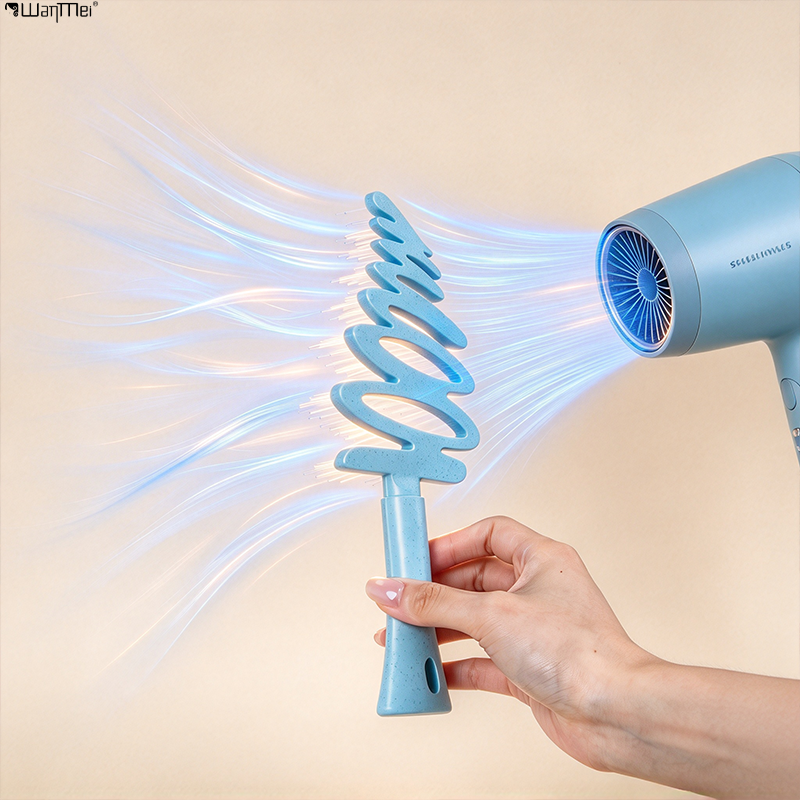
Now let’s break down safe and high-risk materials for hair combs. BPA-free food-grade PP plastic is one of the most popular safe options for kids’ combs. It is lightweight, shatter-resistant, easy to sanitize and affordable. High-quality PP combs avoid recycled mixed plastic feedstock, which is the main source of unexpected heavy metal contamination. Wheat straw composite is another rising eco-friendly choice; blended with food-grade PP, it cuts plastic use and works well for cute custom kids comb lines. However, buyers need to confirm the binding agent is REACH-compliant, as low-grade wheat straw products may use unregulated glue.
Solid bamboo and natural hardwood are top picks for zero-static daily and baby combs. FSC-certified bamboo is naturally smooth, gentle on sensitive scalps and biodegradable. The critical safety check here is surface treatment: only water-based, non-toxic varnish is acceptable. Unsealed raw bamboo can splinter, while cheap paint and stain contain lead and solvent residue that rub off onto the scalp. Cellulose acetate is a premium daily comb material favored by salons. It is hypoallergenic, flexible and anti-static, but brands must verify no harmful plasticizers are added during extrusion, since poor-quality acetate may release irritants with heat and friction.
Materials you should avoid for kids’ combs include unmarked recycled PVC, low-grade hard plastic with strong chemical smell, and unknown alloy decorations. PVC usually carries high phthalate risks, while bright, cheap printed coatings often fail heavy metal tests. Even for adult daily combs, these materials can cause itchy scalp and contact dermatitis after long-term contact.
Safety standards are not only about raw materials. Finishing quality is part of the safety system. Safe combs have fully rounded teeth tips without burrs, stable printing ink that does not peel off, and solid structure that does not break into tiny fragments. For custom private-label orders, responsible manufacturers will provide MSDS, test reports and compliance documents together with samples instead of only promising “non-toxic” verbally. Many brands make the mistake of checking samples only visually, skipping lab testing, and end up facing customs holds or product recalls.
For brand buyers, here is a practical checklist. First, clarify your target market and matching certification list before production. Second, confirm raw material batches and ask for batch test reports, not just one-time certificates. Third, arrange third-party testing after color printing and surface finishing, because paint and logos are common failure points. Fourth, separate kids’ comb stock from adult comb production lines to avoid cross-contamination.
Consumers and brands today are more aware of invisible chemical risks than ever before. A comb that glides smoothly and looks beautiful means little if it fails material safety standards. Whether you are sourcing gentle baby combs, salon daily styling combs or custom private-label kids sets, prioritizing certified safe materials protects end users and builds long-term brand credibility. Safety compliance is not an extra cost; it is the foundation of sustainable hair care product business.