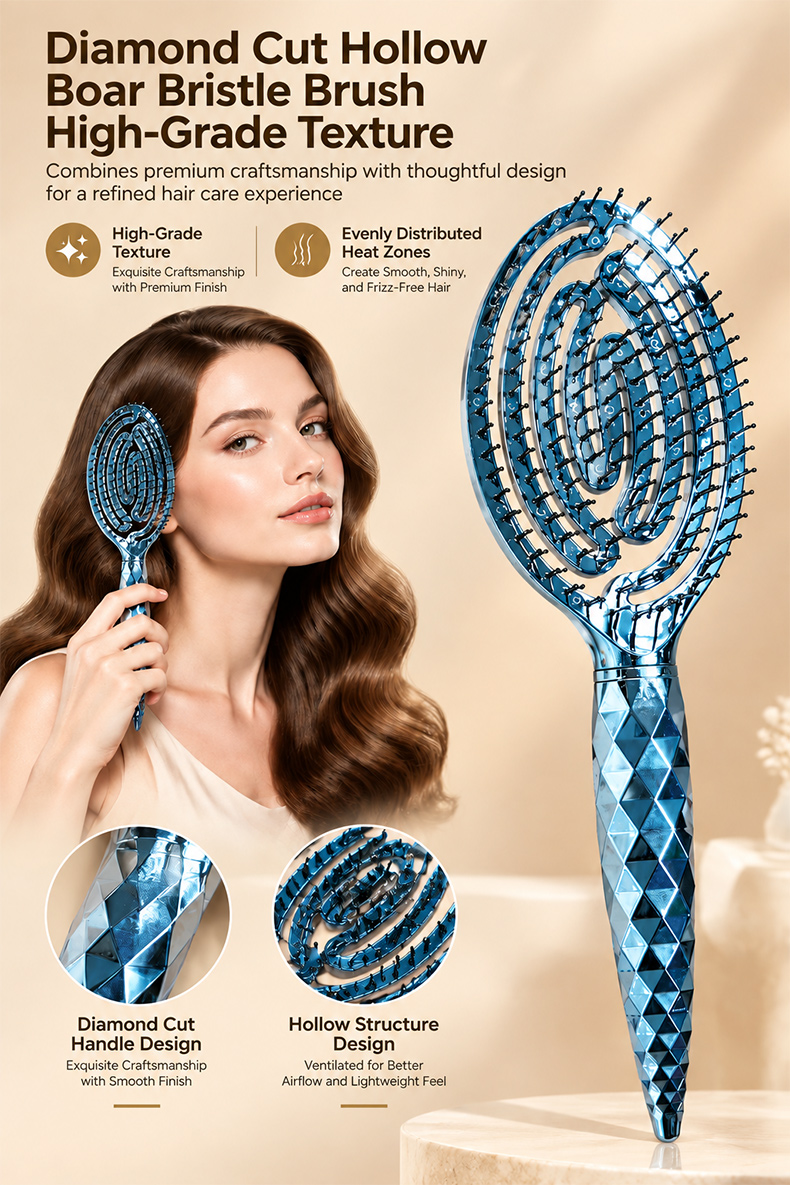
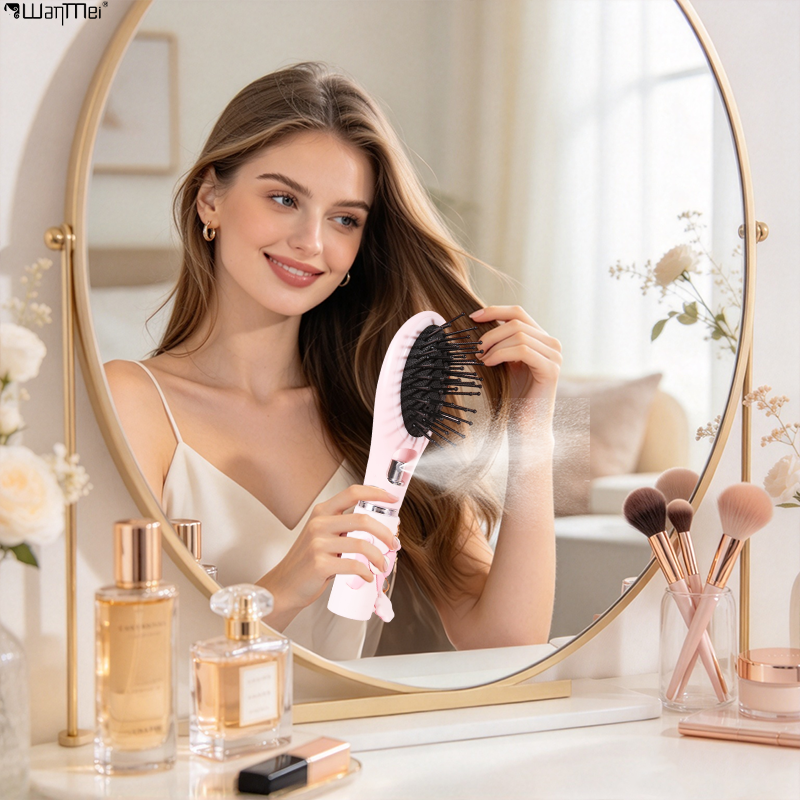
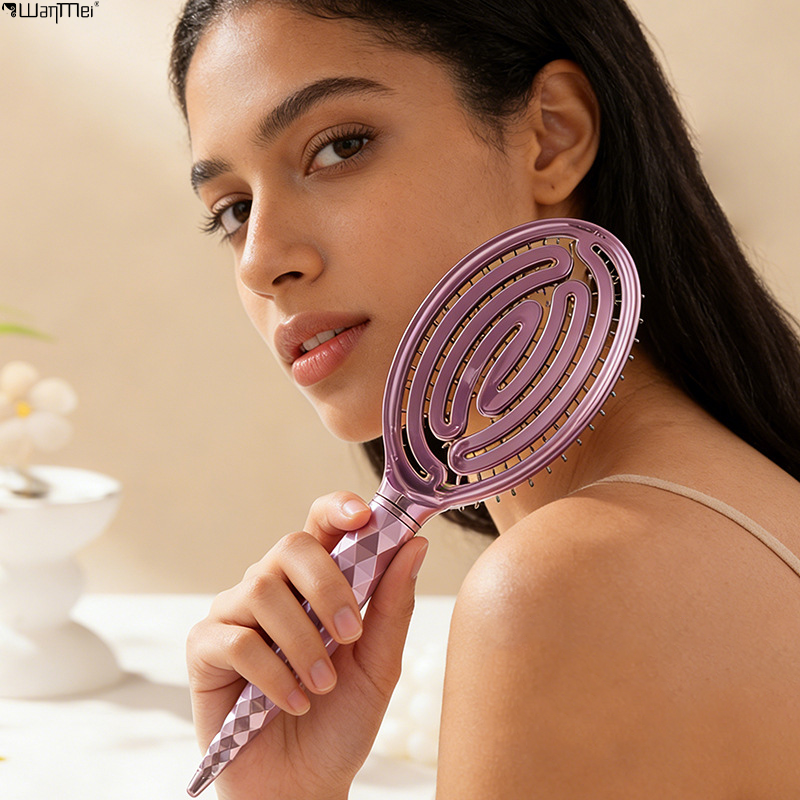
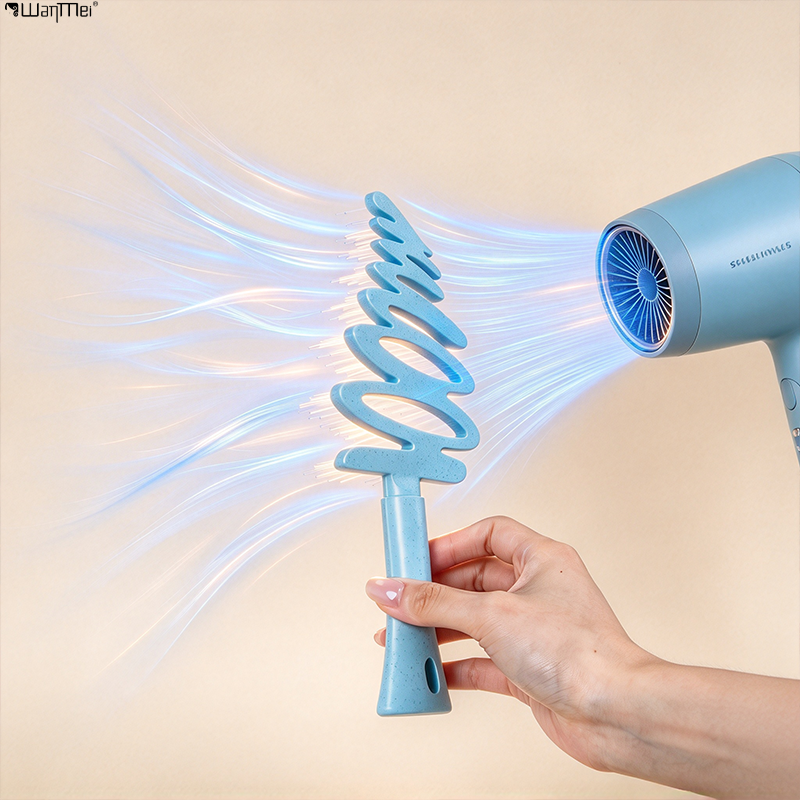
you run a hair care brand, salon supply shop, or e-commerce store, sourcing high-quality hair combs from China can lower your costs and expand your product line. However, many buyers struggle to separate genuine factories from trading companies, unreliable vendors, and suppliers that cut corners on materials. Knowing how to screen, verify, and test hair comb manufacturers in China protects your brand reputation, avoids product recalls, and builds stable long-term supply partnerships. This guide walks you through every key step to find a trustworthy hair comb factory for OEM, ODM, and private label orders.
Start by Defining Your Exact Product Requirements
Before searching for suppliers, clarify your product specifications, target market, and order goals. This filters out factories that cannot meet your needs. Ask yourself: What comb types do you need? Wooden combs, horn combs, plastic detangling combs, kids’ soft combs, or salon wide-tooth combs? What materials will you use? Bamboo, natural wood, PP, ABS, or eco-friendly biodegradable materials.
You should also confirm customization needs: custom logo printing, laser engraving, custom packaging, special tooth rounding for sensitive scalps, and color matching. Define your target market compliance rules too. For the US market, hair combs for children need to meet CPSIA safety standards. EU sales require REACH and phthalate-free test reports. ISO 9001 certification is a baseline mark for consistent quality management. Also set your MOQ (minimum order quantity), lead time, and budget. Many new buyers make the mistake of contacting factories without clear specs, leading to miscommunication and delayed samples.
Where to Search for Real Hair Comb Manufacturers in China
The most popular channels for finding Chinese hair comb suppliers are B2B online platforms and offline trade shows. Alibaba, Made-in-China, and Global Sources host thousands of beauty tool suppliers. Focus on “Verified Manufacturer” tags, not gold supplier badges alone. Many listed suppliers are trading companies that outsource production, which adds extra costs and quality risks.
Trade shows are another excellent option. Canton Fair in Guangzhou and Beauty Expo events let you touch comb samples, talk directly with factory managers, and check product craftsmanship face to face. You can also search for specialized industrial clusters. Many hair comb and hair tool factories are concentrated in regions with mature supply chains, with decades of experience producing hair combs for global brands.
Tell the Difference Between Real Factories and Trading Companies
This is one of the most critical checks. Trading companies act as middlemen; they do not own production workshops or equipment. While some traders are professional, they cannot control production details or quickly adjust custom orders.
Ask these questions to verify: Can they offer a live video tour of the production floor, molding machines, polishing workshops, and QC inspection area? Can they provide business registration documents with a factory address matching the workshop location? Do they handle in-house processes, such as cutting, polishing, logo engraving, and packaging, or outsource all work?
A genuine hair comb manufacturer will show raw material stock, production lines, and in-house quality control procedures. If a supplier only sends stock photos and cannot arrange live factory visits, treat it as a red flag.
Check Certifications and Third-Party Material Test Reports
A trustworthy hair comb manufacturer must provide valid, up-to-date compliance documents. Generic certificates are useless if they do not cover the exact comb materials you plan to order. Key documents to request include ISO 9001 quality management certification, SGS or Intertek lab test reports confirming no lead, formaldehyde, or phthalates. For children’s combs, request CPSIA and heavy metal test reports. For wooden and bamboo combs, ask for FSC sustainable wood certification if you market eco-friendly products.
Do not accept only screenshot copies. Cross-check the report number with the testing laboratory to confirm authenticity. Low-quality plastic combs often contain harmful additives. If you sell to consumers, non-compliant products can result in customs seizures and product recalls that damage your brand permanently.
Order Samples and Perform Strict Quality Testing
Never place bulk orders before sample validation. Request pre-production samples matching your final specifications, including custom logos, surface finishing, and comb tooth smoothness. Inspect samples carefully: check for sharp edges, burrs, uneven polishing, fading printing, strange odors, and material defects.
Test samples in real usage scenarios. Run durability tests, check if the logo scratches off easily, and verify that comb teeth do not snap under normal force. For kids’ combs, extra safety testing matters to ensure no sharp points. Compare samples from 3 to 5 shortlisted manufacturers side by side. Low pricing often comes with poor material quality. A slightly higher price from a reliable factory saves you from costly rework and customer complaints later.
Audit Production, QC Process and Communication
Reliable hair comb factories follow structured quality control at every production stage: incoming raw material inspection, mid-production checks, and pre-shipment inspection. Ask suppliers about their QC workflow. Professional factories assign dedicated inspectors to check each batch before packing.
Communication is another big factor. Look for manufacturers with responsive sales teams who answer technical questions clearly and provide honest timelines. Avoid suppliers who only promise the lowest price and agree to every request without asking detailed questions about your product standards. Good factories will point out design risks, recommend better materials, and suggest improvements for your custom combs.
If you cannot travel to China, book a virtual factory audit via live video. For large orders, hire a third-party inspection company like SGS or QIMA to conduct on-site factory audits and pre-shipment inspections.
Negotiate Terms and Build Long-Term Cooperation
Once you select your manufacturer, sign a formal sales contract. The contract should clearly state product specifications, sample standard, material requirements, QC rules, delivery time, payment terms, and liability for defective goods. Confirm intellectual property clauses if you create exclusive custom comb designs, to avoid design copying risks.
Start with a small trial order first, instead of a huge bulk shipment. Trial orders help you test lead time, product consistency, packaging quality, and after-sales service. After successful trial runs, you can gradually increase order volumes. Most experienced Chinese hair comb factories offer better pricing and priority production for repeat, long-term clients.
Final Thoughts
Sourcing hair combs from China brings great opportunities, but success depends on careful supplier vetting. Focus on real manufacturing capability, verified safety certifications, sample quality, and transparent communication rather than chasing the cheapest price. By following these steps, you can find a stable, trustworthy hair comb manufacturer that delivers safe, well-made custom combs matching your brand standards.