Choosing the right comb might seem like a simple task, but it’s one of the most overlooked steps in a healthy hair care routine. The wrong comb can cause breakage, frizz, scalp irritation, and even damage your hair’s natural texture over time. Every hair type—from fine and straight to thick and curly—has unique needs, and matching your comb to those needs can transform how your hair looks and feels. In this guide, we’ll break down exactly how to choose the perfect comb for your hair type, with expert tips, product recommendations, and common mistakes to avoid.
Why the Right Comb Matters
Many people invest in expensive shampoos, conditioners, and hair treatments but neglect the tools they use daily. A high-quality comb does more than just detangle hair—it distributes your scalp’s natural oils evenly, stimulates blood circulation, minimizes static, and protects your hair cuticles from damage. Using the wrong comb, on the other hand, can lead to split ends, excessive shedding, and frizzy, unruly hair. The key is to match the comb’s design, material, and tooth spacing to your hair’s texture, thickness, and length.
Step 1: Identify Your Hair Type
Before choosing a comb, you first need to determine your hair type. Here’s a quick breakdown of the most common types and their core needs:
- Fine & Straight Hair: Thin strands, prone to oiliness, flatness, and breakage. Needs a comb that adds volume without pulling.
- Thick & Straight Hair: Dense strands, less prone to breakage but can be frizzy. Needs a comb that detangles efficiently and smooths hair.
- Curly & Wavy Hair: Prone to tangles, dryness, and frizz. Needs a comb that preserves curl shape and minimizes breakage.
- Coarse & Kinky Hair: Thick, tightly coiled strands, extremely dry and fragile. Needs a comb that detangles gently and distributes moisture.
- Damaged & Chemically Treated Hair: Weakened strands from coloring, perming, or heat styling. Needs a gentle, non-abrasive comb.
Step 2: Choose the Right Comb Type for Your Hair
Now that you know your hair type, let’s match it to the best comb styles. We’ve tested the most popular options to help you make the right choice:
1. Wide-Tooth Comb: Best for Curly, Coarse, or Wet Hair
Wide-tooth combs have spaced-out teeth that glide through hair without tugging or breaking strands—making them ideal for curly, wavy, or coarse hair types. They’re also perfect for detangling wet hair, which is 30% more fragile than dry hair. The wide spacing prevents disruption of curl clumps and helps distribute conditioner evenly during washes.
Best for: Curly, wavy, coarse, or long hair; detangling wet hair. Material Tip: Opt for a wooden or horn wide-tooth comb to reduce static and add a touch of nourishment.
2. Fine-Tooth Comb: Best for Fine, Straight, or Short Hair
Fine-tooth combs have closely spaced teeth that smooth hair, create precise parts, and add a polished look—perfect for fine, straight hair or short styles like bobs or pixie cuts. They’re also great for styling updos or braids, as they help control every strand.
Best for: Fine, straight, or short hair; styling and parting. Warning: Avoid using fine-tooth combs on curly or wet hair—they can cause breakage and frizz by pulling strands too tightly.
3. Boar Bristle Brush: Best for Fine to Medium Hair
Boar bristle brushes (or combs) are a classic choice for fine to medium hair. The natural bristles are gentle on the scalp and hair cuticles, and they help distribute your scalp’s natural oils (sebum) from roots to ends—nourishing dry strands and adding shine. They also reduce static and frizz, making them great for daily use.
Best for: Fine to medium, straight or slightly wavy hair; adding shine and reducing frizz. Pro Tip: Look for brushes with a mix of boar bristles and nylon for extra detangling power.
4. Detangling Comb: Best for Damaged or Tangled Hair
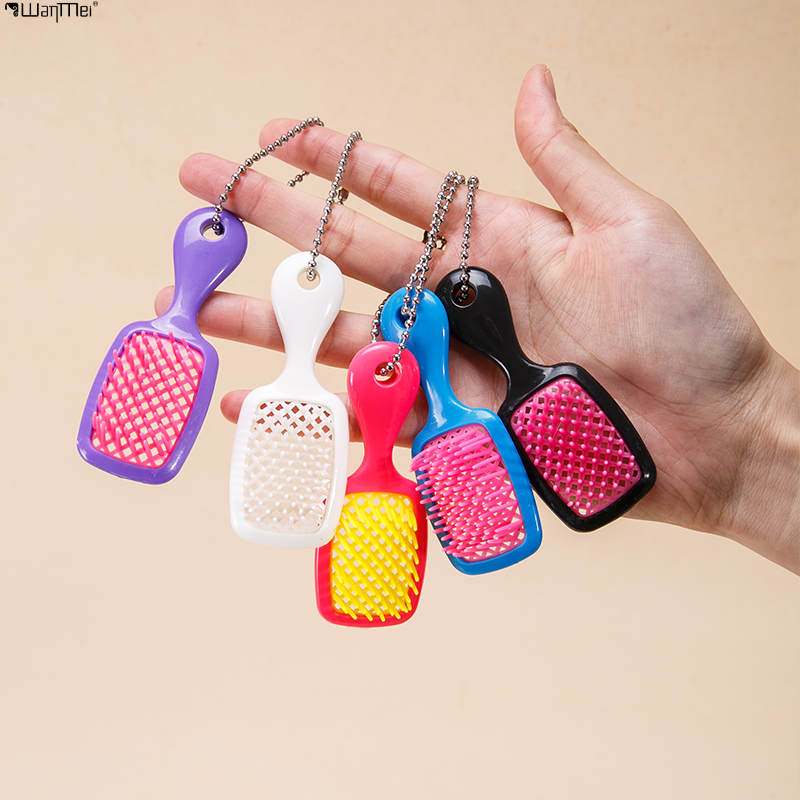
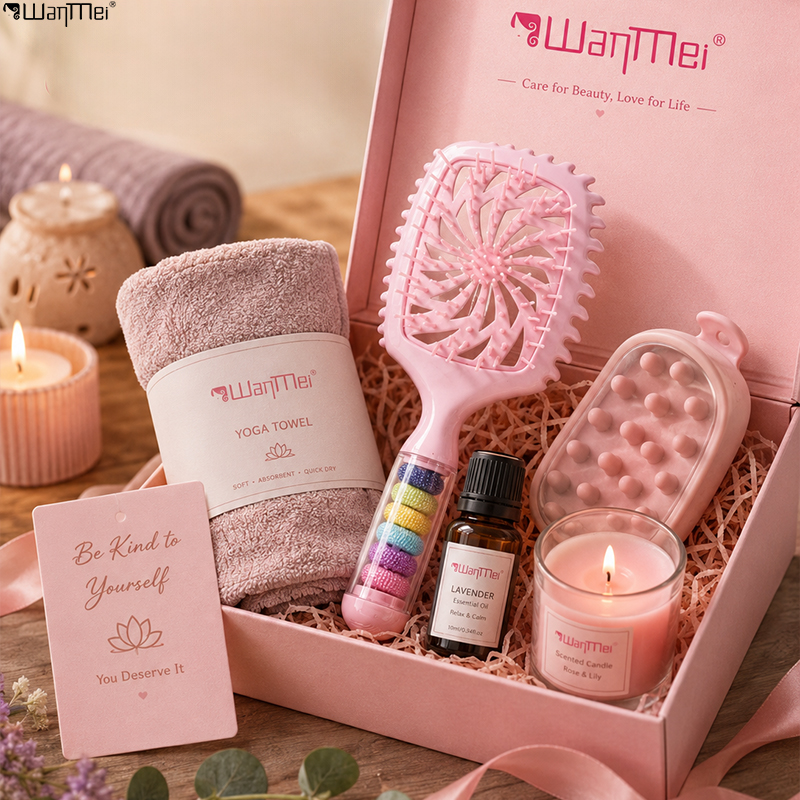
Detangling combs are specially designed with flexible, rounded teeth that glide through knots without pulling or breaking hair. They’re perfect for damaged, chemically treated, or extremely tangled hair, as well as curly or coily hair types that are prone to snags. Many detangling combs have a two-tier design to tackle tough knots gently.
Best for: Damaged, chemically treated, curly, or extremely tangled hair. Bonus: Use a detangling comb with a leave-in conditioner for even better results.
5. Paddle Brush: Best for Thick, Straight Hair
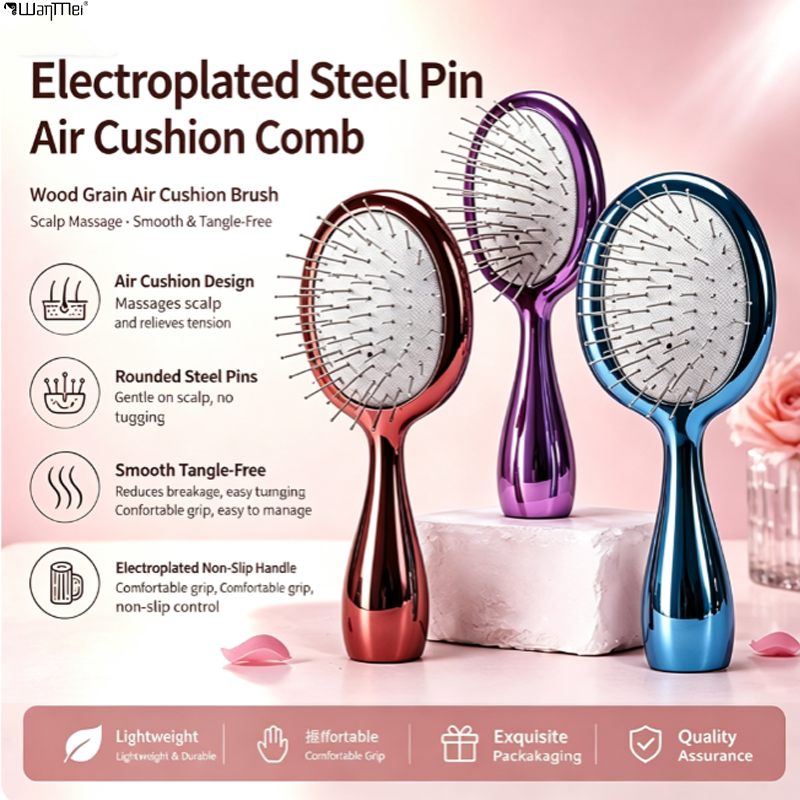
Paddle brushes have a wide, flat surface with densely packed bristles that cover large sections of hair at once. They’re ideal for thick, straight hair, as they detangle efficiently and smooth hair without causing frizz. Many paddle brushes also have a cushion base that massages the scalp and reduces tension.
Best for: Thick, straight hair; daily detangling and smoothing.
Key Comb Material Tips (Avoid These Mistakes!)
The material of your comb is just as important as its design. Here’s what to choose and what to avoid:
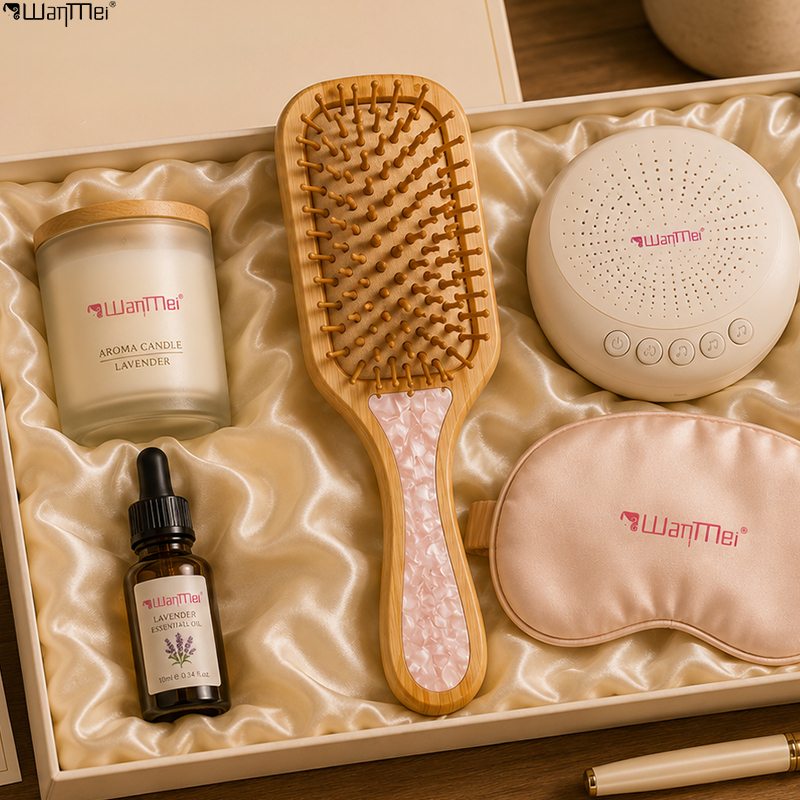
- Wooden Combs: Best for all hair types—reduce static, nourish hair, and are gentle on the scalp. Look for sandalwood, peach wood, or boxwood for extra benefits.
- Horn Combs: Great for scalp health—contain natural oils that nourish hair and promote blood circulation. Ideal for sensitive scalps.
- Plastic Combs: Avoid cheap plastic combs—they cause static, have rough edges that damage hair, and can irritate the scalp. If you choose plastic, opt for high-quality, polished options.
- Metal Combs: Only use for styling (e.g., creating parts)—they’re too harsh for daily detangling and can cause breakage.
Final Expert Tips for Healthy Hair
- Always detangle from the ends up—start at the bottom of your hair and work your way up to the roots to avoid pulling.
- Avoid combing wet hair with fine-tooth combs or bristle brushes—stick to wide-tooth or detangling combs.
- Clean your comb regularly to remove hair, oil, and product buildup—this prevents scalp irritation and keeps your hair clean.
- Invest in a high-quality comb—they last longer, are gentler on your hair, and provide better results than cheap alternatives.
Choosing the right comb for your hair type doesn’t have to be complicated. By identifying your hair’s unique needs and matching them to the right comb style and material, you can reduce breakage, minimize frizz, and keep your hair healthy and shiny. Remember: a good comb is an investment in your hair’s long-term health—one that pays off every time you style.