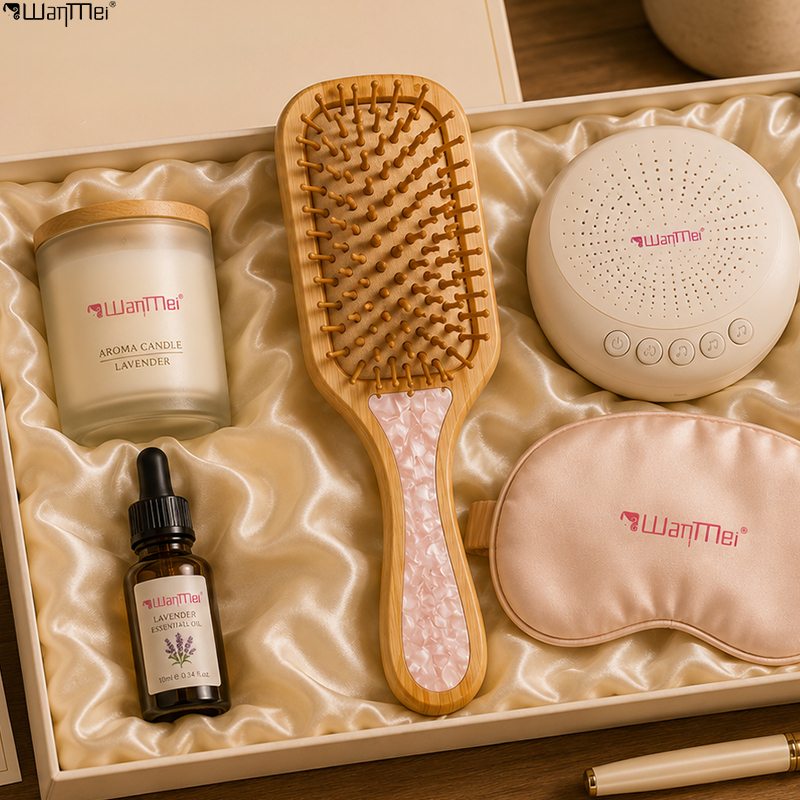
Wooden combs have become a staple in hair care routines worldwide, thanks to their anti-static properties, ability to distribute natural scalp oils, and gentle detangling power that reduces hair breakage. Unlike plastic combs that can withstand harsh cleaning, wooden combs are porous and moisture-sensitive—making improper care the leading cause of cracking, warping, and premature replacement. With the right cleaning techniques and maintenance habits, a high-quality wooden comb can last 5+ years, continuing to nourish your hair and scalp while maintaining its natural charm. In this guide, we’ll walk you through step-by-step methods to clean your wooden comb safely, avoid common mistakes, and extend its lifespan.
Why Proper Cleaning Matters for Your Wooden Comb (and Scalp)
Many people overlook the importance of cleaning their wooden combs, but neglecting this task harms both the tool and your scalp. Over time, hair strands, dead skin cells, scalp oil (sebum), and hair product residue (like hairspray, conditioner, or styling wax) accumulate between the comb teeth. This buildup doesn’t just cause unpleasant odors—it creates a breeding ground for bacteria and fungi that can irritate your scalp, leading to dandruff, itching, or even infections.
For the comb itself, trapped moisture and residue weaken the wood fibers, causing them to expand and contract with changes in humidity. This repeated cycle leads to cracking, warping, and a dull, rough surface that can damage your hair instead of nourishing it. Proper cleaning isn’t just about keeping your comb looking new—it’s about protecting your scalp health and maximizing the tool’s longevity.
What You’ll Need (Simple, Household Items)
Cleaning a wooden comb doesn’t require expensive products—you probably have everything you need at home. Gather these supplies before you start:
- Lukewarm water (not hot—hot water opens wood pores and causes damage)
- Mild, fragrance-free cleanser (baby shampoo, natural dish soap, or castile soap work best)
- Soft-bristled old toothbrush or nail brush (avoid hard bristles that scratch the wood)
- Microfiber cloth or clean towel (highly absorbent for drying)
- Wooden toothpick or orange wood stick (for removing stubborn debris)
- Optional: Jojoba oil, mineral oil, or beeswax polish (for conditioning the wood)
Step-by-Step Guide to Cleaning Your Wooden Comb
The golden rule for cleaning wooden combs: Never soak them in water. Submerging wood in water for even a few minutes causes swelling, warping, and cracking—irreversible damage that shortens the comb’s life drastically. Follow these gentle steps for safe, effective cleaning.
Step 1: Remove Loose Debris First
Before using any liquid, start with a dry clean to remove loose hair and lint. Use your fingers to pull out tangled hair strands from between the comb teeth. For stubborn lint or debris stuck at the base of the teeth, use a wooden toothpick or orange wood stick to gently dislodge it—avoid sharp metal tools that can scratch the wood surface. This step reduces the amount of grime you’ll need to clean with water, minimizing moisture exposure.
Step 2: Prepare a Gentle Cleaning Solution
Fill a small bowl with lukewarm water and add 2-3 drops of mild cleanser. Stir gently until slightly sudsy—avoid heavy lather, as excess soap can leave residue on the wood. For extra disinfection (great for combating odors or bacteria), add 1 teaspoon of white vinegar to the solution. Vinegar kills mold spores and bacteria without damaging the wood’s finish.
Step 3: Spot-Clean Gently
Dip your soft-bristled brush or microfiber cloth into the cleaning solution, then wring it out thoroughly— it should be damp, not dripping. Gently scrub the comb teeth and body in circular motions, focusing on the gaps between teeth where residue builds up. For stubborn oil or product buildup, use a cotton swab dipped in the solution to target hard-to-reach areas. Avoid scrubbing too hard, as this can scratch the wood and remove its protective finish.
Step 4: Rinse and Dry Immediately
After cleaning, dampen a clean microfiber cloth with lukewarm water and wipe down the entire comb to remove any soap residue—do not hold the comb under running water, as this exposes it to excess moisture. Next, use a dry towel to pat every part of the comb dry, paying special attention to the base of the teeth and the comb’s edges where moisture likes to collect.
For proper air-drying, stand the comb on its edge (teeth facing sideways) in a well-ventilated area away from direct sunlight, radiators, or hair dryers. High heat and direct sunlight dry out the wood, causing it to crack and fade. Allow the comb to air-dry completely—this takes 12-24 hours—before using or storing it.
Pro Tips to Extend Your Wooden Comb’s Life
Cleaning is only half the battle—proper maintenance ensures your wooden comb stays in top condition for years. Follow these tips to maximize its lifespan:
- Condition the wood regularly: Every 2-4 weeks, after the comb is fully dry, apply a drop of jojoba oil, mineral oil, or beeswax polish to a soft cloth and wipe the entire comb. This nourishes the wood, prevents drying and cracking, and restores its natural shine. Avoid using heavy oils (like coconut oil) that can leave a greasy residue on your hair.
- Store it properly: Keep your wooden comb in a dry, well-ventilated place—avoid the bathroom, which is humid and promotes mold growth. Use a comb sleeve, drawer, or closed container to protect it from dust and moisture. Never store it near heat sources (like hair dryers) or in direct sunlight.
- Clean regularly (adjust based on use): If you have oily hair or use styling products daily, clean your comb once a week. For normal or dry hair, every 2 weeks is sufficient. Always remove loose hair after each use to prevent buildup from hardening.
- Avoid harsh chemicals: Never use bleach, alcohol (undiluted), or strong detergents on your wooden comb—these strip the wood’s natural oils and cause discoloration, cracking, or warping.
Common Mistakes to Avoid
Even with good intentions, small mistakes can damage your wooden comb. Steer clear of these pitfalls:
- Soaking the comb in water (the #1 cause of warping and cracking)
- Using hot water or hard-bristled brushes (scratches the wood and opens pores)
- Drying with a hair dryer or placing near heat sources (dries out the wood)
- Skipping the conditioning step (leads to dry, brittle wood)
- Storing in humid environments (promotes mold and warping)
When to Replace Your Wooden Comb
With proper care, a wooden comb can last for years, but it won’t last forever. Look for these signs that it’s time to replace your comb: deep cracks, warping that makes it hard to use, loose or broken teeth, or persistent odors that won’t go away even after cleaning. A worn-out comb can damage your hair and harbor bacteria, so don’t hesitate to replace it when needed.
Final Thoughts
A wooden comb is more than just a hair tool—it’s an investment in your hair and scalp health. By following these simple cleaning and maintenance steps, you can keep your comb in excellent condition, extend its life, and continue to enjoy its benefits for years to come. Remember: gentle care is key—treat your wooden comb with the same attention you give your hair, and it will repay you with smooth, healthy locks.
Whether you have a sandalwood, bamboo, or peach wood comb, these methods work for all wooden comb types. Make cleaning and conditioning a regular part of your hair care routine, and you’ll never have to replace your favorite wooden comb prematurely again.